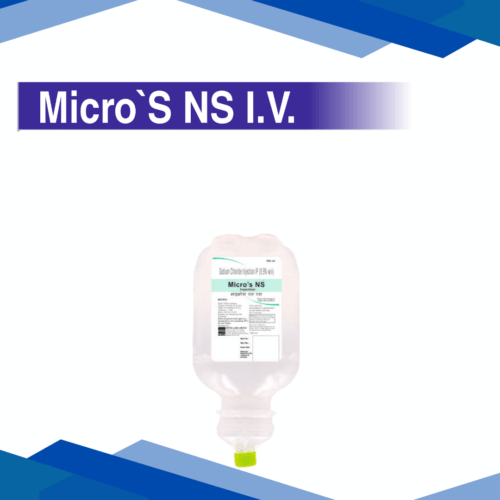




Biochem’s NS
No Prescription yet? Don’t worry! Click Here to Get Online Consultation
Sodium chloride (NaCl) is used to restore lost fluids and electrolytes, clean wounds, and dilute medications for injection.
Sodium Chloride
Normal Saline (Sodium Chloride)
Sodium Chloride is an essential electrolyte supplement that restores salt and water balance in the body. In healthcare settings, it is most commonly administered IV as Normal Saline (0.9%) to treat dehydration, intranasally as a decongestant, or drops in the eyes to clean out irritants. It is important in maintaining osmotic pressure and nerve-muscle functions.
Major Medical Forms
Pens: Also used for another drug and to replace fluid.
Nasal Drops/Spray: Pseudo-ephedrine for relief from dry or congested nasal passages.
Ophthalmic Solution: Eye irrigation or for reducting swelling of cornea.
Oral: Sodium chloride tablets are used for specific electrolyte deficiencies or "salt-wasting" conditions.
Main Benefits
Rapid Rehydration: Quickly restores fluid volume due to heatstroke or diarrhea. Flowers for free.
Amascus: Water-thinning in the nose to relieve breathing.
Electrolyte Balance: Essential to maintain the proper levels of alkalinity and acidity (pH) of the blood.
How to Use
For the Nose: Lean the head backwards and squeeze the number of drops instructed into each nostril. Avoid touching the dropper tip to the inside of the nose. This is to prevent contamination.
As IV Infusion: This should be given only in a hospital or clinic by a professional health worker.
For the Eyes: Rinse the eyes gently with the sterile solution when necessary.
Side Effects and Cautions
Although Sodium Chloride is found naturally in the human body, it can occasionally be red or irritating at the site (IV) upon administration, with sneezing being a common side effect (Nasal spray) and administered in large quantities may cause edema or fluid volume overload, raise your blood pressure.
Caution: Patients with congestive heart failure, severe kidney disease, or high blood pressure (hypertension) should use sodium chloride supplements only under strict medical supervision.
Frequently Asked Questions (FAQs)
Q: Is "Normal Saline" just salt water?
Though it comprises sodium chloride and water, "Normal Saline" (0.9%) is created to match the salt concentration in human blood and tears. As such, it is "isotonic," which implies the solution will not burn or disturb cells like homemade salt water will.
Q: Can I give Sodium Chloride nasal drops to my baby?
Saline nasal drops are typically the swiftest and least dangerous decongestion remedy for infants, given that there is no harsh decongestant-based chemical. Go for the products manufactured particularly for use in children of that specific age of yours.
Q: Why was I put on Sodium Chloride tablets?
They are typically prescribed to address "hyponatremia" (that is, low sodium levels in blood) that could result from intensive sweating, certain medications, or certain imbalances of the hormones.
Q: Is there a risk of "salt overdose"?
Higher-volume infusion of sodium chloride can give rise to hypernatremia in a clinical instance; symptoms are thirst, mental cloudness, and fluid retention. This does include medical oversight on one's electrolyte levels throughout therapy.
Q: Can I use saline to wash the lenses of my contact glasses?
You can use saline solution to rinse commercially prepared and disinfected contact lenses, though it is not possible to kill off bacteria or viruses. It should be used merely as a supplementary cleaning step by rinsing the impurities from the lens after utilizing proper disinfection solutions.
At Gem Pharmacy, we make every effort to provide accurate, expert-written, and thoroughly reviewed information related to medicines. However, this information should not be considered a substitute for professional medical advice, diagnosis, or treatment from a qualified doctor.
The purpose of this information is to educate users and improve communication between patients and healthcare professionals. It should not be used to diagnose or treat any condition.
Always consult a certified healthcare professional before taking any medication.


Related products