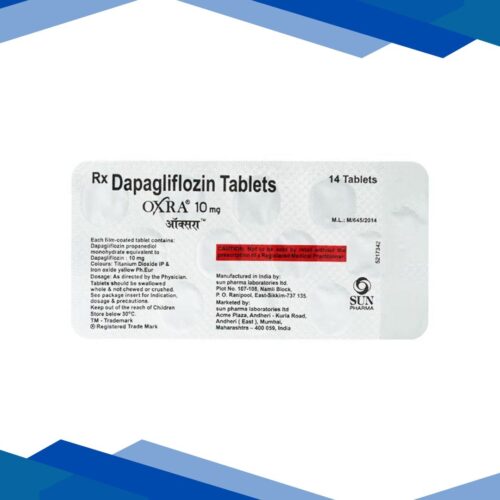
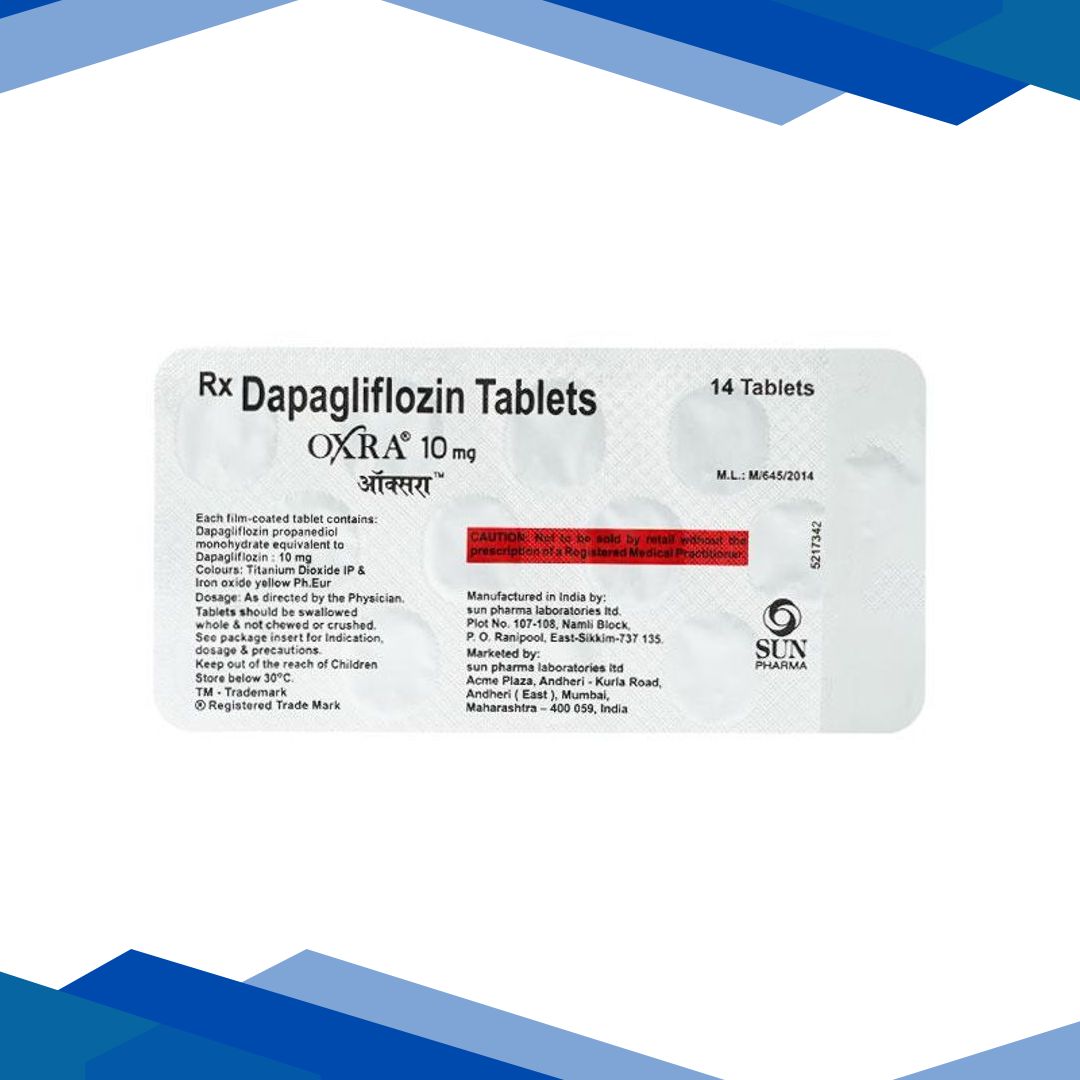
Oxra 10mg Tablet 14’S
No Prescription yet? Don’t worry! Click Here to Get Online Consultation
Oxra 10mg Tablet is an oral medication used to manage type 2 diabetes, as well as certain cases of heart failure and chronic kidney disease. It belongs to the SGLT2 inhibitor class and works by helping the kidneys remove excess glucose from the body through urine, thereby lowering blood sugar levels. In addition to improving glycemic control, it may also support weight loss and reduce blood pressure. This medicine is typically prescribed as part of a comprehensive treatment plan that includes a healthy diet, regular exercise, and routine medical monitoring.
Description
Oxra 10mg Tablet is an oral antidiabetic medication belonging to a class of drugs known as sodium-glucose co-transporter 2 (sglt2) inhibitors. it is widely used in the management of type 2 diabetes mellitus, as well as for certain patients with heart failure and chronic kidney disease. unlike traditional antidiabetic drugs that primarily work by increasing insulin secretion or sensitivity, Oxra 10mg Tablet works independently of insulin. this makes it a valuable therapeutic option, particularly in individuals who have insulin resistance or reduced pancreatic beta-cell function.
the primary mechanism of Oxra 10mg Tablet involves inhibiting the sglt2 proteins located in the proximal tubules of the kidneys. under normal circumstances, these proteins are responsible for reabsorbing glucose from the urine back into the bloodstream. by blocking this process, Oxra 10mg Tablet promotes the excretion of excess glucose through urine, thereby lowering blood glucose levels. this unique mechanism not only improves glycemic control but also contributes to modest weight loss and reduction in blood pressure, which are additional benefits for many patients.
Oxra 10mg Tablet is often prescribed as part of a comprehensive diabetes management plan that includes diet, exercise, and sometimes other medications. it may be used alone or in combination with other oral antidiabetic agents or insulin. beyond diabetes, Oxra 10mg Tablet has gained significant attention for its cardiovascular and renal protective effects. clinical studies have demonstrated that it can reduce the risk of hospitalization for heart failure and slow the progression of kidney disease in certain populations.
this medication is generally intended for adults with type 2 diabetes, though its use has expanded to include patients with heart failure (with reduced or preserved ejection fraction) and chronic kidney disease under medical supervision. however, it is not suitable for individuals with type 1 diabetes or those experiencing diabetic ketoacidosis, as it may increase the risk of serious complications in these conditions.
ingredients
- Oxra 10mg Tablet: the active pharmaceutical ingredient responsible for lowering blood glucose levels. it works by inhibiting sglt2 in the kidneys, leading to increased urinary glucose excretion. this mechanism helps improve glycemic control, reduces body weight, and offers cardiovascular and renal benefits.
- excipients (inactive ingredients): these may include substances such as lactose monohydrate, microcrystalline cellulose, crospovidone, magnesium stearate, and film-coating agents. these components help in tablet formation, stability, and absorption but do not have therapeutic effects.
key uses
- type 2 diabetes mellitus: helps lower elevated blood glucose levels by promoting glucose excretion through urine, improving overall glycemic control.
- heart failure: reduces the risk of hospitalization and improves outcomes in patients with heart failure, regardless of diabetes status.
- chronic kidney disease (ckd): slows the progression of kidney damage and reduces the risk of kidney failure in eligible patients.
- weight management (adjunct benefit): may contribute to modest weight loss due to calorie loss through glucose excretion.
- blood pressure reduction: provides a mild diuretic effect that can help lower blood pressure levels.
how to use
Oxra 10mg Tablet is typically taken orally once daily, with or without food, as directed by a healthcare professional. it is important to take the medication at the same time each day to maintain consistent blood levels and effectiveness. patients should swallow the tablet whole with water and should not crush or chew it unless specifically advised. the medication should be used as part of a broader treatment plan that includes dietary modifications, regular physical activity, and routine blood glucose monitoring.
hydration is particularly important while taking Oxra 10mg Tablet, as the increased urinary glucose excretion can lead to fluid loss. patients should drink adequate fluids unless otherwise restricted by their healthcare provider. regular follow-up appointments are necessary to monitor blood glucose levels, kidney function, and overall treatment response.
safety information
- warnings: Oxra 10mg Tablet may increase the risk of urinary tract infections, genital infections, and dehydration. it can also lead to a rare but serious condition known as diabetic ketoacidosis, even in patients with moderately elevated blood glucose levels. patients should be aware of symptoms such as nausea, vomiting, abdominal pain, and difficulty breathing.
- side effects: common side effects include increased urination, thirst, urinary tract infections, and genital fungal infections. less common but serious side effects may include dehydration, low blood pressure, kidney impairment, and ketoacidosis. in rare cases, severe infections such as necrotizing fasciitis of the perineum (fournier’s gangrene) have been reported.
- precautions: patients with impaired kidney function, a history of recurrent urinary tract infections, or low blood pressure should use this medication cautiously. it is not recommended for individuals with type 1 diabetes or those with a history of diabetic ketoacidosis. elderly patients may be more susceptible to dehydration and should be monitored closely.
- pregnancy/breastfeeding: the safety of Oxra 10mg Tablet during pregnancy has not been well established, and it is generally not recommended, especially during the second and third trimesters. it may also pass into breast milk, so breastfeeding mothers should consult a healthcare professional before use.
- interactions: Oxra 10mg Tablet may interact with diuretics, insulin, and other antidiabetic medications, increasing the risk of dehydration or low blood sugar. alcohol consumption should be limited, as it may increase the risk of dehydration and ketoacidosis. patients should inform their healthcare provider about all medications and supplements they are taking.
additional information
- storage: store Oxra 10mg Tablet tablets at room temperature, away from moisture, heat, and direct sunlight. keep the medication in its original packaging and out of reach of children.
- missed dose: if a dose is missed, it should be taken as soon as remembered. however, if it is close to the time for the next dose, the missed dose should be skipped. do not take a double dose to make up for a missed one.
- overdose: in case of overdose, symptoms may include excessive urination, dehydration, and electrolyte imbalance. immediate medical attention is required if an overdose is suspected.
- habit forming: no, Oxra 10mg Tablet is not habit-forming. it does not cause dependence or addiction.
frequently asked questions
Q: what is Oxra 10mg Tablet used for?
A: Oxra 10mg Tablet is used to manage type 2 diabetes, reduce the risk of heart failure hospitalization, and slow the progression of chronic kidney disease in eligible patients.
Q: how does Oxra 10mg Tablet lower blood sugar?
A: it works by preventing the kidneys from reabsorbing glucose, allowing excess sugar to be excreted through urine.
Q: can Oxra 10mg Tablet be taken with other diabetes medications?
A: yes, it is often used in combination with other antidiabetic drugs, but only under medical supervision.
Q: does Oxra 10mg Tablet cause weight loss?
A: yes, it may lead to modest weight loss due to the loss of calories through glucose excretion.
Q: is Oxra 10mg Tablet safe for kidney disease patients?
A: it can be beneficial in certain cases of chronic kidney disease, but its use depends on kidney function and must be guided by a doctor.
Q: what are the common side effects of Oxra 10mg Tablet?
A: common side effects include increased urination, urinary tract infections, and genital infections.
Q: can Oxra 10mg Tablet cause dehydration?
A: yes, due to increased urination, it can lead to dehydration, especially if fluid intake is inadequate.
Q: is Oxra 10mg Tablet suitable for type 1 diabetes?
A: no, it is not recommended for type 1 diabetes due to the increased risk of diabetic ketoacidosis.
Q: can i drink alcohol while taking Oxra 10mg Tablet?
A: alcohol should be limited as it may increase the risk of dehydration and ketoacidosis.
Q: what should i do if i experience unusual symptoms?
A: seek medical attention immediately if you experience symptoms such as severe abdominal pain, vomiting, or difficulty breathing.
this information is for educational purposes only and should not be considered medical advice. always consult a qualified healthcare professional before use.
At Gem Pharmacy, we make every effort to provide accurate, expert-written, and thoroughly reviewed information related to medicines. However, this information should not be considered a substitute for professional medical advice, diagnosis, or treatment from a qualified doctor.
The purpose of this information is to educate users and improve communication between patients and healthcare professionals. It should not be used to diagnose or treat any condition.
Always consult a certified healthcare professional before taking any medication.


Related products