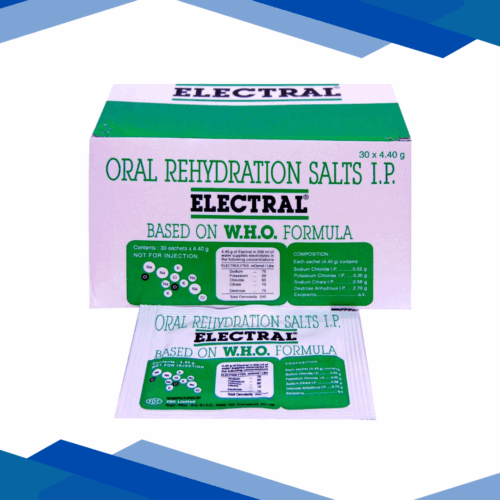


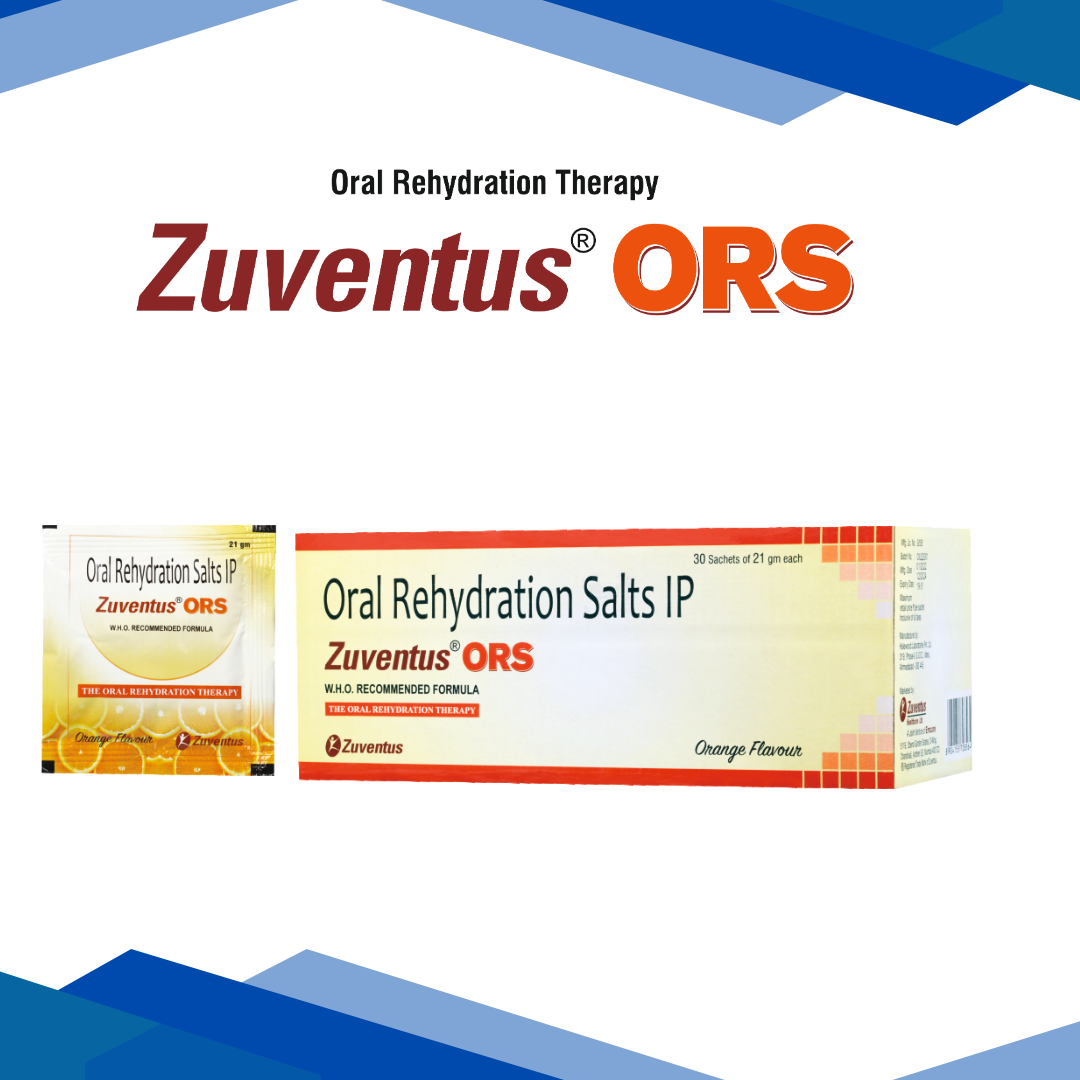
Zuventus ORS
ORS is used to treat and prevent dehydration caused by diarrhea, vomiting, or excessive sweating, especially in children and adults.
Electrolyte
Oral electrolytes are an important tool in treating dehydration and salt supplementation
Electrolytes are minerals that carry an electric charge like Sodium, Potassium, Magnesium, and Chloride. They are the "spark plugs" within the body and are necessary for maintaining the balance of fluids, nerve signaling, and muscle contractions. It is desirable to always keep their levels in check, whether due to heavy sweating, dehydration, or heatwaves, for good health.
Features of the Use of Electrolytes in the Body
Swiftest Rehydration: The pace of correction is quicker than the replacement of fluids with only plain water, as the body loses them from sweating or when afflicted with disease.
Muscle Function: Better control and maintenance of muscle fiber contraction help prevent the occurrence of painful cramps or charley horses.
Energy & Focus: They allow for support of the electrical pulses in your brain, leading to reduced dehydration-related confusion or "fogginess."
Heart Health: They allow for keeping the pronounced rhythm of your heartbeat and maintaining a healthy blood pressure range.
How to Use & Dosage
Powders/Sachets: More often than not, a full sachet is simply stirred into 200 ml to 1 litre of water (see individual product labelling).
Effervescent Tablets: Drop into a glass of water and wait for complete dissolution before drinking.
The Best Time to Use: Using during or after an intense workout session or any time throughout the day when you are recovering from fever or diarrhea.
The Sip Rule: Take a sip and swallow it over 15–20 minutes to achieve maximum absorption efficacy, avoiding bolusing a dose at once.
Key Note
Renal Health: Once diagnosed with chronic kidney disease (CKD) or recommended for a low-potassium diet, please get approval from your physician before going for electrolyte supplements, as excessive potassium can be harmful.
Sugar Aspect: Look at the label, if you have diabetes, as some commercially available rehydration solutions may contain glucose, which can affect the blood sugar level.
Storage: Store sachets in a cool, dry ambient space. Reconstituted solutions are typically drunk on the same day (when refrigerated) or, though not recommended, if kept at room temperature, then on a hourly basis.
Common Signs of Electrolyte Imbalance
Increasing electrolytes might be the right solution when you are faced with:
Dry mouth or severe thirst
Dizziness or lightheadedness
Muscle twitching or weakness
Dark urine
Frequently Asked Questions (FAQs)
Q: Should I be taking electrolytes every day?
A: Yes! In hot environments, it is globally accepted to intake daily electrolytes by both athletes and nonathletes. However, if you are not profusely sweating and losing electrolytes, don't risk it—plain water should be enough. It's not too often, but over-supplementation may cause an "electrolyte overload" in some cases and lead to hypernatremia. Listen to your body a little.
Q: Should electrolytes be ingested before or after exercising?
A: It depends entirely on the duration. For exercise that is short in duration, water works fine. With endurance sports, "pre-loading" can help but water will be pivotal during and after exercise to replace salts lost by perspiration.
Q: Are electrolyte drinks safe for children?
A: All electrolyte drinks are safe for children; however, it is advised that pediatric versions such as ORS (World Health Organization) should be used and checked by a pediatrician to see that the salt-to-sugar ratio is appropriate for use with smaller body mass in children.
Q: Do electrolytes help with hangovers?
A: Alcohol, being a diuretic, means that it tries to rid the body of water and salts; if one needs to have a cure, by rehydrating with electrolyte-enriched fluids, the severity of headaches and the fatigue that set in by the morning can be drastically minimized.
Q: Can I mix my electrolyte powder with juice or soda?
A: It is advised to use only plain water for mixing; mixing with soda or sweet juices can alter the osmolarity of the drink and counter or slow down rehydration or cause stomach upset.
At Gem Pharmacy, we make every effort to provide accurate, expert-written, and thoroughly reviewed information related to medicines. However, this information should not be considered a substitute for professional medical advice, diagnosis, or treatment from a qualified doctor.
The purpose of this information is to educate users and improve communication between patients and healthcare professionals. It should not be used to diagnose or treat any condition.
Always consult a certified healthcare professional before taking any medication.


Related products