



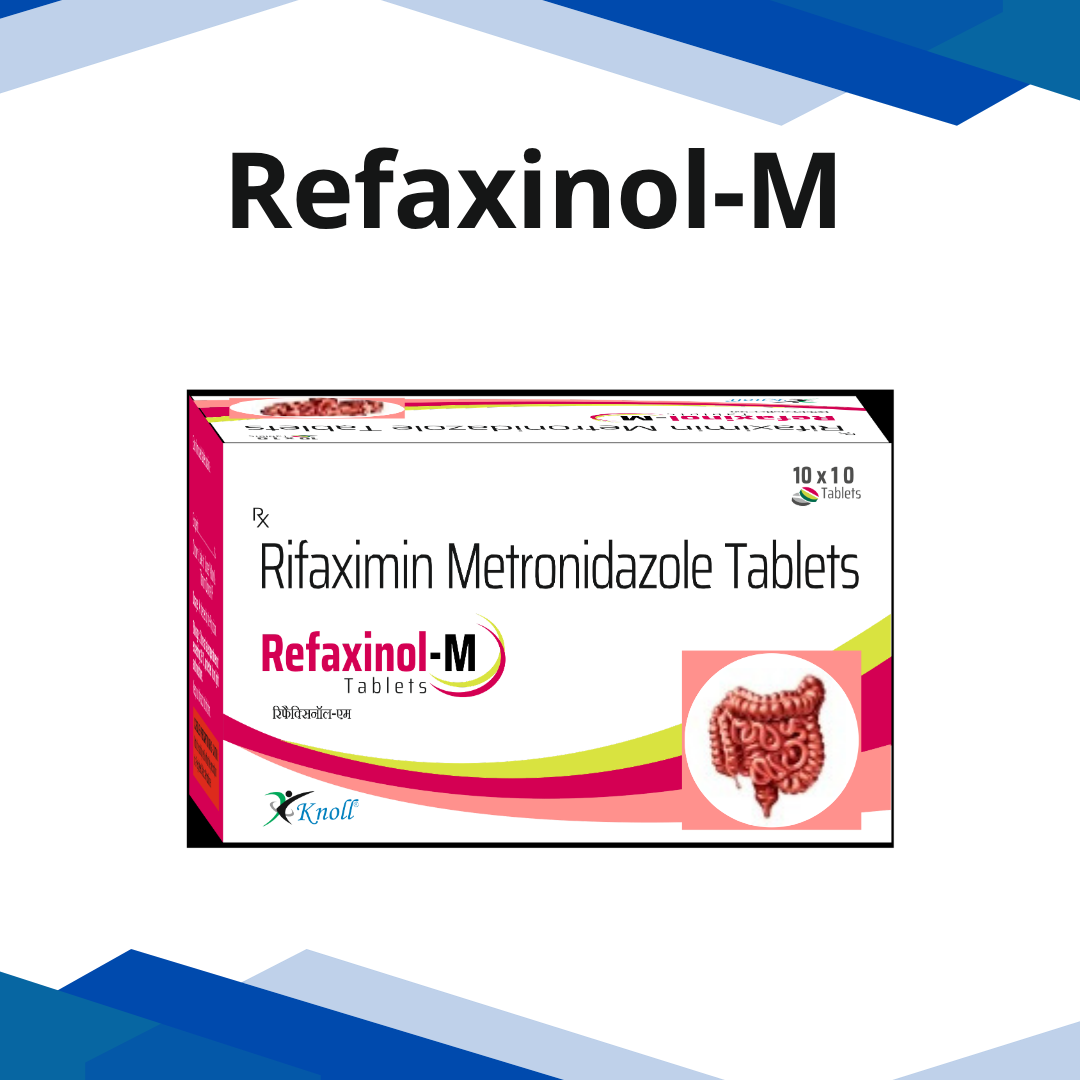
Refaxinol-M
No Prescription yet? Don’t worry! Click Here to Get Online Consultation
Rifaximin is used to treat traveler’s diarrhea that is caused by a bacteria called Escherichia coli. It is also used to prevent hepatic encephalopathy, which is a condition that occurs when your liver does not work normally. This medicine is also used to treat irritable bowel syndrome with diarrhea.For more details kindly click on Medicine Salts below:
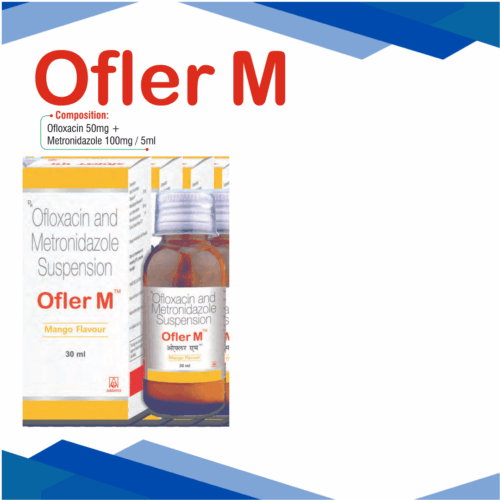
Metronidazole
Metronidazole 400 mg Tablet
Metronidazole is an antibiotic widely marketed under the brand name Flagyl. It is a powerful antiprotozoal agent used to treat infections caused by anaerobic bacteria and parasites such as amoebiasis and giardiasis. It works by entering the DNA of microorganisms, preventing replication and thereby eliminating the infection.
Therapeutic Uses
Bacterial Infections: Used for abdominal, liver, skin, joint, and respiratory tract infections caused by anaerobic bacteria.
GI-Related Disorders: Effective in H. pylori infection and amoebiasis.
Dental Abscess: Used to treat oral bacterial infections, including dental caries-related infections and gingivitis.
Specific Infections: Indicated for bacterial vaginosis and trichomoniasis.
Proper Use
Complete Full Course: Always finish the entire prescribed course even if symptoms improve early. Incomplete use may lead to infection recurrence or antibiotic resistance.
Swallow Whole: Do not crush or chew the tablet.
With Food: Take with a meal, water, or milk to reduce stomach irritation.
Missed Dose: Take as soon as remembered. If it is close to the next dose, skip the missed dose. Do not double dose.
Important Safety Measures
Alcohol Warning: Avoid alcohol completely during treatment and for 48–72 hours after the last dose. It may cause a disulfiram-like reaction including nausea, vomiting, abdominal cramps, headache, and flushing.
Pregnancy & Breastfeeding: Inform your doctor if you are pregnant, especially in the first trimester.
Nerve Health: Long-term use may cause neurological symptoms such as tingling or numbness in limbs. Report any such signs immediately.
Liver Function: Dose adjustment may be required in liver impairment.
Potential Side Effects
Most are mild and temporary:
Metallic taste in mouth
Nausea or abdominal cramps
Loss of appetite
Headache
⚠️ Rare but serious effects may include pancreatic irritation or peptic ulcer complications.
Frequently Asked Questions (FAQs)
Q: Why does my mouth taste like metal?
A: A metallic taste is a common and temporary side effect. It usually resolves within 1–7 days after stopping treatment. Chewing sugar-free gum or mint may help.
Q: Can Metronidazole be used for common cold or flu?
A: No. It is effective only against bacterial and protozoal infections, not viral infections like cold, flu, or COVID-19.
Q: How soon will I feel better?
A: Improvement often occurs within 24–48 hours, but the full course must be completed to ensure complete eradication of infection.
Q: Is it safe to drive while taking this medicine?
A: Generally yes, but avoid driving if you experience dizziness or confusion.
Q: Can I take it with other medications?
A: Metronidazole may interact with warfarin and lithium. Always inform your doctor about all medications and supplements.
Rifaximin
Uses, Side Effects, and Dosage of Rifaximin
Rifaximin is a powerful gastrointestinal selective antibiotic mainly used to treat conditions in the digestive tract. As opposed to classical antibiotics, which freely circulate in the whole system, Rifaximin stays mostly in the gut, attacking bacteria exactly where they are the problem.
Mechanism of Action
Rifaximin is a rifamycin antibiotic. It works by inhibiting bacterial RNA synthesis, and therefore, it stops bacterial growth. As it does not significantly cross the intestinal barrier, this microbiome-friendly agent ensures high local activity with minimal systemic side effects.
According to the Physician (Uses)
Traveler's Diarrhea: Caused by non-invasive strains of Escherichia coli.
Irritable Bowel Syndrome with Diarrhea (IBS-D): Helps to reduce bloating and urgency.
Hepatic Encephalopathy: Used to prevent recurrence of brain function decline in adults with advanced liver disease.
Important Info
Drug Class: Rifamycin Antibiotic
Common Brand Names: Xifaxan, Rcifax
Available Forms: Oral Tablets (200 mg, 400 mg, 550 mg)
Prescription: Yes (Required)
Alcohol Interaction: Generally safe, but consult your doctor
Frequently Asked Questions (FAQs)
Q: Is Rifaximin a "strong" antibiotic?
A: It is highly effective for gastrointestinal infections, but “strength” is subjective. Its key advantage is localized action in the gut, minimizing disruption to beneficial bacteria compared to broad-spectrum antibiotics.
Q: Can I take Rifaximin for a cold or flu?
A: No. Rifaximin works only against bacterial infections of the gut. It is ineffective against viral infections like the common cold, flu, or COVID-19.
Q: What is the expected timeline for efficacy in IBS-D?
A: Most patients notice significant improvement in bloating, gas, and bowel habits within 1–2 weeks. If symptoms persist, consult your doctor for alternative treatment options.
Q: What should I avoid when taking this drug?
A: There are few dietary restrictions, but inform your doctor about medications like cyclosporine. Stay well hydrated, especially when treating diarrhea.
Q: Does Rifaximin cause weight gain?
A: No. Weight gain is not a documented side effect. Some patients may feel less bloated, which can be mistaken for weight changes.
Note
All the above information is intended for educational purposes only and should not be construed as a substitute for professional medical advice. Always consult a qualified healthcare provider before starting any new medication.
At Gem Pharmacy, we make every effort to provide accurate, expert-written, and thoroughly reviewed information related to medicines. However, this information should not be considered a substitute for professional medical advice, diagnosis, or treatment from a qualified doctor.
The purpose of this information is to educate users and improve communication between patients and healthcare professionals. It should not be used to diagnose or treat any condition.
Always consult a certified healthcare professional before taking any medication.


Related products