










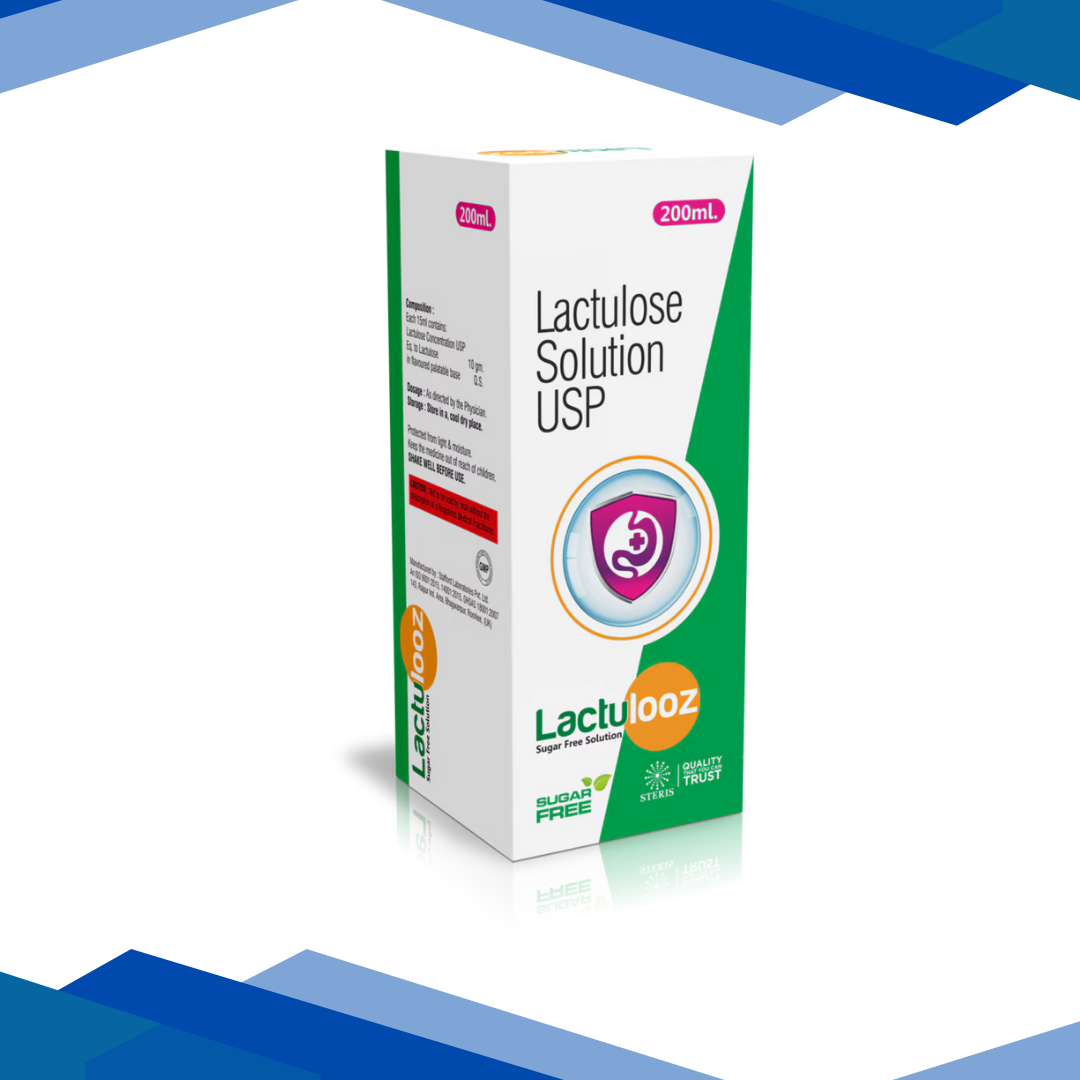
Lactulooz 200
No Prescription yet? Don’t worry! Click Here to Get Online Consultation
Lactulose a sugar-based laxative that draws water into the bowel to soften stools. It is used to treat constipation and reduce ammonia levels in liver disease. For more details kindly click on Medicine Salts below:
Lactulose
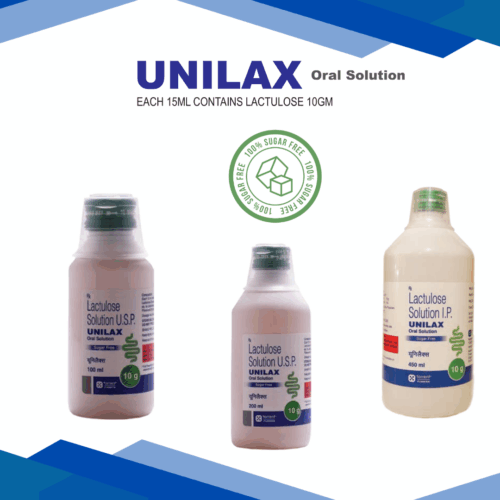
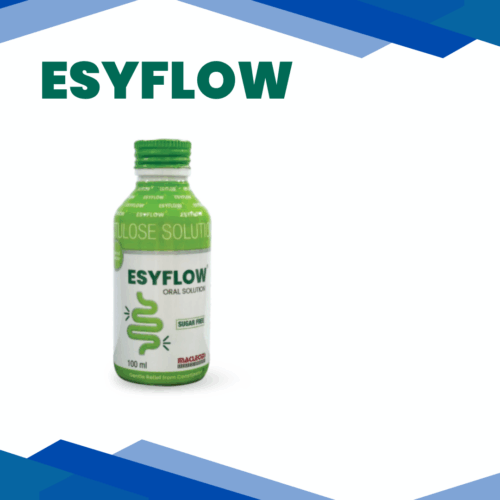
Such Lactulose Oral Solution USP is commercially available.
Lactulose finds its therapeutic use mainly as an osmotic laxative for long-term management of constipation. Furthermore, its importance is seen in the management of liver-related conditions such as hepatic encephalopathy (a brain condition caused by advanced liver disease).
Mechanism of Action
By osmotic action, lactulose draws water into the colon, which softens stools and increases their bulk, thereby promoting peristalsis. It also helps trap ammonia in the gut, reducing its absorption into the bloodstream and preventing its harmful effects on brain function in liver disease.
Principal Benefits
Gentle-acting Laxative: Unlike stimulant laxatives, lactulose is milder and provides predictable relief from constipation.
Chronic Conditions: Used under medical supervision for patients requiring long-term therapy.
Liver Support: Helps reduce blood ammonia levels, improving symptoms of portal-systemic encephalopathy.
Prebiotic Effect: Promotes growth of “good bacteria” (such as Bifidobacterium) in the gastrointestinal tract.
Instructions
When and How: Usually taken once daily for constipation. In liver conditions, dosing may be more frequent (e.g., every 3–4 hours) as prescribed.
Measuring the Dose: Always measure in milliliters (mL) using a calibrated measuring cup or oral syringe. Avoid household spoons.
Mixing: Can be mixed with water, juice, or milk to improve its sweet taste.
Hydration: Drink at least 6–8 glasses of water daily to enhance effectiveness and prevent dehydration, as lactulose draws water into the bowel.
Safety Concerns
Diabetes Consideration: Although lactulose is a sugar, it is poorly absorbed. However, patients with diabetes should consult a healthcare provider as it may slightly affect blood sugar levels.
Galactosemia: Avoid use in individuals with galactosemia or those on galactose-restricted diets.
Pregnancy & Breastfeeding: Generally considered safe, but always consult a doctor before starting.
Possible Side Effects
Most side effects are mild and occur early in treatment:
Flatulence (gas formation)
Abdominal rumbling or discomfort
Nausea or vomiting
Diarrhea (usually indicates excessive dosage)
Questions and Answers (FAQs)
Q: What if lactulose does not work for me?
A: It may take 24–48 hours for the effect to begin. If no improvement after 3 days, consult your healthcare provider.
Q: How often can I take lactulose?
A: Often prescribed for daily use in chronic constipation, but avoid self-use for more than one week without medical advice.
Q: Will I become dependent on it?
A: No. Lactulose works via osmotic action, not by irritating the bowel, so it does not cause dependency.
Q: What should I do in case of severe diarrhea?
A: Reduce the dose or skip a dose. Maintain electrolyte intake and consult a pharmacist or doctor.
Q: Does it interact with other drugs?
A: Interactions are minimal, but avoid taking antacids within 2 hours, as they may interfere with the acidification of the colon required for ammonia removal.
At Gem Pharmacy, we make every effort to provide accurate, expert-written, and thoroughly reviewed information related to medicines. However, this information should not be considered a substitute for professional medical advice, diagnosis, or treatment from a qualified doctor.
The purpose of this information is to educate users and improve communication between patients and healthcare professionals. It should not be used to diagnose or treat any condition.
Always consult a certified healthcare professional before taking any medication.


Related products
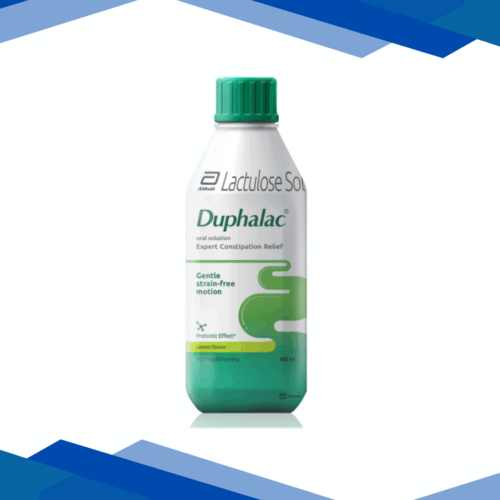
Duphalac Lemon Flavour Oral Solution 450ml