
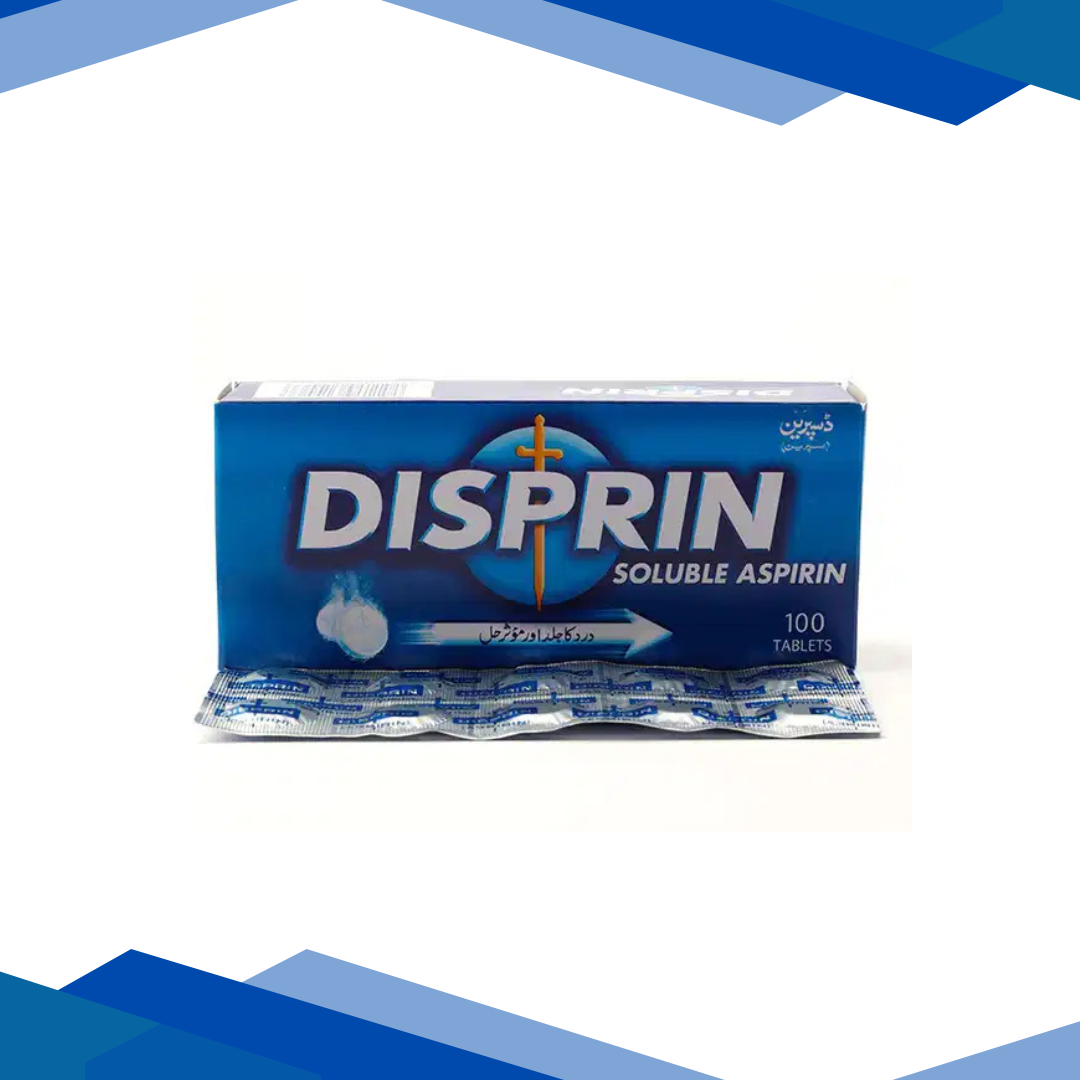
Disprin Regular 325 mg, 10 Tablets
No Prescription yet? Don’t worry! Click Here to Get Online Consultation
Disprin Regular 325mg Effervescent Tablet / For Fast Relief From Pain, Headaches & Migraines is an over-the-counter formula for pain management. It is commonly used to help manage raised body temperature, migraines, toothaches, and muscle pain.For more details kindly click on Medicine Salts below:
Acetylsalicylic Acid
Acetylsalicylic Acid Tablets (IP/USP) This medication, otherwise known as Aspirin, is a major NSAID (Non-Steroidal Anti-Inflammatory Drug) in modern medicine. It has a core role in alleviating mild-to-moderate pain, reducing fever, and diminishing inflammation. In a lower dose, it can prevent blood clots while affording protection against heart attacks and strokes for higher-risk patients.
Main Indication Pain-relief - Headaches; toothache; muscle ache; and period cramps can be rapidly relieved by acetylsalicylic acid. Anti-Pyretic - Reduces body temperature efficiently in common colds and flu. Anti-Inflammatory - It reduces swelling and joint pain in conditions such as rheumatoid arthritis and osteoarthritis. Cardioprotection - Cardiovascular protection is its baby-dose prescription (75–150 mg) that promotes blood flow and prevent clot formation in arteries.
Mechanism of Action Acetylsalicylic Acid inhibits prostaglandin production, a natural substance that conveys pain signals and causes tissue to become inflamed. Acetylsalicylic Acid's mechanism of action is to interrupt this pain signal at the core by inhibiting enzymes COX-1 and COX-2. As for its antiplatelet activity, Acetylsalicylic Acid impairs the ability of platelets to form clumps of blood, thus reducing the danger of forming thromboses.
Dosage and Administration. Pain/Fever: The usual adult dose is 325–650 mg every 4 to 6 hours as needed. The maximum dose over 24 hours is 4 g. Heart Health: This dosage regimen has to be set by your cardiologist. Administration: Take the tablet with a full glass of water. It is highly recommended to take this medication with food or milk to minimize stomach irritation. Tablet Swallowing: If you are taking enteric-coated (EC) tablets, swallow them whole. This is important as it will protect your stomach, in turn granting the medication enough time to reach the intestine before being released.
Safety Precautions/Warnings. On stomach health: Extended usage could lead to stomach irritation even with a precise prescription. If you have issues regarding peptic ulcer disease or acid reflux disease or symptoms, consult your physician for his/her suggestions. If Reye's Syndrome is a concern, avoid giving acetylsalicylic acid to any children or teens recovering from any viral infection, such as chickenpox or influenza, as it can lead to a severe and even highly lethal condition, Reye's Syndrome. Surgerying: In the rare event that you must undergo surgery in the future or a dental procedure which mandates having you placed out on to the operating table, tell your doctor because he or she might need to stop or suspend the medication for 7 days prior to the surgery due to potential excessive bleeding. Do not drink alcohol during an NSAID course as this greatly adds to your risk for internal bleeding, specifically in the stomach.
Common Side Effects Indigestion or heartburn Increased tendency to bruise or bleed Mild nausea Tinnitus (ringing in the ears)—usually a sign of high dosage
Frequently Asked Questions (FAQs) Q: For a hangover headache, may I take acetylsalicylic? While it will help in the headache situation, a single dose taken right after a heavy drinking session can injure your stomach lining very badly. It is always best to drink a lot of water and ask the pharmacist to give you an alternative if you know you have a sensitive stomach. Q: Is there a difference between "Aspirin" and "Acetylsalicylic Acid"? No. Acetylsalicylic Acid is actually the generic, chemically-defined name of the drug, whereas "Aspirin" is the brand name of the drug, and many people now refer to it that way. Q: Why do some tablets come with an "Enteric" or "Gastro-resistant" coating? This coating allows the tablet to avoid dissolving in the stomach, preventing the safe actions of the drug to take place in the small intestine itself. This will help protect the stomach from irritation and in turn lessen the likelihood of developing ulcers. Q: May I use this medication if I am allergic to Ibuprofen? No, generally. All the NSAIDs share similar structures, and thus place a high chance of a cross-sensitivity exist. Therefore, if you have had an allergic response to Ibuprofen and/or Naproxen, then it is best to take the opinion of a competent doctor before using Aspirin. In that regard, it most often interacts with such blood thinners as Warfarin, other NSAIDs, and certain antihypertension medicines. Remember to tell your doctor what you currently take in advance.
At Gem Pharmacy, we make every effort to provide accurate, expert-written, and thoroughly reviewed information related to medicines. However, this information should not be considered a substitute for professional medical advice, diagnosis, or treatment from a qualified doctor.
The purpose of this information is to educate users and improve communication between patients and healthcare professionals. It should not be used to diagnose or treat any condition.
Always consult a certified healthcare professional before taking any medication.