
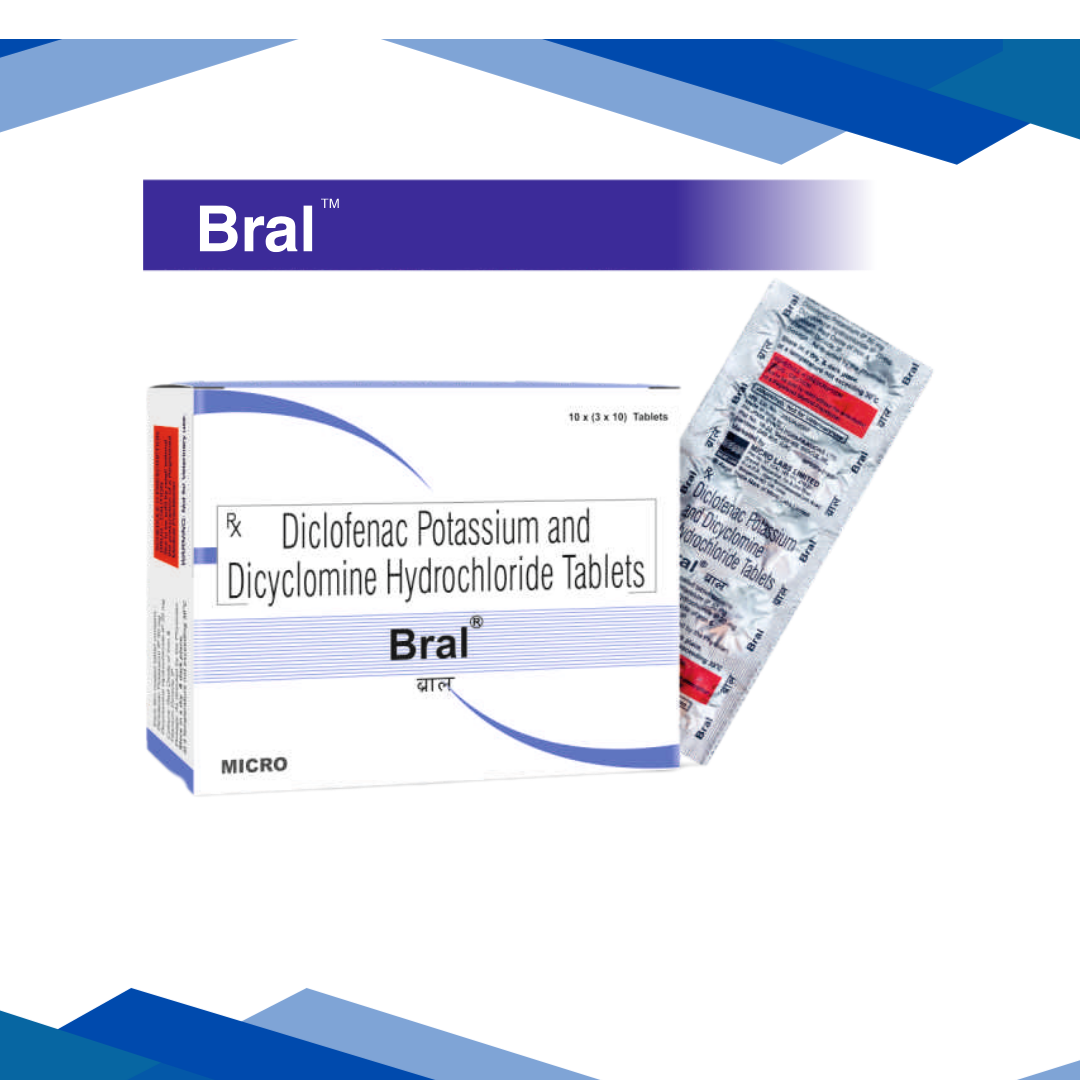
Bral
No Prescription yet? Don’t worry! Click Here to Get Online Consultation
This combination is used to treat abdominal pain and cramps, especially in conditions like menstrual pain, irritable bowel syndrome (IBS),by reducing inflammation and relaxing stomach muscles.For more details kindly click on Medicine Salts below:
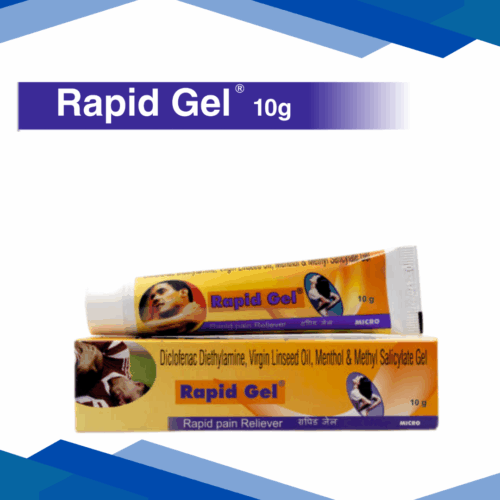
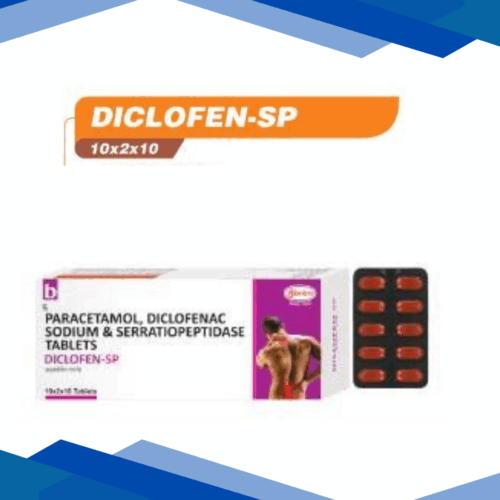
Diclofenac
Diclofenac Sodium-Potassium Tablet
Diclofenac, a powerful non-steroidal anti-inflammatory drug (NSAID), is used for relieving acute pain and chronic pain situations. The medicine carries out this job by inhibiting prostaglandin production, which itself is a naturally-occurring chemical of the body causing pain and promoting inflammation. Any range of pain scenarios, athletic or acute or chronic, acute or chronic, are ably managed with Diclofenac, all for the purpose of promoting movement by relieving the swelling and stiffness at the heart of the morbid condition.
Principal Therapeutic Uses
Arthritic Care: There is adequate relief should the usual symptoms arise from Osteoarthritis, Rheumatoid Arthritis, or Ankylosing Spondylitis.
Acute Pain: Analgesia is for use in mild to moderate pain brought about by dental procedures, strains of muscles, postrrecovery from a surgery attack.
Migraines and headache: Specific formulations like Diclofenac Potassium work great to treat an acute attack of headache, with a migraine.
Primary Dysmenorrhea (painful period): Specific relief has been created for Menstrual Cup when it hurts too much.
How to use
Administration: Swallow the tablet whole with a full glass of water; do not crush or chew if it is a "Delayed-Release" or "Enteric-Coated".
With Food: Taking Diclofenac with meals or milk will greatly reduce the chance of a belly upset.
Dosage: Stick to the prescribed dose by your health provider. Common doses control between 25mg to 75 mg thrice daily depending on the clinical state of the condition.
Common Side Effects
Most people are able to tolerate short-term treatment with diclofen7ac; however, some usual symptoms can include:
Nausea or Diarrhea
Dizziness or Mild Headache
Heartburn or Gas
Swelling of the Ankles or Feet (edema)
Warning: Immediate stoppage of medication and immediate seek medical aid if the following occurs after taking the tablet of diclofenac: the stools start turning black/tarry; the person experiences a severe pain in the stomach or gut; skin or eyes turn yellow color (jaundice).
Precautions & Safety Information
Heart Related: There is an increased risk of heart attack or stroke with NSAIDs like Diclofenac, especially if it is taken for the long term or at high doses.
Kidney & Liver Function: It may be necessary to monitor renal and hepatic function in patients who have already had pre-existing conditions of the kidneys or liver.
Asthma: Drug morality is advised to take caution for those with the history of Aspirin-sensitive asthma as they can induce an allergic reaction.
Alcohol: Zero strip-type liquids in the mouth while on this medication; they would raise the risk of severe ulcers and hemorrhage in the stomach.
Pregnancy: You should not take this medication after the 1st trimester because it might be harmful to the baby answered in utero.
FAQs:
Q: Difference between Diclofenac Sodium and Diclofenac Potassium?
Yes, it is. The potassium formulation is absorbed more quickly by the body and thus is usually used for frequently encountered "immediate" pain like headaches or cramps. In contrast, the sodium formulation is often being looked at in cases for "delayed release" pain relief and long-term countering of inflammatory conditions like arthritis.
Q: On an empty stomach, can I take Diclofenac?
Diclofenac works faster on an empty stomach. However, it irritates the mucous membrane of the stomach wall. On the other hand, taking it with food is good for your stomach lining.
Q: Is Diclofenac something that could be habit-forming?
No. Diclofenac is not a narcotic or opioid, it carries no abuse potential, and does not cause physical or psychological dependence.
Q: Can Diclofenac gel and tablets be used together?
Using a combination of oral and topical adminstration of diclofenac will have the potential to increase the overall systemic concentration of the drug and possibly increase any chance of side effects. Ask your doctor before administering different forms of the drug simultaneously.
Q: How long does Diclofenac take to work?
Acute pain can be subsided within the first thirty-to-sixty minutes whereas for chronic conditions like arthritis, consistent use offers one a complete inhibition of inflammation beginning at week 1–2.
Dicyclomine
Dicyclomine (Dicycloverine): Easing Cramps and Spasms of the Stomach
Dicyclomine is a special type of medicine known as an antispasmodic (anticholinergic). It is most often prescribed to relieve functional bowel disorders, particularly Irritable Bowel Syndrome (IBS). In simple terms, it helps the smooth muscles of the stomach and intestines relax, stopping the painful muscle spasms that cause abdominal discomfort.
The Mechanism of Action for Dicyclomine
The medicine works by blocking the action of a naturally occurring chemical called acetylcholine in the body. By doing so, it reduces involuntary spasms or sharp contractions of the muscles inside the digestive tract. This allows the stomach and intestines to function more normally, relieving the cramping or gripping sensation in the abdomen.
Indications
Irritable Bowel Syndrome (IBS): Helps relieve flare-ups of abdominal cramps and irregular bowel movements.
Intestinal Colic: Used to reduce sharp and sudden abdominal pain caused by muscle spasms.
Gastrointestinal Hypermotility: Helps calm an overactive digestive tract, reducing urgency and discomfort.
Quick Guides: Health & Usage
Factor
Advice & Precautions
When to Take: Should be taken 30–60 minutes before meals for maximum effectiveness.
Hydration: The medication may reduce sweating, so avoid overheating or heatstroke, especially in hot weather.
Driving: May cause blurred vision or dizziness. Avoid driving or operating machinery until you know how the medication affects you.
Glaucoma: Contraindicated. Patients with narrow-angle glaucoma should not take Dicyclomine.
Self-Care for Managing Side Effects
Most side effects are mild and related to the medication’s drying effects.
Dry Mouth: Sucking sugar-free candy or ice chips may help relieve dryness.
Blurred Vision: Usually temporary and often improves as the body adjusts.
Dizziness/Drowsiness: Be cautious and avoid sudden posture changes.
Nausea/Constipation: Increasing dietary fiber intake may help reduce symptoms.
Precaution: Stop the medication and contact your physician immediately if you experience rapid heart rate, confusion, or difficulty urinating.
Frequently Asked Questions (FAQs)
1. Does Dicyclomine act as a pain reliever?
No. It is not a general painkiller like acetaminophen or ibuprofen. Instead, it specifically targets muscle spasms in the gut, which are often the source of abdominal pain.
2. How quickly does Dicyclomine begin to work?
Many people notice relief within 1–2 hours after taking the medication. For long-term IBS management, it is usually taken on a regular schedule rather than only when symptoms occur.
3. Can I take Dicyclomine with antacids?
It is generally recommended not to take antacids at the same time, as they may interfere with Dicyclomine absorption. Take them at least one hour apart.
4. Can I drink alcohol while on this medication?
It is best to limit or avoid alcohol. Both alcohol and Dicyclomine can cause drowsiness and dizziness, and taking them together may increase these effects and impair coordination.
5. Is it useful for treating diarrhea?
Although it is not primarily an antidiarrheal medication, it may help slow excessive bowel movement activity in IBS-related diarrhea, which can reduce stool frequency.
At Gem Pharmacy, we make every effort to provide accurate, expert-written, and thoroughly reviewed information related to medicines. However, this information should not be considered a substitute for professional medical advice, diagnosis, or treatment from a qualified doctor.
The purpose of this information is to educate users and improve communication between patients and healthcare professionals. It should not be used to diagnose or treat any condition.
Always consult a certified healthcare professional before taking any medication.


Related products