
Showing 1–20 of 124 resultsSorted by popularity
Filter
Sort:
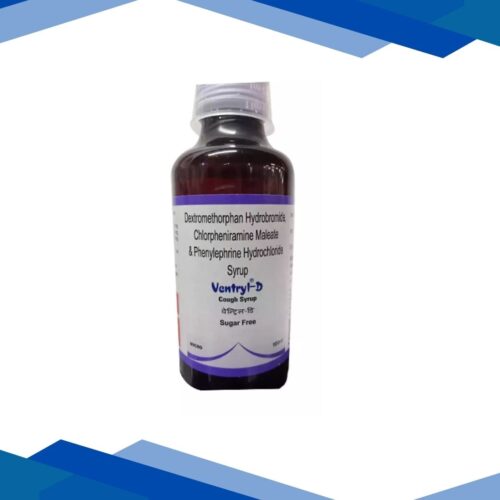
VENTRYL D SUGAR FREE Cough Syrup 100ml
Original price was: ₹118.13.₹90.00Current price is: ₹90.00.
Add to cart
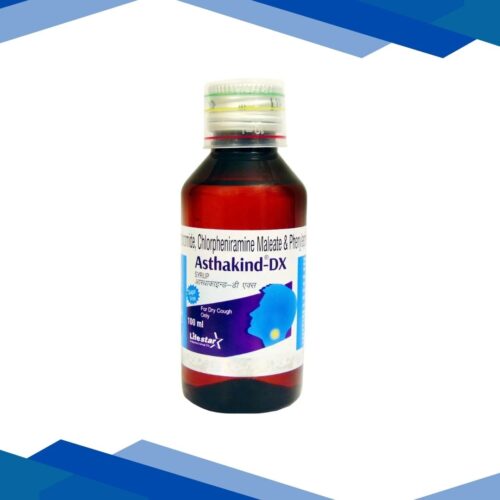
Asthakind DX Sugar Free Syrup 100ml
Original price was: ₹103.12.₹78.00Current price is: ₹78.00.
Add to cart
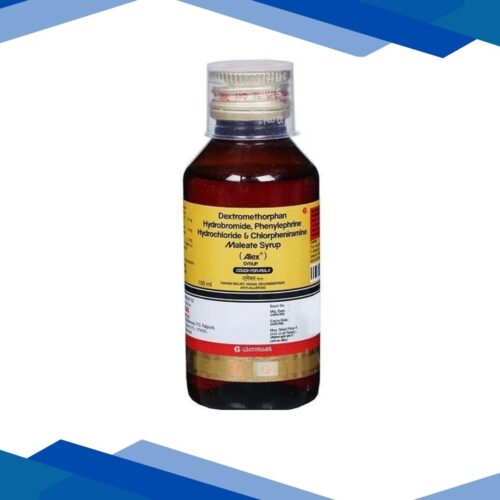
Alex Cough Formula Sugar Free Syrup 100ml
Original price was: ₹158.43.₹121.00Current price is: ₹121.00.
Add to cart
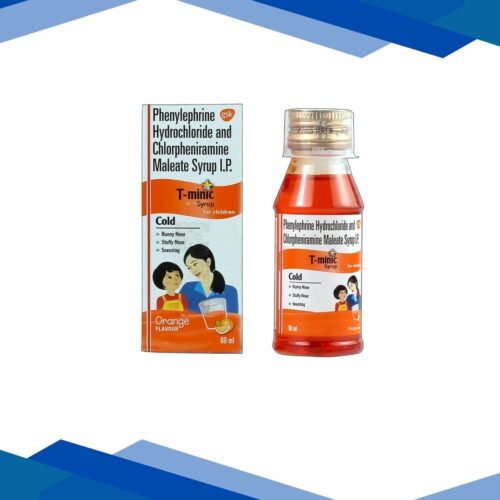
T Minic Orange Flavour Syrup 60ml
Original price was: ₹124.56.₹92.00Current price is: ₹92.00.
Add to cart
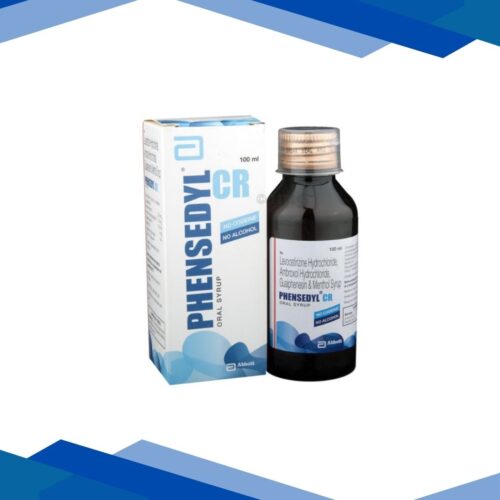
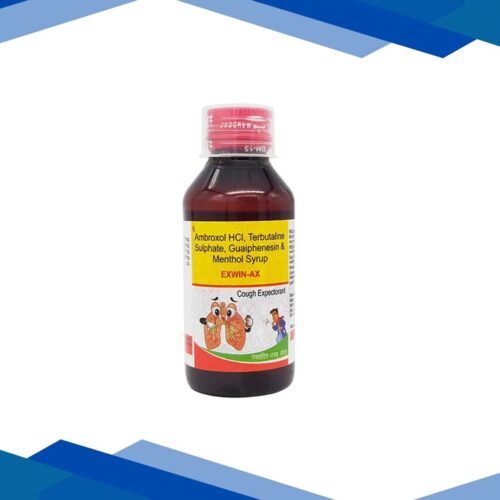
EXWIN AX COUGH Expectorant 100ml
Original price was: ₹112.00.₹85.00Current price is: ₹85.00.
Add to cart
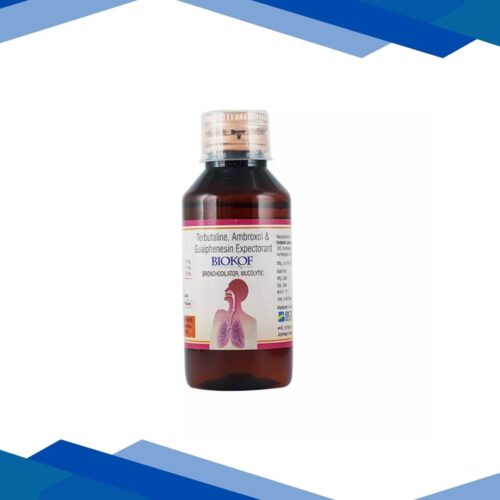
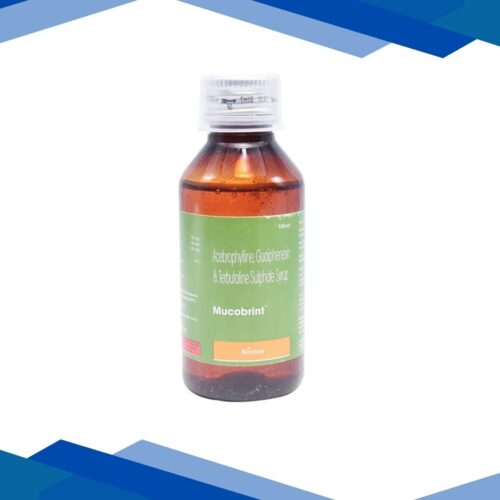
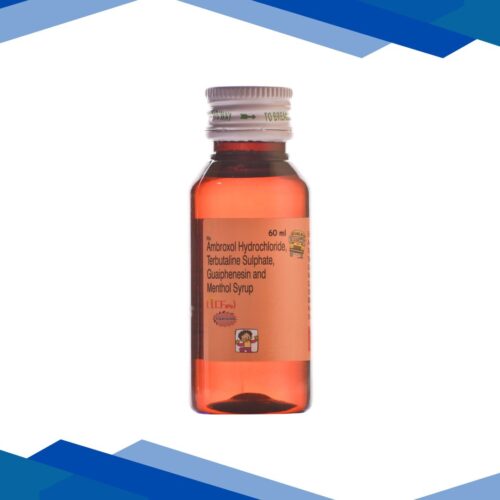
LCF Kid Expectorant Syrup 60ml
Original price was: ₹64.36.₹50.00Current price is: ₹50.00.
Add to cart
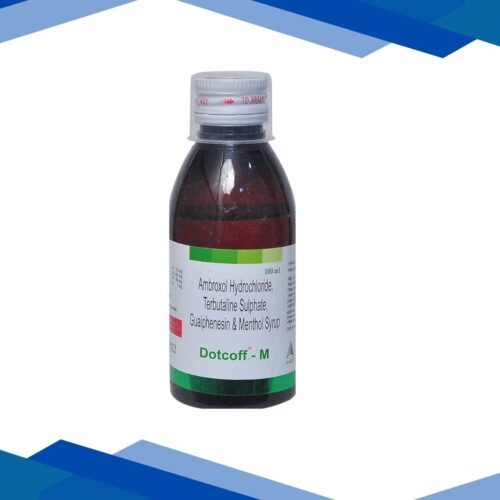
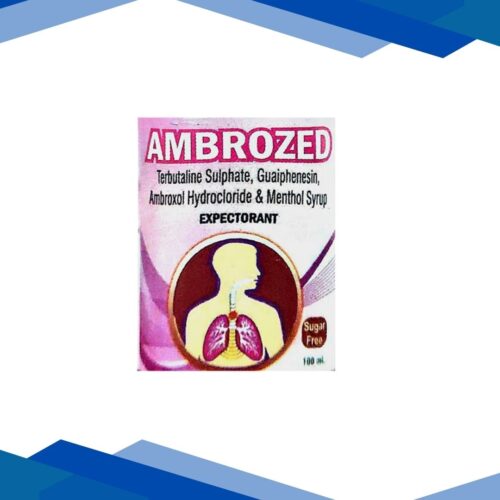
AMBROZED SUGAR FREE Expectorant 100ml
Original price was: ₹103.13.₹80.00Current price is: ₹80.00.
Add to cart
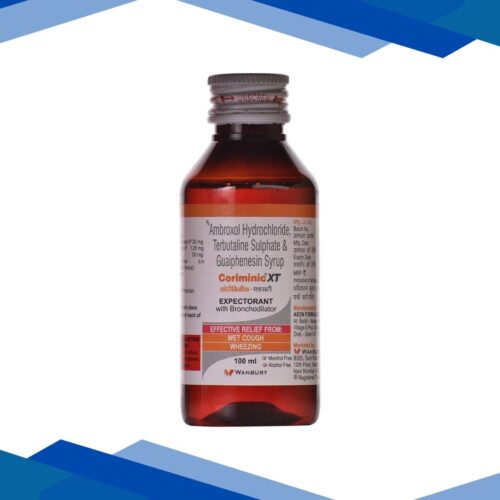
Coriminic XT Expectorant 100ml
Original price was: ₹94.50.₹70.00Current price is: ₹70.00.
Add to cart
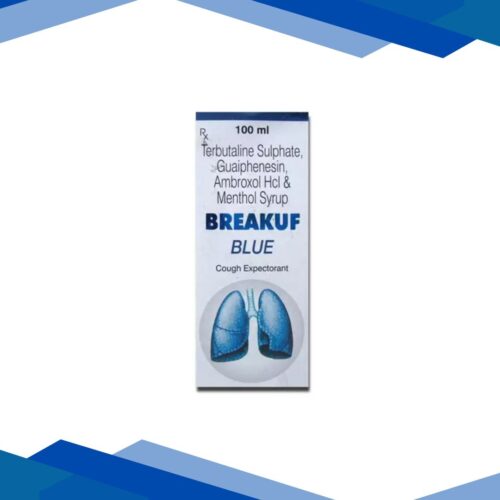
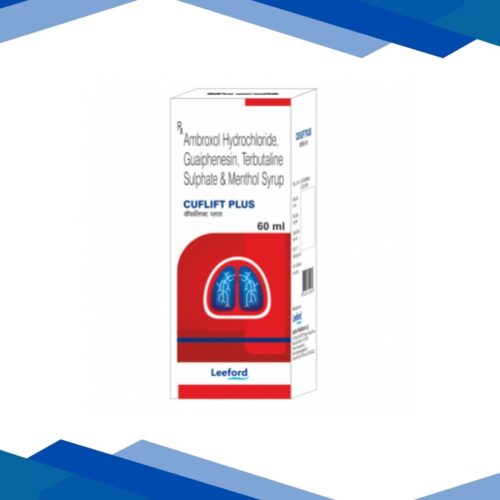
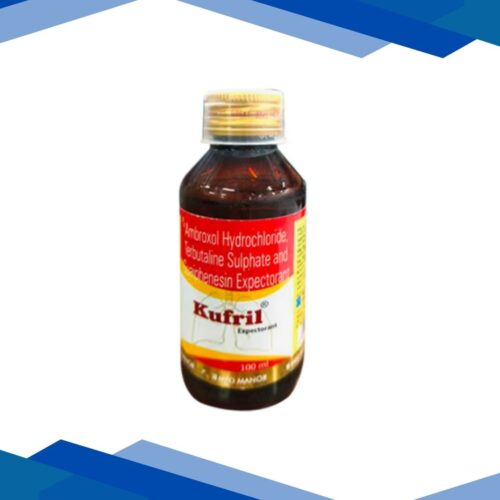
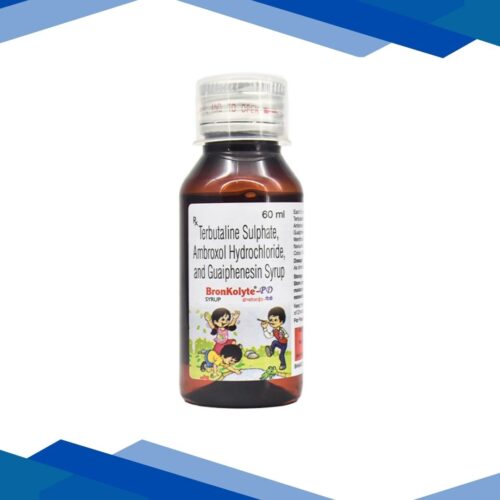
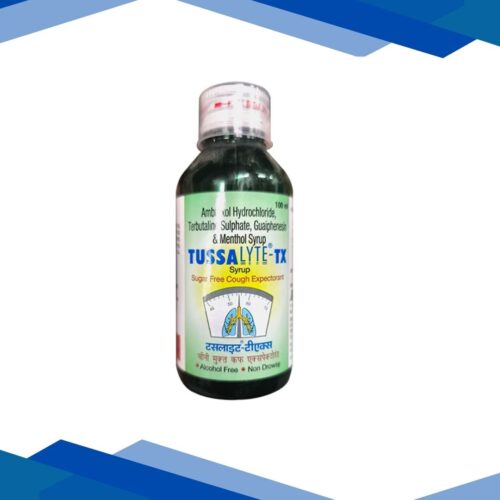
TUSSALYTE TX SUGAR FREE COUGH Expectorant 100ml
Original price was: ₹107.81.₹81.00Current price is: ₹81.00.
Add to cart
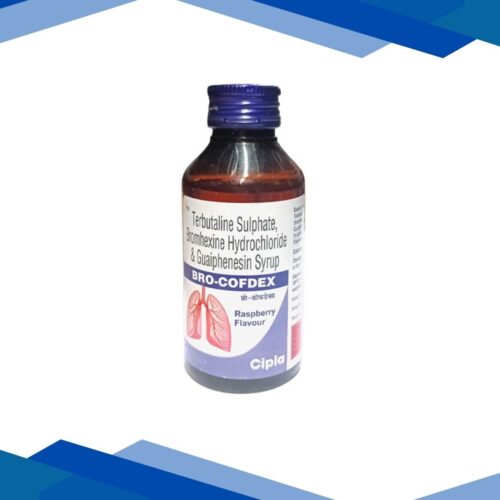
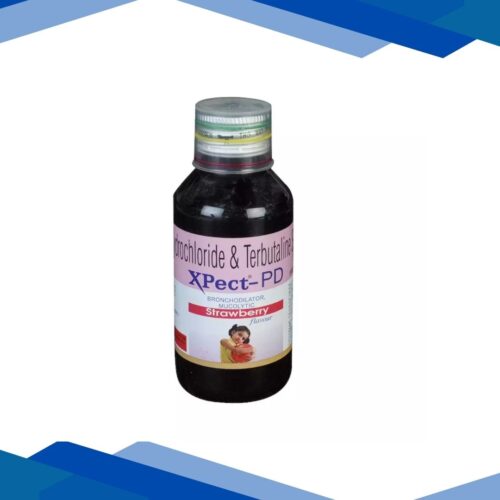
Xpect PD Strawberry Flavour Syrup 100ml
Original price was: ₹123.75.₹95.00Current price is: ₹95.00.
Add to cart
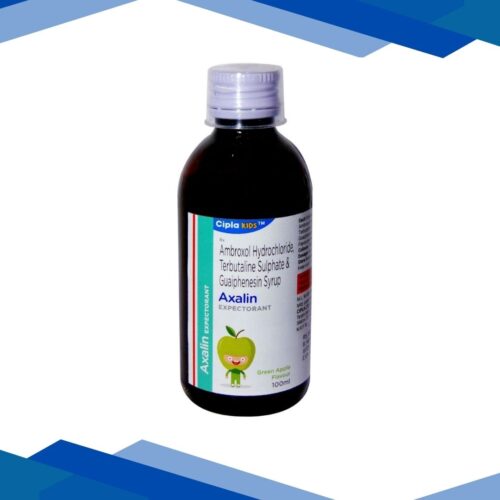
Axalin Green Apple Flavour Expectorant 100ml
Original price was: ₹102.05.₹87.00Current price is: ₹87.00.
Add to cart
Buy Cough Syrup online at Gem Pharmacy
Cough syrup is a liquid medication that is taken to reduce coughing, which is one of the typical symptoms of cold, flu, allergies, and infections that affect the respiratory system. Its functionality is a matter of its formulation. There are those that relax the cough reflex, those that loosen the mucus so that it may be easily removed from the airways, and those that ease the irritation of the throat.
Types of coughs
- Dry Cough: There is no mucus or phlegm in this type of cough. It is usually triggered by irritation of the throat, a virus, an allergy, lack of moisture in the air, or gastroesophageal reflux disease. Such a cough may be scratchy, tickling, or relentless, and a nighttime cough is usually more severe. A dry cough is exhausting and disrupting rest because it does not assist in clearing the airways.
- Wet Cough: A wet cough or a productive cough is a cough in which mucus is discharged in the respiratory tract. It frequently occurs in cases of infection like the common cold, bronchitis, or pneumonia. A wet cough is meant to remove germs and mucus in the lungs and airways, which enables you to have an easy time breathing, and you heal more quickly.
Types of Cough Syrups
The cough syrups are derived differently so as to address the type of coughs and the associated symptoms. They all have active ingredients, which act differently to eliminate coughing, loosen mucus, or alleviate irritation of the throat. The popular varieties of cough syrups are:
- Cough Suppressants (Antitussatives): These are syrups that are taken to soothe a dry, tickly cough. They act by calming the cough reflex, decreasing coughing desire, and calming down frequent coughing, which is tiresome or disrupts sleep. The most prevalent over-the-counter (OTC) cough syrup with a dry cough is dextromethorphan, which is commonly used in the market and is used to suppress the cough without excessive drowsiness.
- Expectorants: These are productive coughs, which are treated with expectorant syrups. They assist in the thinning of mucus, which is expelled more easily out of the airways. Taking of the chest and throat is useful to clear the chest and breathing is brought to ease. The most frequently used expectorant is guaifenesin. It aids in the loosening and thinning of mucus, which makes the chest clear and less congested.
- Antihistamine Syrups: Antihistamine-based syrups are also very effective in treating these coughs, which are mostly due to asthma or post-nasal drip. Diphenhydramine-containing medications can be used to treat such symptoms as sneezing, a runny nose, and irritation of the throat, causing coughing. These drugs may make one feel sleepy and usually at night.
- Multi-Symptom Cough Syrups: Formulations were also created that will treat several symptoms of a cold or the flu at once. These can have components that are helpful in reducing cough, along with the loosening of mucus, as well as the nasal congestion. They are also handy when an individual has a mixture of symptoms like coughing, sore throat, and a blocked nose.
- Natural or Herbal Cough Syrups: Herbal syrups are a product of natural products, such as honey, tulsi (holy basil), ginger, and liquorice. They are usually taken when suffering mild cases of coughs or throat irritation and can be used to soothe the throat and offer mild relief.
Side Effects of Cough Syrups
Cough syrups can be rather hazardous to take, as they can lead to unwanted effects, unless the medication is used correctly. Diffusion of the syrup ingredients may make the side effects serious and different.
The side effects of cough syrup could include:
The side effects of cough syrup could include:
- Light-headedness or dizziness.
- Feeling tired or sleepy.
- Upsets Stomach, nausea, or vomiting.
- Headache
- Dry mouth or throat
- Poor sleeping or alertness.
Frequently Asked Questions
Can I take cough syrups with other medications?
To combine cough syrup with other medicines, it is better to consult a doctor.
How long does cough syrup take to work?
Generally, cough syrup starts working in a couple of hours.
What to do if I miss the dose?
If you miss a dose, then take it as soon as possible, at least 3 hours before the next dose.
Can I drink water after taking cough syrup?
Yes, you can drink water after taking cough syrup, but a few minutes later.