
Showing all 3 resultsSorted by popularity
Filter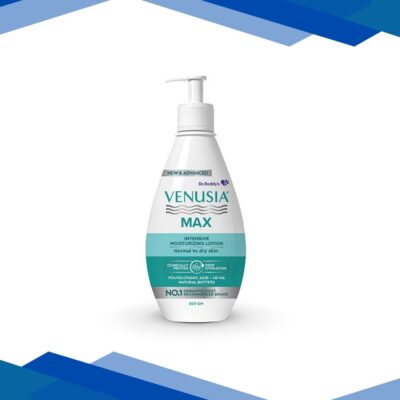
VENUSIA MAX NEW & ADVANCED PGA+4D HA INTENSIVE MOISTURIZING Lotion 500g

VENUSIA MAX NEW & ADVANCED PGA+4D HA INTENSIVE MOISTURIZING Lotion 300g

VENUSIA MAX NEW & ADVANCED PGA+4D HA INTENSIVE MOISTURIZING Cream 150g
Tiropramide: Relief for Smooth Muscle Spasms
Tiropramide is an antispasmodic that is specifically designed to alleviate pain and discomfort caused by spasms in the smooth muscle. It works directly at the level of the smooth muscular walls of the internal organs and more specifically of the digestive, biliary, and urinary systems. This antispasmodic relaxes muscles by influencing changes in intracellular calcium levels, while meanwhile not interfering with the normal peristaltic movements of the gut. These parameters make Tiropramide the preferred choice for relieving colicky pain without the significant sedation of the older antispasmodic class.
Primary Therapeutic Indications
Spasm along the digestive tract: Relief from painful cramp-like spasms in gastritis, enteritis, and irritable bowel syndrome (IBS).
Biliary spasm: Alleviating pain caused by spasms in the bile ducts or the gallbladder.
Urinary tract spasms: Relief from discomfort due to renal colic (kidney stones) or spasms of the ureter and bladder.
Postoperative residual muscle spasms after many intra-abdominal and pelvic surgeries.
How Tiropramide Works
Tiropramide functions by increasing cAMP levels in muscle cells, which in turn leads to intracellular sequestration of the calcium ions needed for muscle contraction. When removed from contractile proteins, the calcium ions can easily help the muscle to relax, providing immediate relief from any sharp or cramp-like pains involved.
How to Use Tiropramide Properly
Standard Dosage: An increase to 100 mg taken two to three times a day is recommended depending on muscle contraction severity beyond the normal dosage.
Administration: Swallow the tablets with water and do not chew or crush them. May be taken without food or immediately followed by a meal if patients experience an unpleasant stomach taste from the medicine.
Duration: The treatment should aim to relieve symptoms in acute situations. Should the relief persist for over 2–3 days, contact the practitioner at the same time.
Check it for Potentially Life Threatening Issues
Glaucoma: If possible, discontinue. Record periodic pressures: see an eye doctor. The antispasmodic component may alter iris contour, thereby narrowing the anterior chamber angle in susceptible individuals, or trigger an adrenergic effect on the retractor. As a result, sudden blockage could develop at the trabecular meshwork. The other pharmacologic manifestations of these agents can partially neutralize these risks. The negative effects on the pupil are as critical relative to those on the angle. The anticholinergic effect can potentially reduce secretion of the build-up of fluid at the earning duct epithelium. Do not apply if an attack of angle-closure glaucoma requires controlled therapy.
Prostate Health: Should be used with caution in patients with prostatic hypertrophy (enlarged prostate) due to the risk of urinary retention.
Pregnancy: Category D: Positive evidence against risk during the first trimester, but use of the drug during later stages of pregnancy must be decided by consideration of an excellent risk-benefit approach.
Driving: If sedation or dizziness are observed, patients should be warned about operating any dangerous equipment. Tiropramide is thought not to cause any sedation-type effect-endangering alertness.
Potential Problems: Side Effects
Tiropramide is quite well-tolerated, though certain patients may encounter mild anticholinergic-type symptoms as follows:
- Dry mouth
- Mild nausea or thirst rarely felt
- Some cases may experience constipation
- Allergic reactions, very rarely reported, are often seen as eruptions of the skin coupled with a rash or itch
Frequently Asked Questions (FAQ) about Tiropramide
1. How long does it take for Tiropramide to start working? Generally, about 20–60 minutes after the oral administration of the medication will the patient experience worsening of cramp-like pains. Peak activity will be obtained at 2 hours.
2. Does Tiropramide work the same as over-the-counter painkillers like Paracetamol? No, it does not. Paracetamol is usually an analgesic that suppresses pain clues to the brain. Tiropramide, on the other hand, is an antispasmodic that deals with the reason of the pain, therefore it relaxes spasms in the organ muscles. Doctors sometimes combine them for severe colic.
3. For menstrual cramps, can I use Tiropramide? Although used for non-specific smooth muscle relaxation of the GI and urinary tracts, the primary indication for Tiropramide includes that the muscles are smooth. Uterine cramping refers to the muscle of the uterus; therefore, these cramps are treated with distinctive drugs like mefenamic acid, although others are often advised for treatment under regulation as the second-line choice for intermittent usage of Tiropramide.
4. What should I abstain from while taking this medication? While you are on the medication and have to secure it for digestive spasms, avoid fatty food, as fat in the alimentary nutrient may slow down gastric emptying and promote the triggering of more spasms. No food/drug interactions are well documented. Nonetheless, the use of alcohol should be minimized to decrease the onset of dizziness.
5. Could I take Tiropramide even if I have a stomach ulcer? Using antispasmodics, a stomach ulcer might take Tiropramide to bed. It does not cure the underlying ulcer condition, though; to heal the already damaged lining of the stomach, acid-suppressing medications would still be needed.