
Showing 1–20 of 50 resultsSorted by popularity
Filter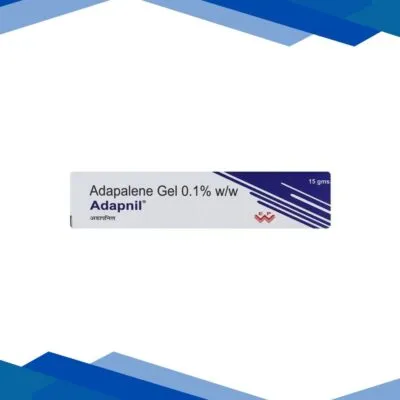

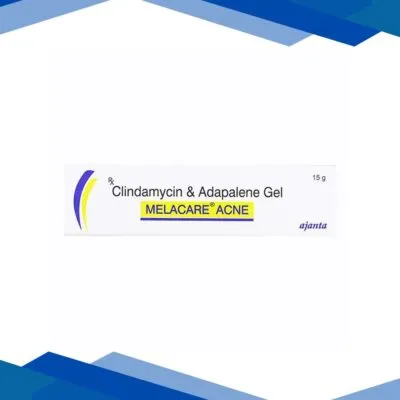
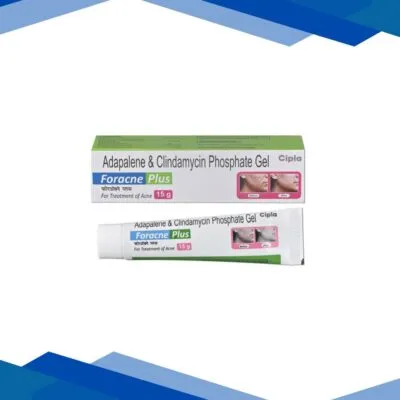
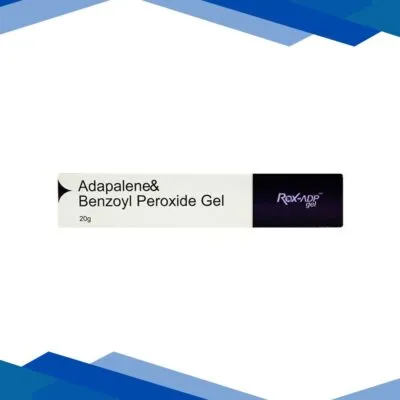
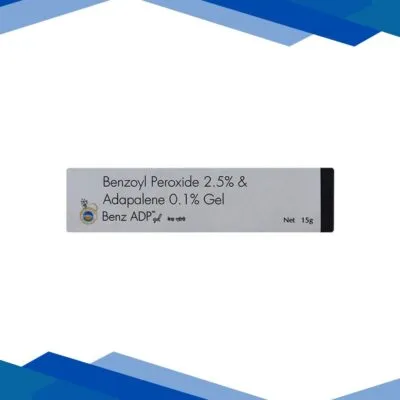
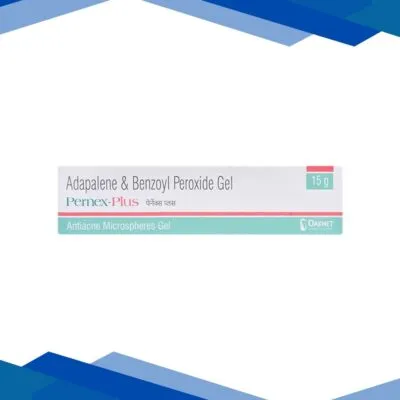

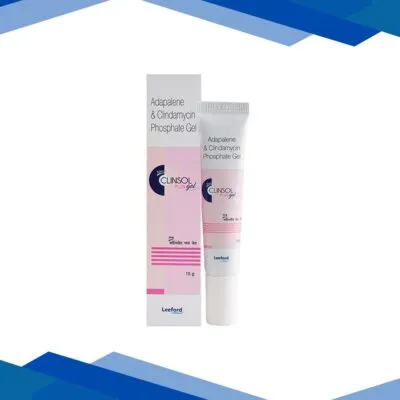
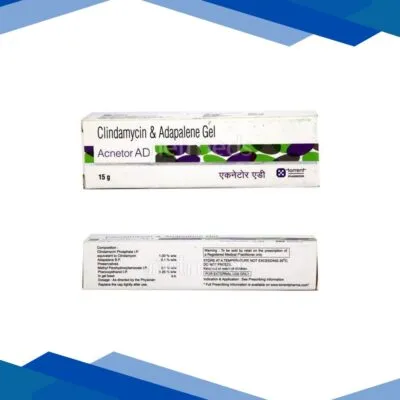

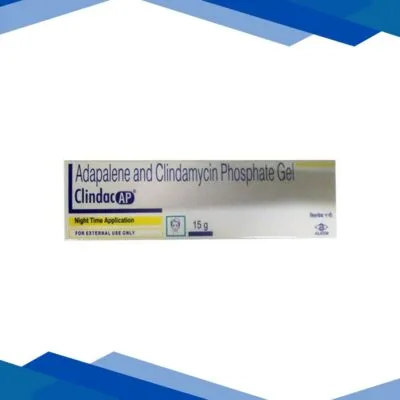
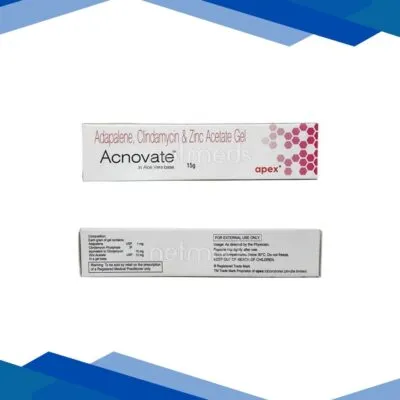
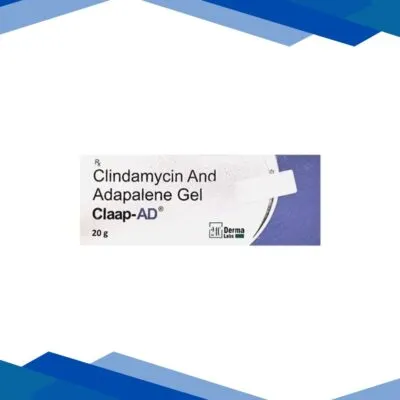

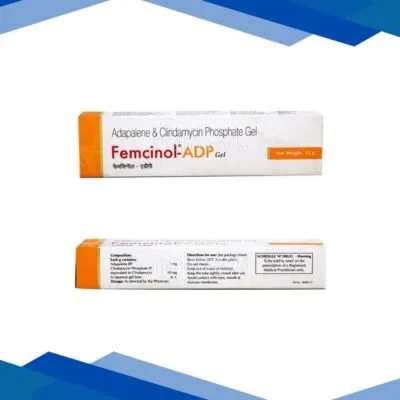
Adapalene 0.1% Gel (Generic Differin)
Manufacturer: [Insert Brand/Generic Manufacturer]
Salt Composition: Adapalene (0.1% w/w)
Storage: Store below 25°C. Do not freeze.
Product Introduction
Adapalene 0.1% Gel is a highly effective topical prescription medication primarily prescribed for the treatment and management of mild to moderate acne vulgaris. As a third-generation synthetic retinoid (a derivative of Vitamin A), it targets the root causes of breakouts by regulating skin cell turnover, reducing inflammation, and preventing the accumulation of sebum in the pores.
Regular application helps clear existing pimples, whiteheads, and blackheads while actively preventing new acne lesions from forming underneath the surface of the skin.
Benefits of Adapalene Gel
-
Targeted Acne Therapy: Efficiently unblocks clogged pores and allows natural exfoliation of the skin’s outer layers.
-
Comedolytic Action: Prevents the formation of microcomedones (the initial stage of pimples).
-
Anti-Inflammatory Properties: Reduces the swelling, redness, and deep tenderness associated with active breakouts.
-
Texture Improvement: Promotes an even skin tone and helps minimize the appearance of post-acne blemishes and scars over time.
How It Works
Adapalene works at a cellular level. It binds to specific retinoic acid nuclear receptors in the skin to normalize the differentiation of follicular epithelial cells. In simpler terms, it prevents dead skin cells from sticking together and plugging your pores, ensuring that the natural oil (sebum) can flow freely without causing blockages.
Directions for Use
-
Cleanse: Wash the affected skin gently with a mild, non-abrasive, soap-free cleanser. Pat completely dry with a soft towel.
-
Apply: Squeeze a pea-sized amount onto your fingertip. Apply a thin film smoothly over the entire affected area (e.g., the whole face), not just individual pimples.
-
Timing: Use once daily, preferably in the evening at bedtime, or exactly as directed by your dermatologist.
-
Post-Application: Wash your hands thoroughly after applying. Wait a few minutes before applying a gentle, non-comedogenic moisturizer if dryness occurs.
Quick Reference: Side Effects & Precautions
| Common Side Effects | Safety Precautions |
| • Dry or peeling skin • Mild burning or stinging • Skin redness (Erythema) • Temporary acne purging | • Sun Sensitivity: Always wear a broad-spectrum SPF 30+ sunscreen during the day. • Avoid Areas: Keep away from eyes, lips, nostrils, and broken or sunburnt skin. • Pregnancy: Do not use if pregnant or planning a pregnancy. |
Frequently Asked Questions (FAQs)
Q. How long does it take to see visible results with Adapalene?
You may notice a slight improvement within 2 to 4 weeks. However, it typically takes 8 to 12 weeks of consistent, daily application to experience the full therapeutic benefits of this medication.
Q. Why is my acne getting worse after starting this gel?
During the first 3 weeks of treatment, an apparent flare-up or “purging” phase is common. Adapalene accelerates cell turnover, bringing previously hidden, deep-seated microcomedones to the skin surface all at once. Do not discontinue use unless irritation becomes severe; this indicates the medication is actively clearing your pores.
Q. Can I use Adapalene during the daytime?
It is highly recommended to apply this gel at bedtime. Retinoids can make your skin significantly more vulnerable to ultraviolet (UV) radiation, increasing the risk of sunburn and irritation when exposed to daylight.
Q. My skin is peeling and dry. What should I do?
Mild dryness, flaking, and a slight stinging sensation are expected side effects during the first month. You can manage this by introducing a rich, fragrance-free, non-comedogenic moisturizer into your routine. If the irritation is uncomfortable, consult your dermatologist about reducing application to every alternate night until your skin adjusts.
Q. Can I combine Adapalene with other skincare actives like Salicylic Acid or Vitamin C?
Avoid using other potentially irritating topical products (such as abrasive soaps, chemical peels, salicylic acid, glycolic acid, or high-alcohol astringents) on the exact same areas simultaneously unless explicitly advised by your doctor, as this can severely compromise your skin barrier.