
Showing all 8 resultsSorted by popularity
Filter
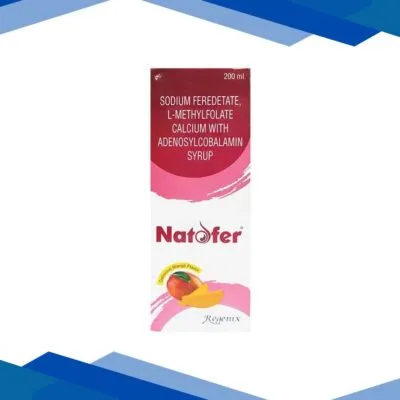
NATOFER Delicious Mango Flavor Syrup 200ml
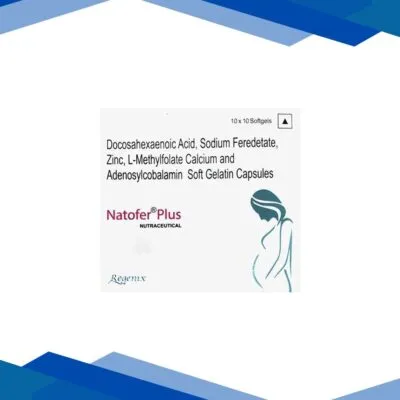
NATOFER PLUS Soft Gelatin Capsule 10’s
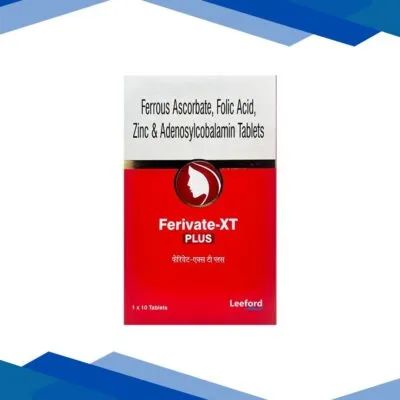
FERIVATE XT PLUS Tablet 10’s
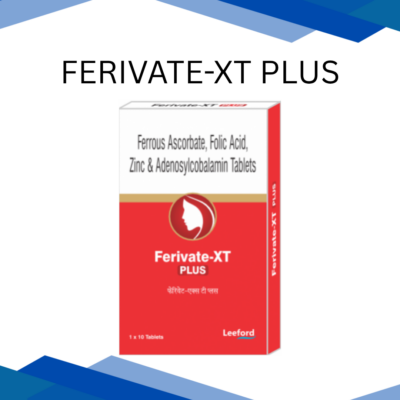
Adenosylcobalamin (Active form of Vitamin B12)
Adenosylcobalamin, also known as Dibencozide, refers to one of the two coenzyme forms of Vitamin B12 occurring as a natural form in the human body. The other form, Methylcobalamin, is primarily at work in the blood and cytoplasm, while Adenosylcobalamin is the dominant form found in cellular tissues and the mitochondria. It plays a critical role in the metabolism of energy, breakdown of certain amino acids, and preservation of the protective myelin sheath around nerve fibers.
Key features of treatment for basic
Mitochondrial Energy Support: Essential for conversion of methylmalonyl-CoA to succinyl-CoA, a critical step in the Krebs cycle that creates cellular energy (ATP).
Neurological reinforcement: Supports the myelin sheath in structural integrity, helping to avoid peripheral neuropathy and neuro degeneration.
Muscle Repair: Often administered for protein metabolism and muscle tissue rebuilding, commonly used in sports nutrition.
Vitamin B12 collaborates with other B vitamins to ensure the efficient production of red blood cells, which then effectively transport oxygen in the various tissues.
Management of B12 Deficiency – May eliminate certain deficiency symptoms much better than Cyanocobalamin alone.
Product Specifications
Active Ingredient: Adenosylcobalamin and Hydroxocobalamin as Dibencozide
Medium of delivery: Orally consumed as tablets in various strengths, under-the-tongue (sublingual) drops or an injectable form of the medium
Strength: Though, doses would range between 500mcg and 1500mcg subject to availability.
Bioavailability: Very high; does not need specialized conversion by the liver due to biologically active state of Vitamin B12
Use Instructions
Dosing: The adult usual dose is one tablet (1000mcg), daily, or, more accurately, upon a blood serum level quantity.
Method: If using the sublingual tablets, place under the tongue for complete dissolving and absorption into the bloodstream.
Timing: It should be taken in the morning on an empty stomach, between meals, for higher energy levels during the day.
Side Effects & Safety
Adenosylcobalamin is generally well-tolerated because it is a water-soluble vitamin; however, some users may experience:
Mild digestive upset or nausea.
Temporary headache or dizziness.
Skin rash or itching (rare).
Note: High doses of B12 can sometimes mask a Folate (Vitamin B9) deficiency. It is often recommended that a B-Complex supplement be given in order to keep vitamin levels well balanced.
Precautions & Warnings
Leber’s Disease: People with hereditary optic nerve medication (Leber’s disease) should not take B12 supplements unless proven beneficial by an ophthalmologist.
Polycythemia Vera: This blood disorder requires a hematological consultation before starting therapy with B12.
Potassium Levels: Monitoring of serum potassium is advised during the initial treatment of severe B12 deficiency.
Pregnancy: Generally considered safe, but dosage had better be confirmed by an obstetrician.
Frequently Asked Questions (FAQs)
Q: Is Adenosylcobalamin different from Methylcobalamin?
Adenosylcobalamin is an active form of B12; Methylcobalamin is active in different parts of the cell. While Methylcobalamin is mainly active in the fluid parts of the cell (cytosol) and great for brain health, Adenosylcobalamin works inside the mitochondria and is primarily responsible for energy production and muscle health.
Q: Can I take it if I am Vegan?
Yes. Most Adenosylcobalamin supplements are developed via bacterial fermentation and do not contain animal-related ingredients. The consumer should look for a product with a “Vegan” or “Vegetarian” certification on the label.
Q: Will it interact with Metformin?
According to several studies, long-term use of the drug Metformin (used for diabetes) can lead to interference with B12 absorption. Your practitioner may want to monitor your B12 levels and suggest regular supplementation to avoid problems.
Q: Can I take it along with Vitamin C?
Sometimes, Vitamin C in high doses can hurt B12 in the digestive tract. The best thing would be to administer these two supplements apart, so as to ensure a better absorption process.
Q: How long does it typically take to replace B12?
For some energy-related symptoms, users have noticed a discernible difference within 1 week. For nerve-related symptoms (tingling or numbness), it takes 4–8 weeks of continuous use to begin seeing anything that approaches acceptable improvement.
Storage
Store in a cool, dry place (20 to 25ºC). Prevent exposure to light and moisture: B12 vitamins are light-sensitive; they can degrade if kept under direct sun or in high humidity for long periods.
Disclaimer
The information provided here is for educational purposes only. Do not self-medicate; seek your registered medical practitioner’s opinion before starting any supplemental intake.