Showing all 11 resultsSorted by popularity
Filter
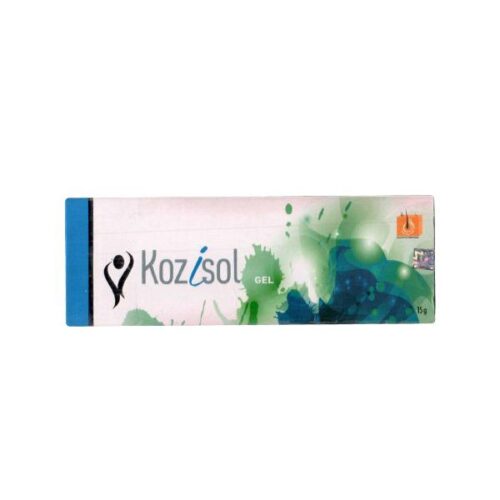
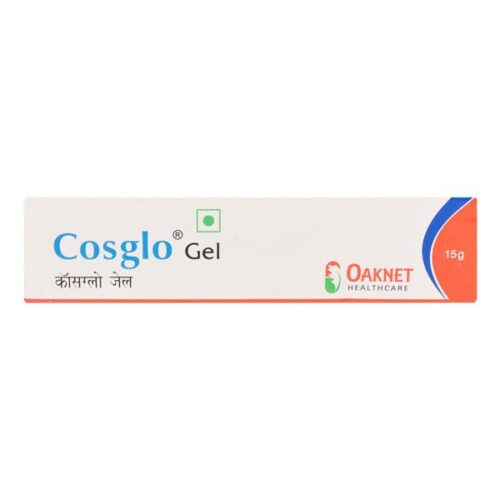
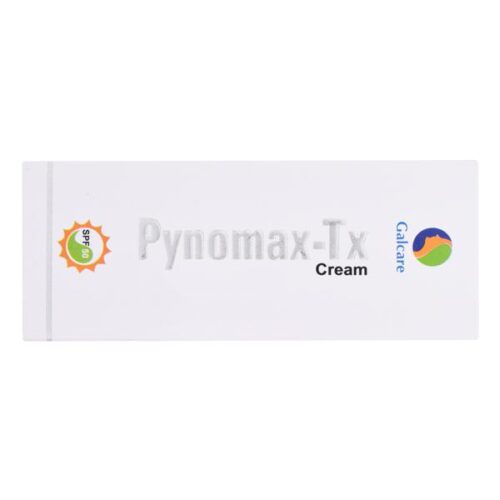
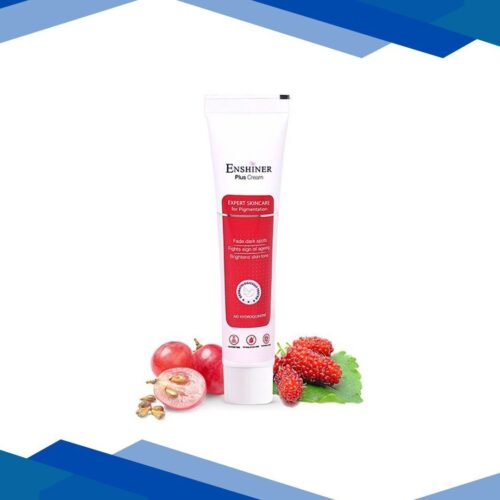
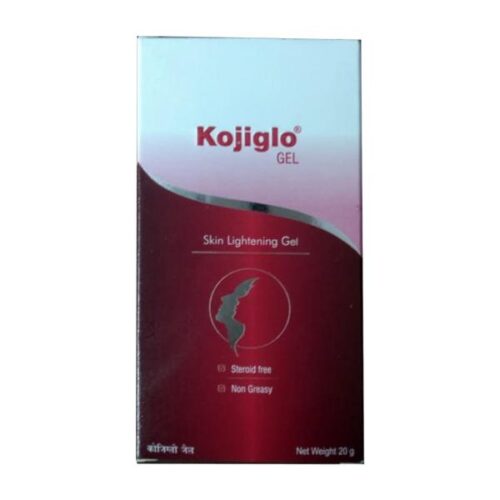
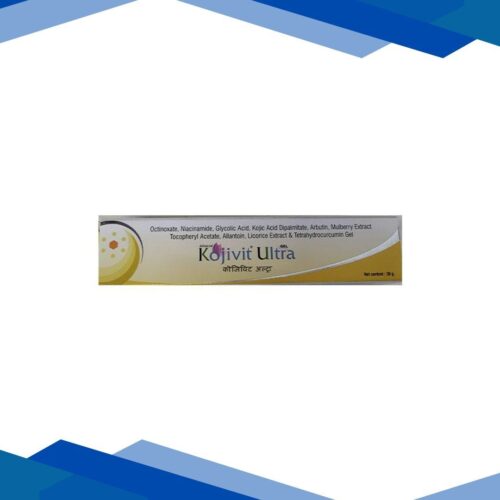
Kojivit Ultra Advanced Gel 30gm
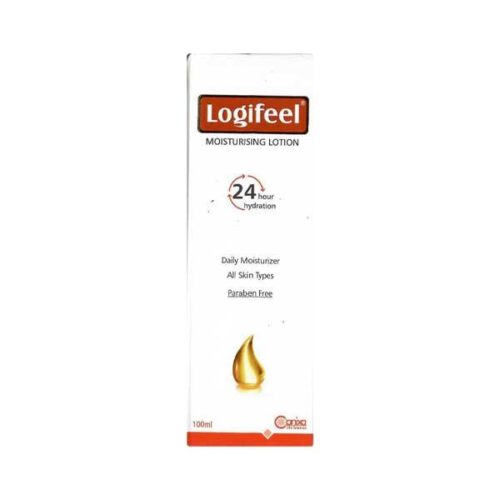
LOGIFEEL MOISTURISING Lotion 100ml
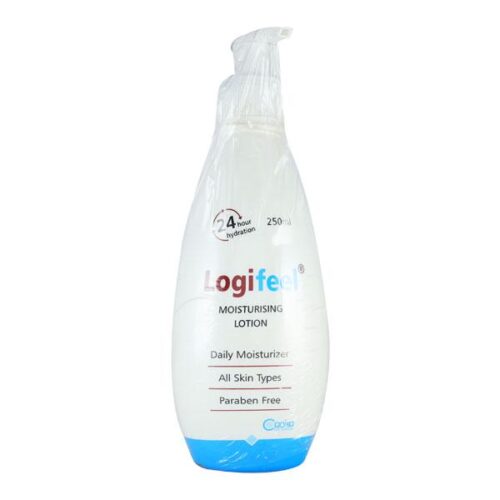
LOGIFEEL MOISTURISING Lotion 250ml
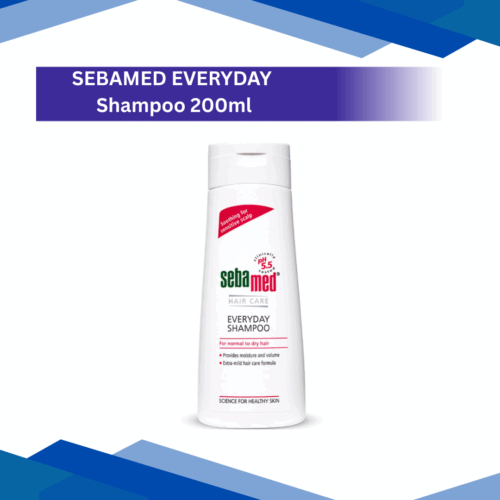
SEBAMED EVERYDAY Shampoo 200ml
Allantoin: The Ultimate Soothing Agent for Skin Recovery
Allantoin serves as a discreet skincare component which dermatologists recommend for treating ongoing skin dryness and minor skin problems and for enhancing existing skincare products. Allantoin functions as a non-irritating skin safeguard which promotes wound healing through its natural presence in the comfrey plant and its synthesized clinical-grade form.
Mechanism of Action
The process of Allantoin functions through:
Allantoin penetrates skin layers using keratolysis unlike most active ingredients which remain on the surface. The treatment functions by softening the adhesive material which binds dead skin cells together to enable better shedding of these cells.
The Resulting Processes
- Deep Hydration: The process enables moisture to reach deeper skin layers after dead cells have been removed.
- Cell Regeneration: The treatment triggers fibroblast cells which create collagen to accelerate scar and abrasion healing.
- Anti-Irritation: The substance functions as a natural buffer which enhances its compatibility with more intense treatments such as Retinol and AHAs.
Primary Uses & Benefits
- Soothing Sunburns & Rashes: The treatment quickly calms skin redness and heat because it stops the inflammatory process which affects the skin.
- Scar Management: The treatment results in less visible scar tissue because its regular use makes the scar tissue smoother over time.
- Eczema & Psoriasis Relief: The treatment creates a protective barrier which stops moisture loss through transepidermal water loss (TEWL) from damaged skin areas.
- Post-Procedure Recovery: The procedure acts as a tissue repair accelerator which people use after chemical peels and laser treatments.
Frequently Asked Questions (FAQs)
1. Is Allantoin safe for sensitive skin?
Yes. Allantoin functions as an “anti-irritant” which people widely acknowledge. The ingredient appears in cosmetics because it helps to minimize potential skin reactions which other components of the product might induce. The product provides safety for all skin types which includes people who suffer from hypersensitivity and rosacea.
2. How should I apply products containing Allantoin?
The optimal method for using Allantoin-based products requires users to apply the cream or gel onto their slightly damp skin. The process establishes a barrier that maintains moisture for longer periods. The user should perform gentle massage movements to apply the product two times each day for scar treatment purposes.
3. Can I use Allantoin along with Vitamin C or Retinol?
Absolutely. The practice of using Allantoin in combination with “actives” which include Retinol and Salicylic Acidrepresents a common recommendation. The soothing effects of Allantoin protect the skin from discomfort which occurs when users use those products that cause their skin to peel or turn red.
4. Are there any side effects?
The natural soothing properties of Allantoin make its side effects extremely rare. The product requires users to conduct a patch test on their forearm before they use it for complete application. The product requires users to stop using itwhenever they experience uncommon stinging or ongoing redness and seek medical assistance.
5. Is Allantoin the same as Urea?
Both compounds function as keratolytic agents which dissolve dead skin cells yet Allantoin operates as a milder option. Allantoin serves as the better choice for facial skin and wound treatment whereas urea works effectively on extremely thick and cracked heel skin.
Storage and Safety Information:
- Storage: The container should remain tightly sealed while stored in an area that maintains cool and dry conditions. The material should not receive direct sunlight exposure.
Warning: The product exists for external application only. The product requires professional advicebefore users apply it on deep puncture wounds or severe burn injuries.