
Showing all 3 resultsSorted by popularity
Filter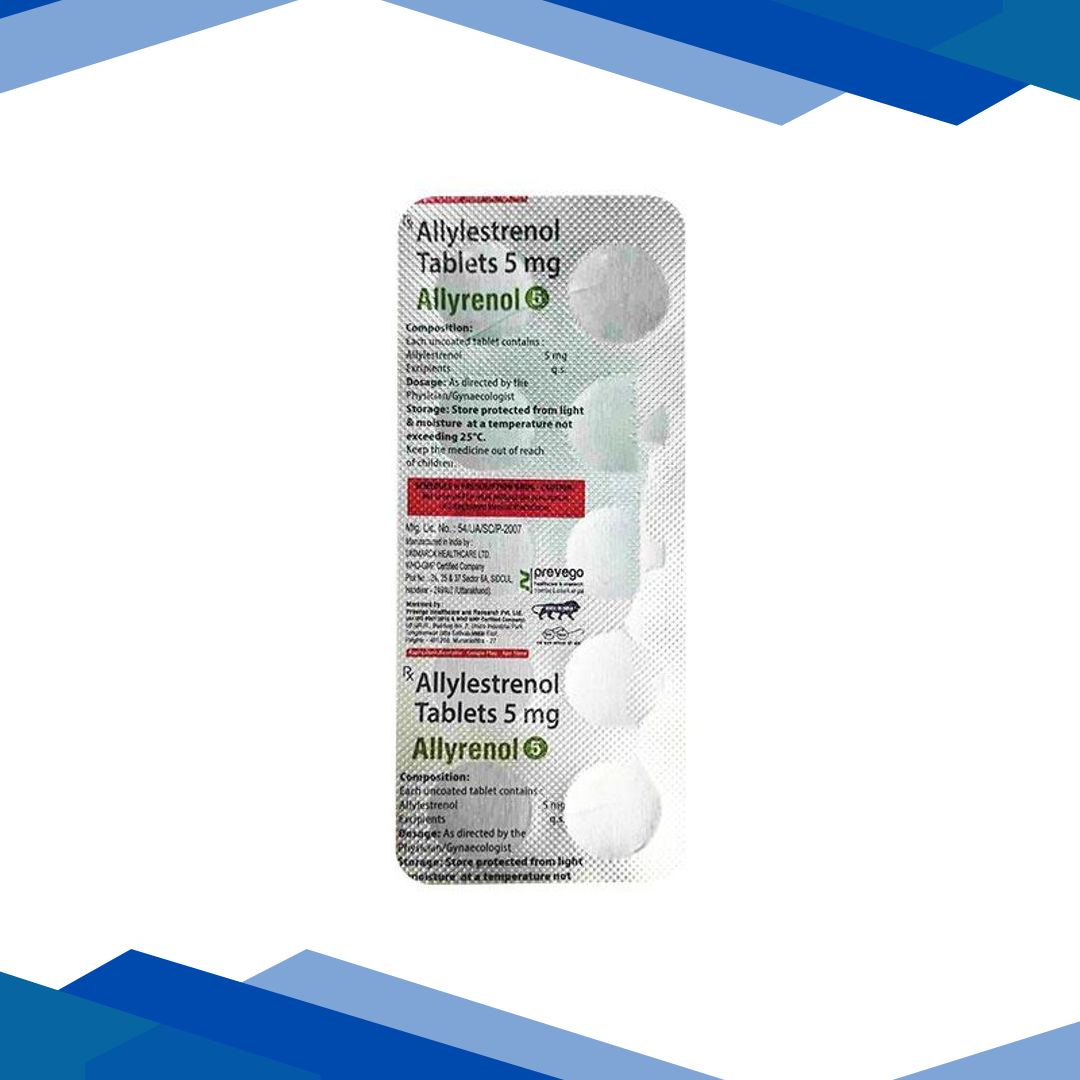
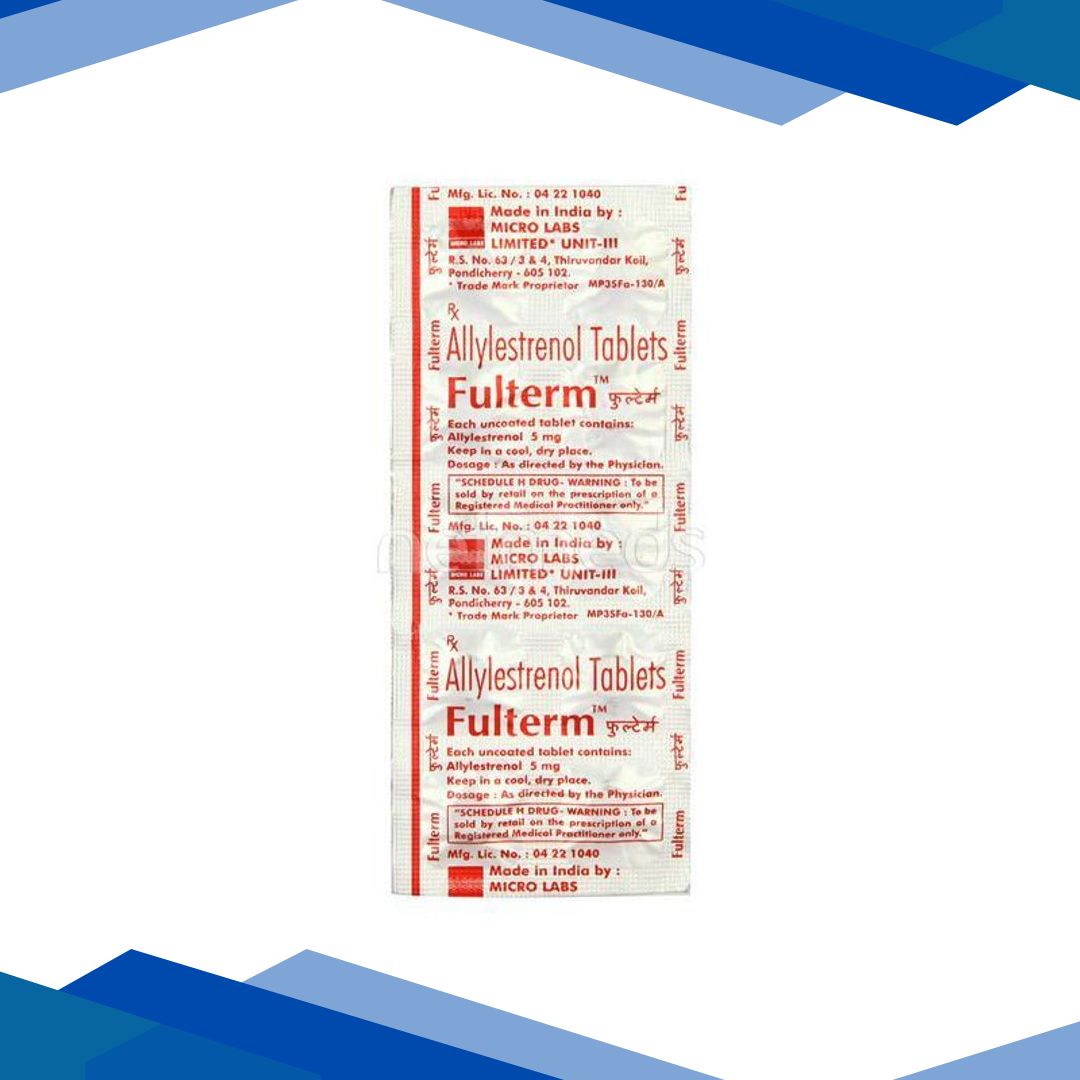
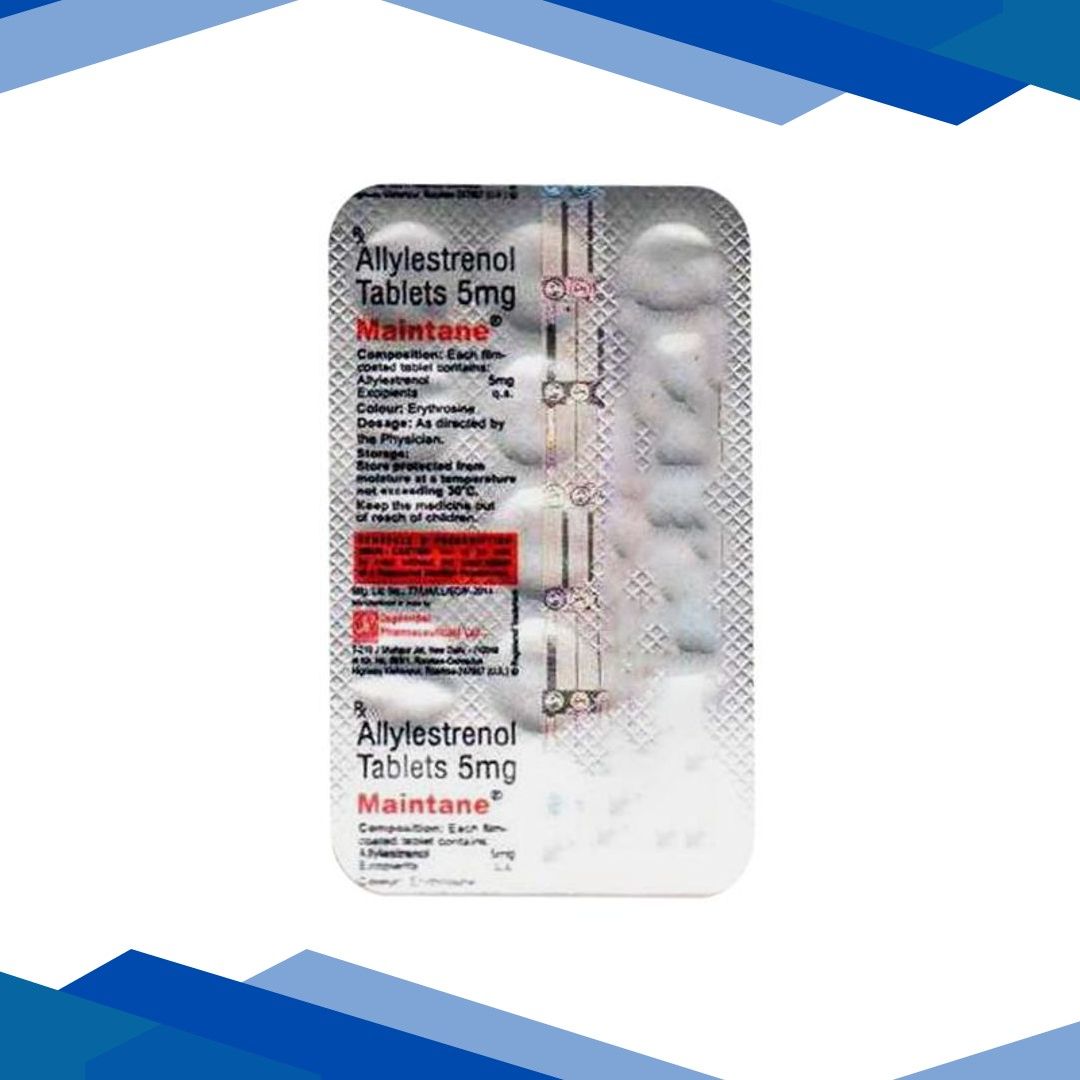
Allylestrenol Tablets Overview
Allylestrenol is a synthetic oral progestogen, meaning it behaves like progesterone, a key female hormone, and it is meant to help high-risk pregnancies stay steady. It acts as this important hormonal stabilizer, supporting the uterine environment, helping the lining of the womb get stronger, and keeping the pregnancy moving along smoothly. It is often given to women who have had pregnancy problems before, or who show early signs that a miscarriage may be starting.
Key Benefits & Uses
- Prevention of Habitual Abortion: helps protect people who have had repeated pregnancy losses, three or more in a row.
- Management of Threatened Miscarriage: works to control vaginal bleeding, spotting, and cramping, especially in the first 20 weeks.
- Prevention of Preterm Labor: helps reduce early uterine tightening and contractions, lowering the chance of delivery between 24 and 37 weeks.
- Support for Intrauterine Growth Retardation (IUGR): helps improve the uterine setting when the baby is growing more slowly than expected inside the womb.
How It Works
In a normal pregnancy, progesterone is like a chemical anchor that keeps the uterus from contracting too early and prevents tissue shedding. Allylestrenol attaches to progesterone receptors in the body, supporting embryo attachment to the womb lining, this stage often called nidation.
It also supports better blood flow toward the placenta, so the fetus gets essential nutrients. At the same time, it relaxes the uterine smooth muscle to help prevent premature labor.
Directions for Use
Administration
Take the tablet whole, with a full glass of water. Do not crush, chew, or break the tablet.
With or Without Food
You can take it with food or on an empty stomach. Still, try to keep a dependable daily timing so hormone levels stay steady.
Adherence
Finish the exact plan your obstetrician gives you. Do not stop suddenly, because abrupt stopping can contribute to heavier vaginal bleeding or make the uterine environment less stable.
Side Effects
Most women handle Allylestrenol well, because it is designed to limit the stronger androgen-like effects seen with some older synthetic hormones. Still, a few mild changes can happen.
Common Side Effects
- Nausea, occasional vomiting, or mild stomach upset
- Temporary dizziness or lightheadedness
- Mild headache or overall tiredness
- Fluid retention (edema), with small swelling in ankles or feet
- Breast tenderness or increased sensitivity
- Minor weight shifts or small localized skin rashes
Serious Side Effects (Contact Your Doctor Immediately)
- Sudden severe pain or swelling in one leg, which can indicate a blood clot
- Vision changes, blurred vision, or intense migraine-like attacks
- Strong abdominal cramping with unexpected heavy bleeding
Warnings & Precautions
Contraindication Warning
Do not use Allylestrenol if you have an incomplete abortion, active Deep Vein Thrombosis (DVT), unexplained unusual vaginal bleeding, or severe liver impairment.
Driving & Alertness
It may cause mild sleepiness or dizziness. Avoid driving or machinery until you know how the tablet affects you and your reflexes.
Pre-existing Medical Conditions
Tell your healthcare provider if you have asthma, epilepsy, migraine headaches, diabetes, or clinical depression. Progestogens can occasionally worsen these.
Breastfeeding
This medicine is intended for use during pregnancy, not for nursing. It is generally not recommended for breastfeeding mothers, since hormonal traces can reach breast milk.
Key Drug Interactions
Tell your doctor if you take anti-seizure medicines (for example carbamazepine or phenytoin) or rifampicin. These can speed up Allylestrenol breakdown in the liver, making it less effective. On the other side, some antifungals like ketoconazole may raise its levels.
Frequently Asked Questions (FAQs)
Q. Is Allylestrenol safe for the developing baby?
Yes. It has been used for decades in protecting high-risk pregnancies. Compared with some older synthetic progestins, it is more selective and generally does not lead to virilization, meaning masculine trait development in a female fetus. Still, it should be taken only with your obstetrician’s guidance and follow-up.
Q. What if I notice spotting while taking Allylestrenol?
If you are using it for a threatened miscarriage and you see new spotting or bleeding, rest right away and contact your doctor. Your clinician may order an ultrasound to check the fetal heartbeat and may revise the dose plan.
Q. Can I stop Allylestrenol after the bleeding stops, or when I feel reassured?
No. Do not stop on your own, even if symptoms fade. Your uterus still needs ongoing hormonal support to reduce relapse of contractions. Your doctor may taper the medicine slowly or tell you the safest week of pregnancy to discontinue it, often near the end of the first or second trimester, or closer to term based on your history.
Q. How can I handle the nausea from this medicine?
Nausea is common as your body adjusts to higher hormone levels. Try taking the tablet with a light, non-greasy meal, or right after eating. Smaller, more frequent meals through the day, plus good hydration, can also help calm your stomach.
Q. What is the storage instruction for these tablets?
Keep Allylestrenol tablets at controlled room temperature under 25°C. Store them in the original blister packaging, away from sunlight and excess moisture. Put it in a secure place out of reach of children and pets.