






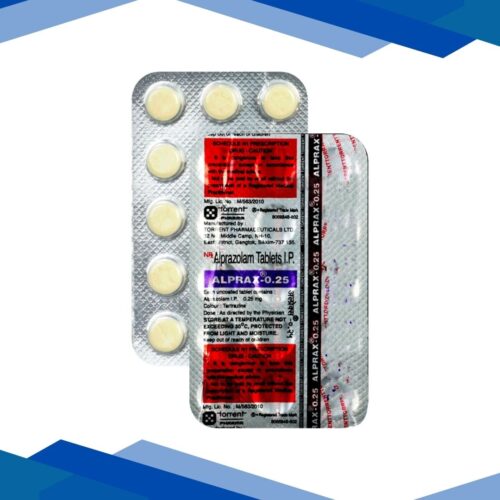
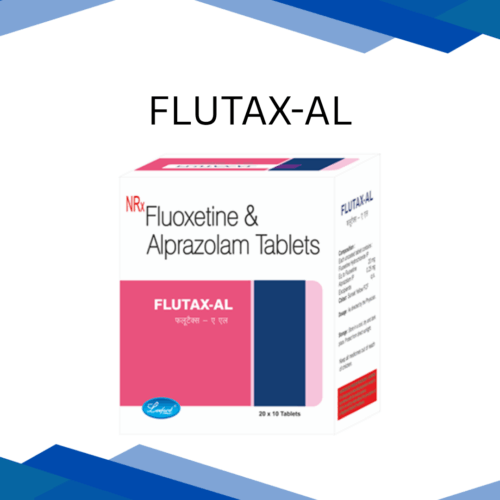
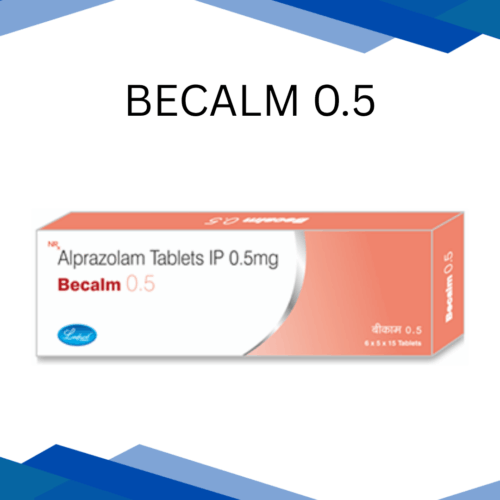
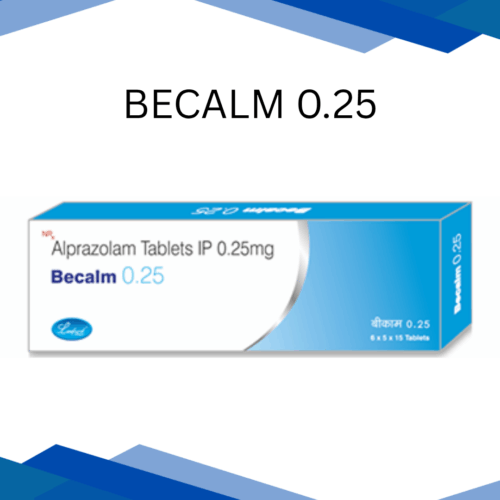
Alprazolam Tablets (Prescription Required)
Alprazolam is a potent benzodiazepine primarily prescribed for the management of anxiety disorders and panic disorder. Its action results in enhancement of gamma-aminobutyric acid (GABA) effects—producing calm in the central nervous system. Most frequently, the drug serves as a short-term medication for relieving symptoms of excessive worry, tension, and sudden attacks of intense fear.
Therapeutic Uses
Generalized Anxiety Disorder (GAD): Alleviates chronic, unrealistic anxiety and muscle tension.
Panic Disorder: Alleviates or reduces the frequency and severity of panic attacks, with or without agoraphobia.
Depression Associated with Anxiety: Relief from physical debilitation of anxiety in patients with comorbid depression.
How It Works
Alprazolam is a part of the class of medications called anxiolytics and acts on the brain to increase the activity of Gamma-Aminobutyric Acid (GABA), causing suppression of excess nerve cell activity, leading to relaxation, a diminished sense of worry, and muscle relaxation.
Directions for Use
Dosage: It must be taken exactly as prescribed by your psychiatrist or physician.
Administration: The medicine is to be swallowed whole with water. Do not crush, chew, or break the tablet unless it is a scored version meant for division.
Timing: The medication may be taken with or without food. If stomach upset occurs, taking it with a meal may help.
Common Side Effects
Common side effects reported with Alprazolam tend to be temporary and short-lived in the initial phase of treatment including:
Drowsiness or slight dizziness, slurred speech, or poor coordination, dry mouth, fatigue, or low energy, irritability, changes in appetite or weight.
Alert: Notify your doctor or seek medical assistance if you become seriously moody, have suicidal thoughts, or have severe confusion. This might be dangerous.
Extreme Cautions
Habit-Forming: It is highly habit-forming and can lead to addiction and physical dependence. The catchwords for this drug are “use for the briefest time possible.”
Alcohol Warning: Alcohol should be avoided entirely. Combining Alprazolam with alcohol can lead to dangerous levels of respiratory depression and extreme sedation.
Driving: Wait until you are quite sure you feel awake and balanced before driving, or doing any complex tasks.
Abrupt Discontinuation: Do not quit this medicine all at once. Stopping abruptly can cause severe withdrawal symptoms, including seizures, tremors, and extreme anxiety. The tapering must be done by your doctor.
Frequently Asked Questions (FAQs)
Q: Is Alprazolam a sleeping pill?
Alprazolam may make a person drowsy and sleepy due to reduced anxiety. But it works mostly as an antianxiety drug. It is not commonly used as sleep medication, except when anxiety is the cause of sleep disturbance.
Q: How long does Alprazolam take to work?
One of the key features of Alprazolam is that it acts very quickly. Most patients generally report calming effects within 30 to 60 minutes of oral administration.
Q: Can I take this medicine while pregnant?
No. Generally speaking, Alprazolam poses a risk to a fetus; this category of drugs has been labeled as Category D. Exposure to Alprazolam in pregnant women during the first trimester could potentially increase the risk of miscarriages or congenital malformations, while other individuals may present with neonatal withdrawal symptoms. It is advisable to consult a doctor for safer alternatives.
Q: What if I miss a dose?
If you forget to take a dose, take it as you remember, but never take it twice. Never talk about a “double dose”; instead try to skip your missed dose and continue from there, as it leads to higher risks of oversedation.
Q: Do painkillers influence Alprazolam?
Other painkillers like paracetamol generally are okay to use with Alprazolam. The concern lies with opioid analgesics, such as codeine or tramadol. This relatively safer combination is not associated with breathing difficulties.
Storage & Handling
Store at room temperature (20°C to 25°C) in a dry place. Keep this medication out of reach of small children and unauthorized persons. Because of potential misuse, store it in a safe place. Disposing of expired medications is suggested; any medication past its expiration date must be returned to a pharmacy for proper disposal or brought to a designated location for safe disposal.
Medical History and Current Medication: Only a qualified healthcare provider can determine whether a particular medication is appropriate for any particular patient. Thus, medical judgment should be exercised when making conciliatory decisions. The intent of this content is to offer insights that may concern and serve the interests of the readers. To the best of our ability, the information present is believed to be accurate at the time of its last update.