
Showing 1–20 of 73 resultsSorted by popularity
Filter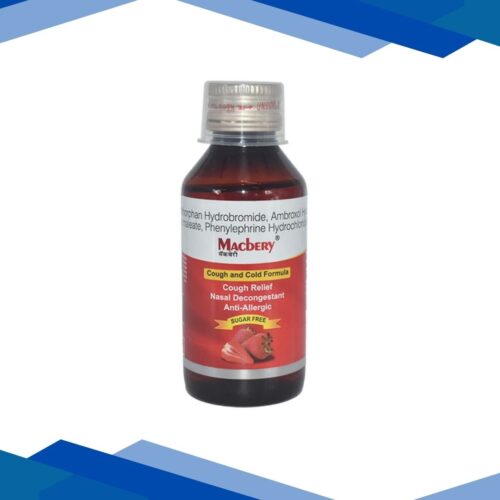
Macbery Syrup Strawberry Sugar Free
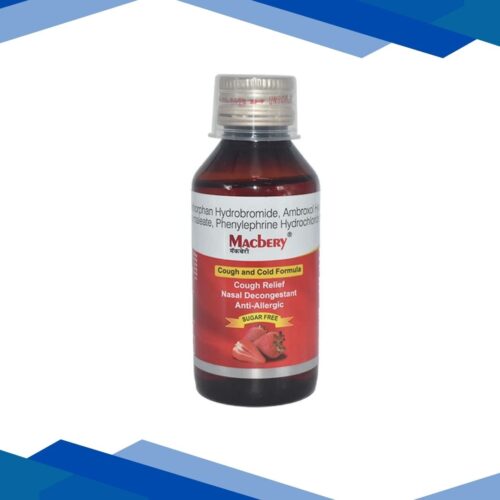
Macbery Sugar Free Syrup 100ml
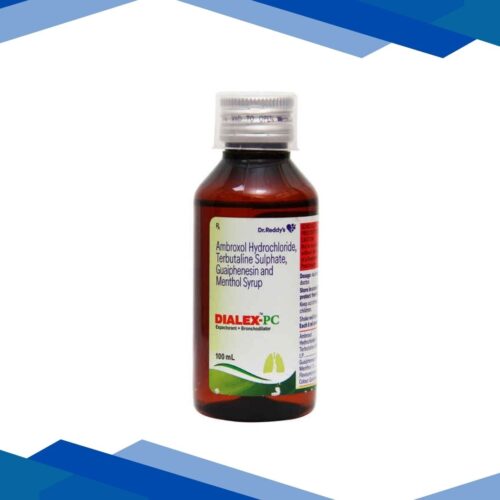
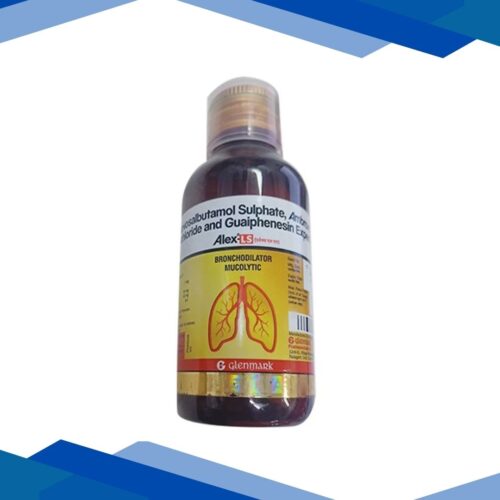
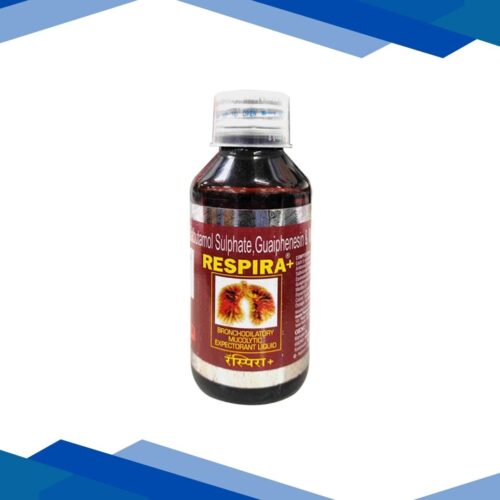
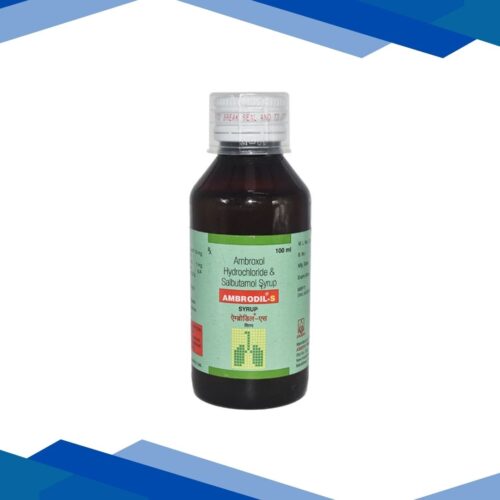
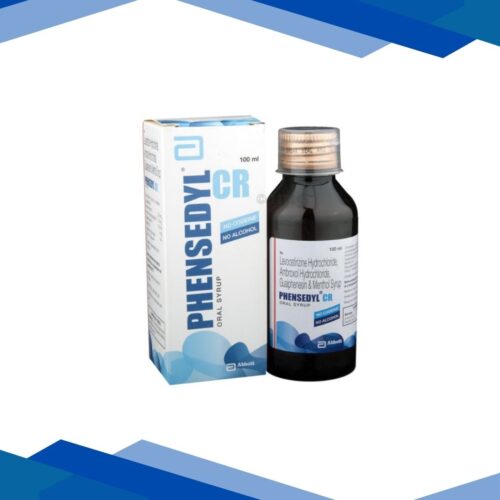
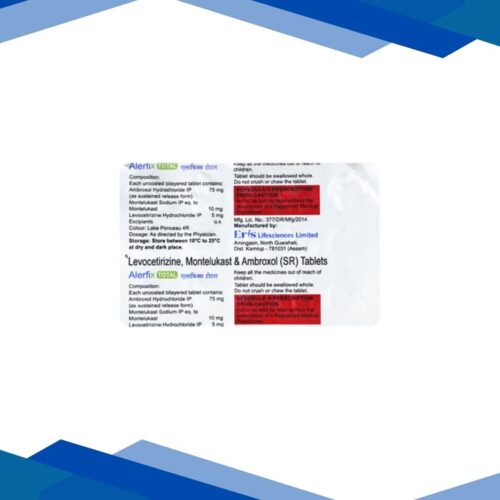
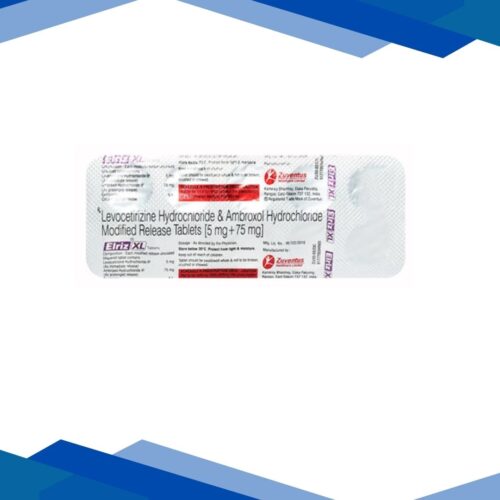
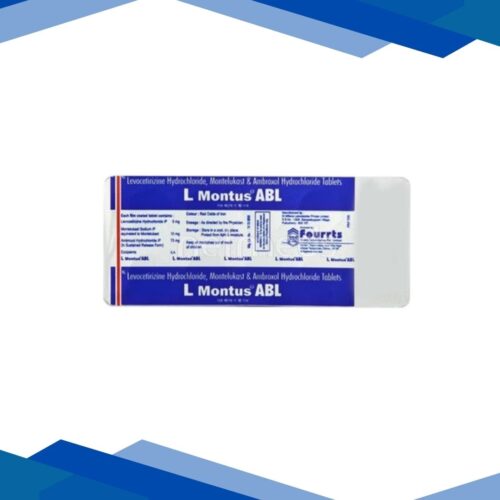
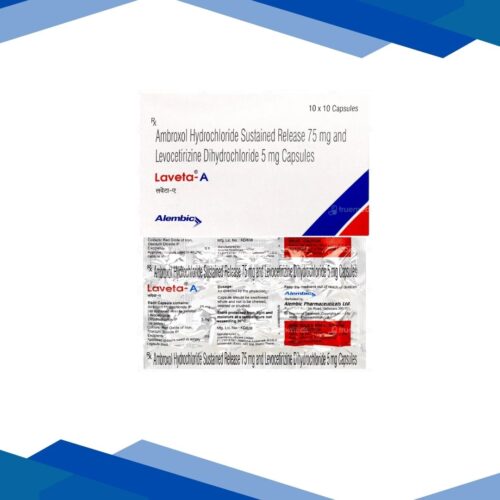
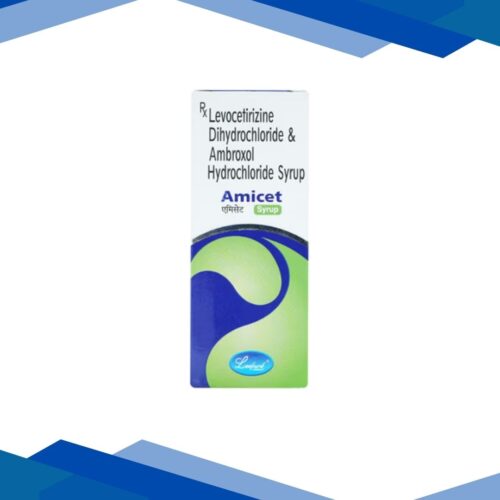
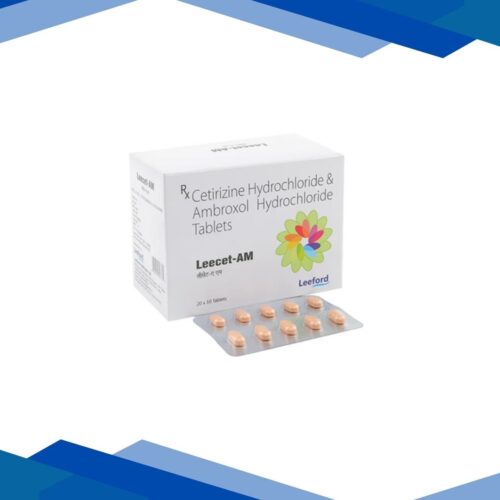
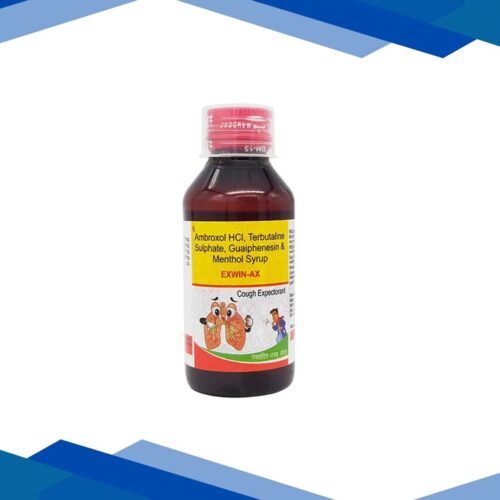
EXWIN AX COUGH Expectorant 100ml
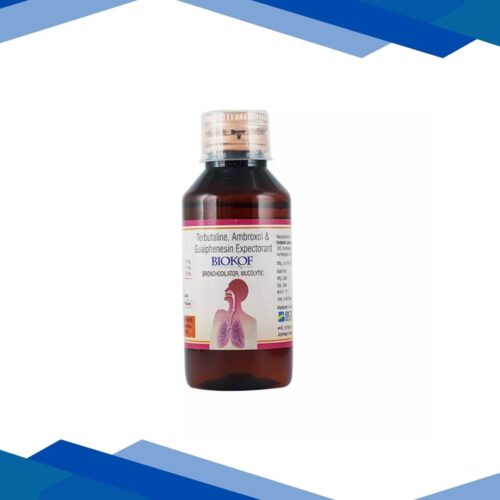
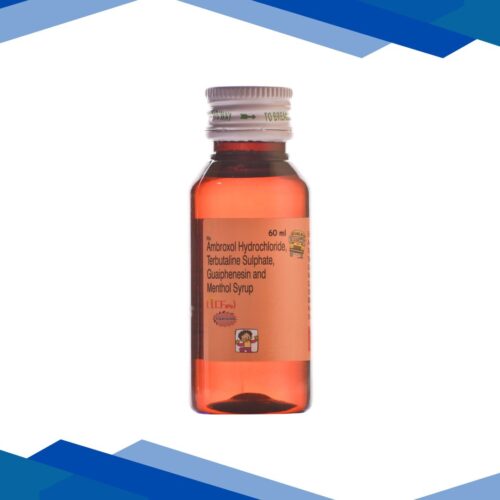
LCF Kid Expectorant Syrup 60ml
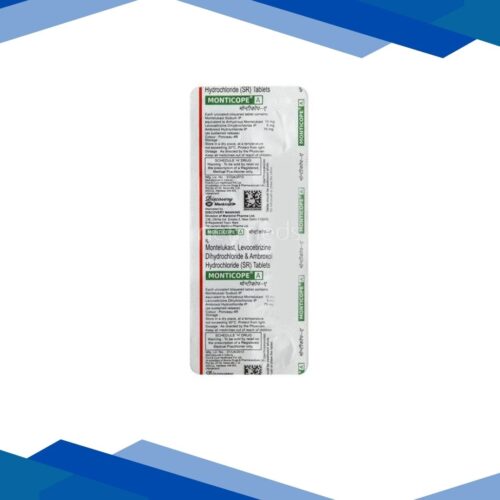
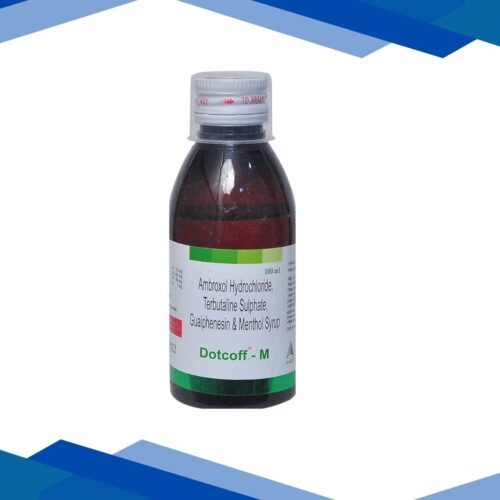
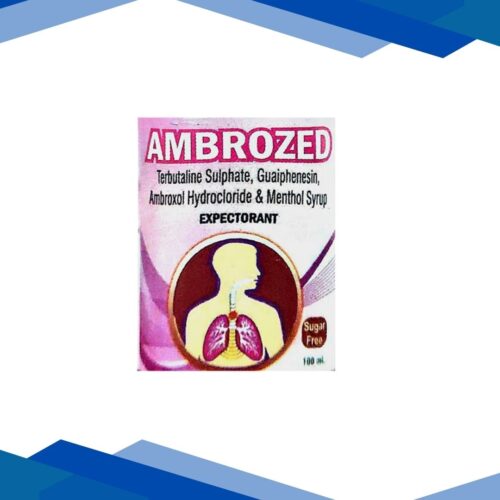
AMBROZED SUGAR FREE Expectorant 100ml
Though there are innumerable uses for Ambroxol (Tablet-30 mg / Syrup-15 mg) as a systemic mucolytic agent in treatment for numerous pulmonary diseased conditions, the generic prescription to Ambroxol extends to clearing the respiratory tract from phlegm in the airways and devoid of much mucus. This is done through the thinning and loosening of viscid mucous, that is, the mucus contained in the nasal passages, throat, and lung, making expectoration or coughing easier. This ultimately helps the airway clear and results in reduced chest congestion, with further facilitation of normal and easy breathing; so patients undergoing treatment for bronchitis, either with asthma or emphysema, can be beneficiaries.
The Primary Functions of Ambroxol:
Mucus Clearance: It dismantles the fibrous acid mucopolysaccharides in phlegm, thereby loosening the phlegm and preventing it from being stickier than before.
Symptom Relief: It quickly reduces chest congestion and the frequency of productive coughs.
Surfactant Production: Pathway for natural lung surfactant formation, thus preventing mucus from sticking to bronchial walls.
Infusion of antibiotics: When Minolax is taken with antibiotics, the levels of these antibiotics become higher in the lung tissue, for example, Amoxicillin or Erythromycin.
Anaesthetic local action: It gives comfort to a sore throat with lozenges and liquid dosage.
The Concept of Treatment
Ambroxol belongs to a group of medications called secretolytics. It augments the action of serous mucus production, while breaking up the viscosity of this mucus with a view towards the increased activity of the cilia (tiny hairlike projections on the way in your windpipe), speeding up clearance from the respiratory tract.
Dosage Information
Dosage treatment:
Adults: Usually three times a day, one 30 mg tablet, or as prescribed.
Paeds: Consider the syrup form as per body weight and age.
Administration: Always administer the tablet after eating to avoid the possibilities of stomach upset.
Form: Swallow the whole tablet with a glass of water. For syrup usage, use the provided measuring cup to get an accurate dose.
Side Effects
Despite the general tolerance, certain users may experience the following:
Mild gastrointestinal upset (nausea or heartburn)
Throat or mouth dryness
Altered sense of taste (Dysgeusia)
Rare allergic reactions (skin rash or itching)
Preventive Measures
Peptic Ulcers: Use with extreme caution if with a history of peptic ulcer as mucolytics may disrupt the protective mucus lining present in the stomach.
Kidney & Liver: Dose adjustments may be necessary for severe renal and hepatic impairment patients.
Pregnancy: Avoid in the first trimester. Notify the doctor if you are pregnant or breastfeeding.
Stevens-Johnson Syndrome: Extremely unlikely though, you need to see a doctor urgently in case of severe skin rashes and blisters.
Frequently Asked Questions (FAQs)
Q: Ambroxol is used to treat a dry cough, yes?
No, Ambroxol is indicated only for the productive (wet) cough class; when there is mucus presence. For the dry, hacking cough without phlegm, typically a cough suppressant or antitussive is recommended.
Q: How Soon Will I See Results?
Most people will start feeling relief from chest congestion within 30 minutes of swallowing a dose. However, to clear the deep-seated mucus, it takes a matter of about 2 to 3 days of consistent use for the full effect.
Q: Can I take Ambroxol with antibiotics?
Yes, Ambroxol is taken with antibiotics. In fact, it is often prescribed in conjunction with antibiotics because it helps the drug in penetrating bronchial secretions, thus rendering the infection treatment more effective.
Q: What should I do if I miss a dose?
Take the missed dose as soon as you remember. If it is almost time for your next dose, wait and take the next dose. Do not make up the dose you missed by taking more than one dose at a time.
Q: Can I drink alcohol while taking this medicine?
While there are no known direct interactions with alcohol, it is strongly advisable to avoid alcohol during the course of respiratory infections to prevent dehydration and let the immune system work faster.