
Showing 1–20 of 73 resultsSorted by popularity
Filter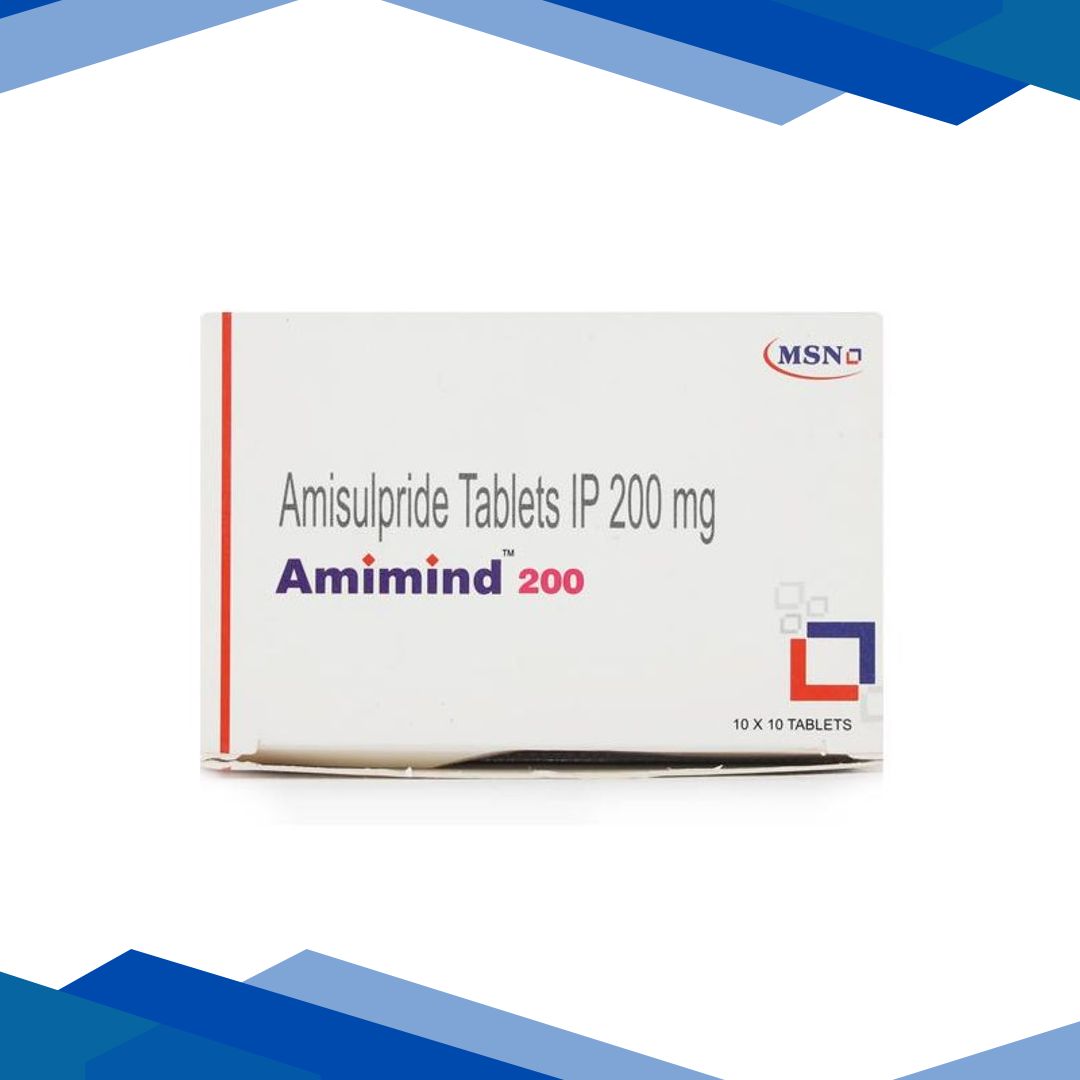
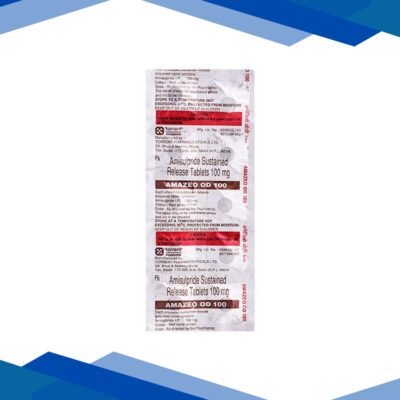
Amazeo OD 100mg Tablet 10’S
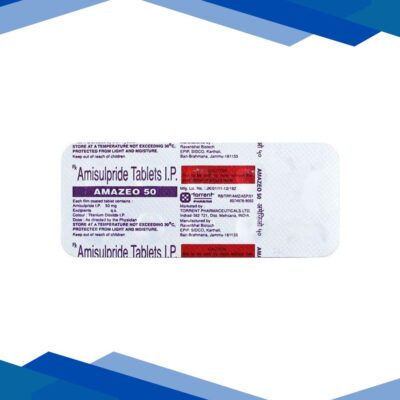
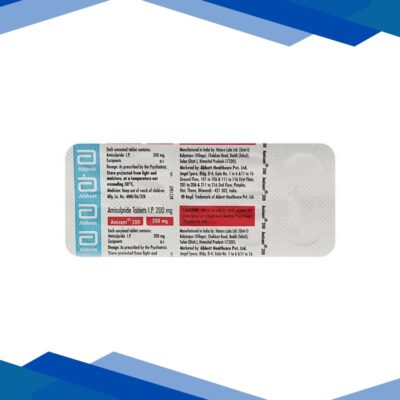
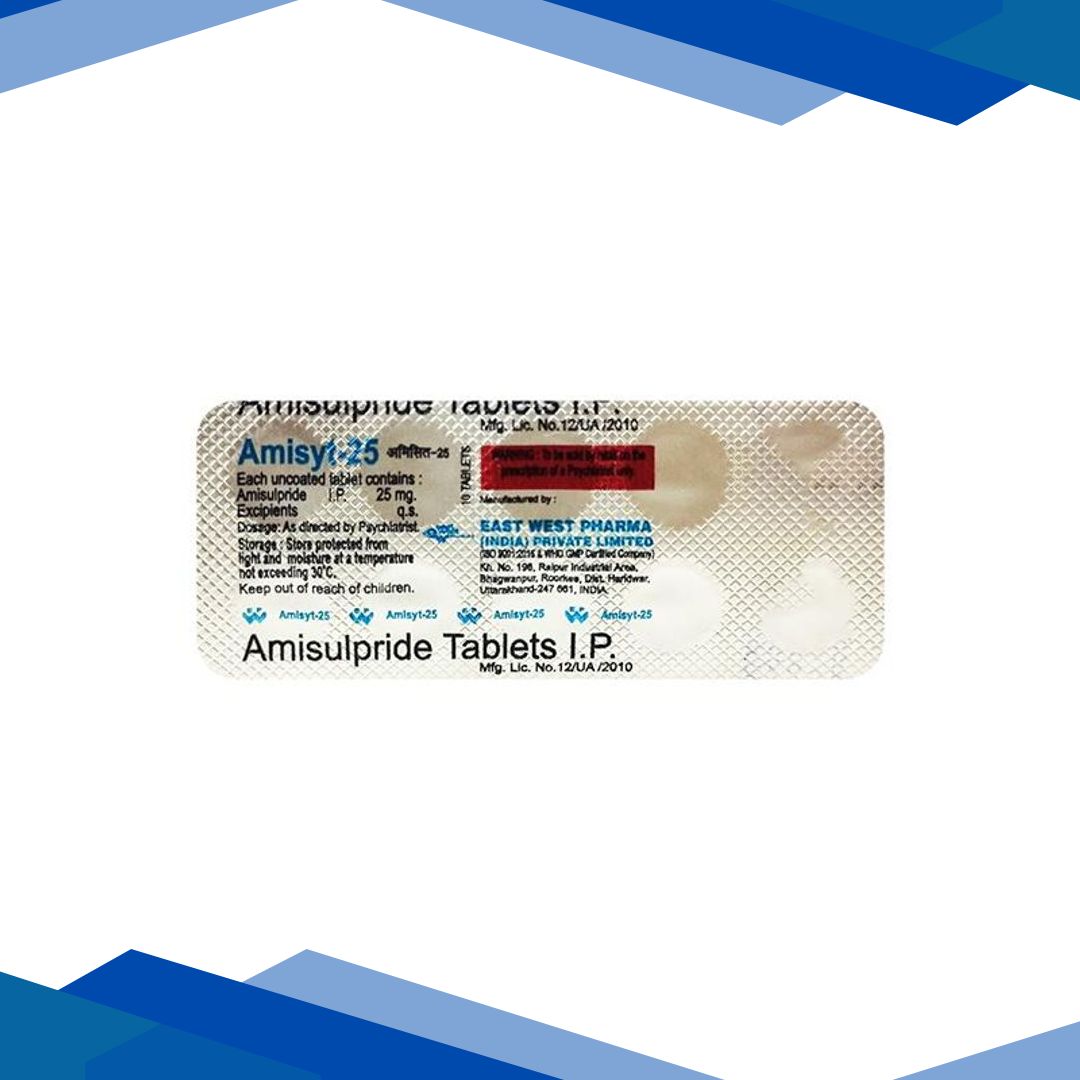

Amipride 100mg Tablet 10’S

Amipride 200mg Tablet 10’S

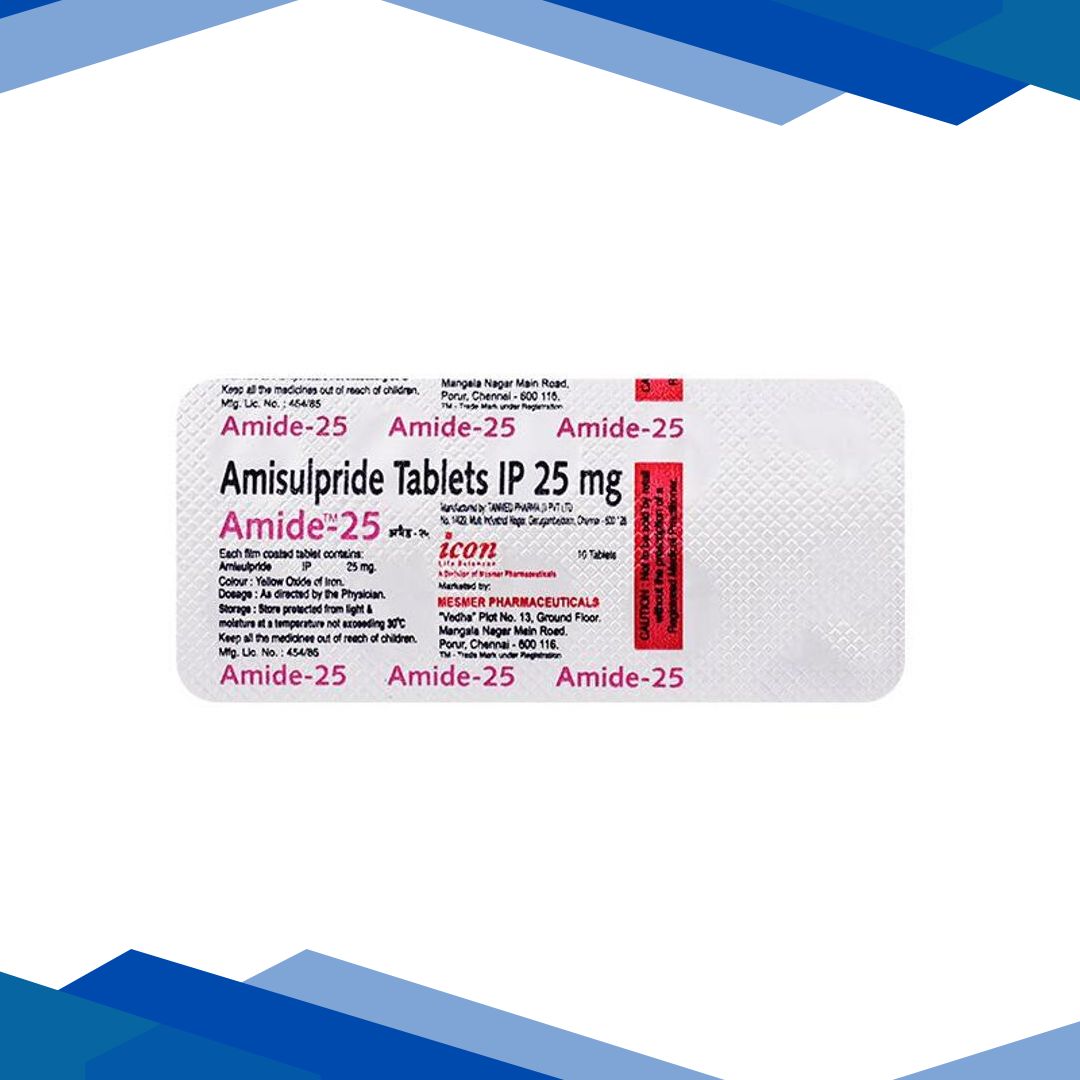
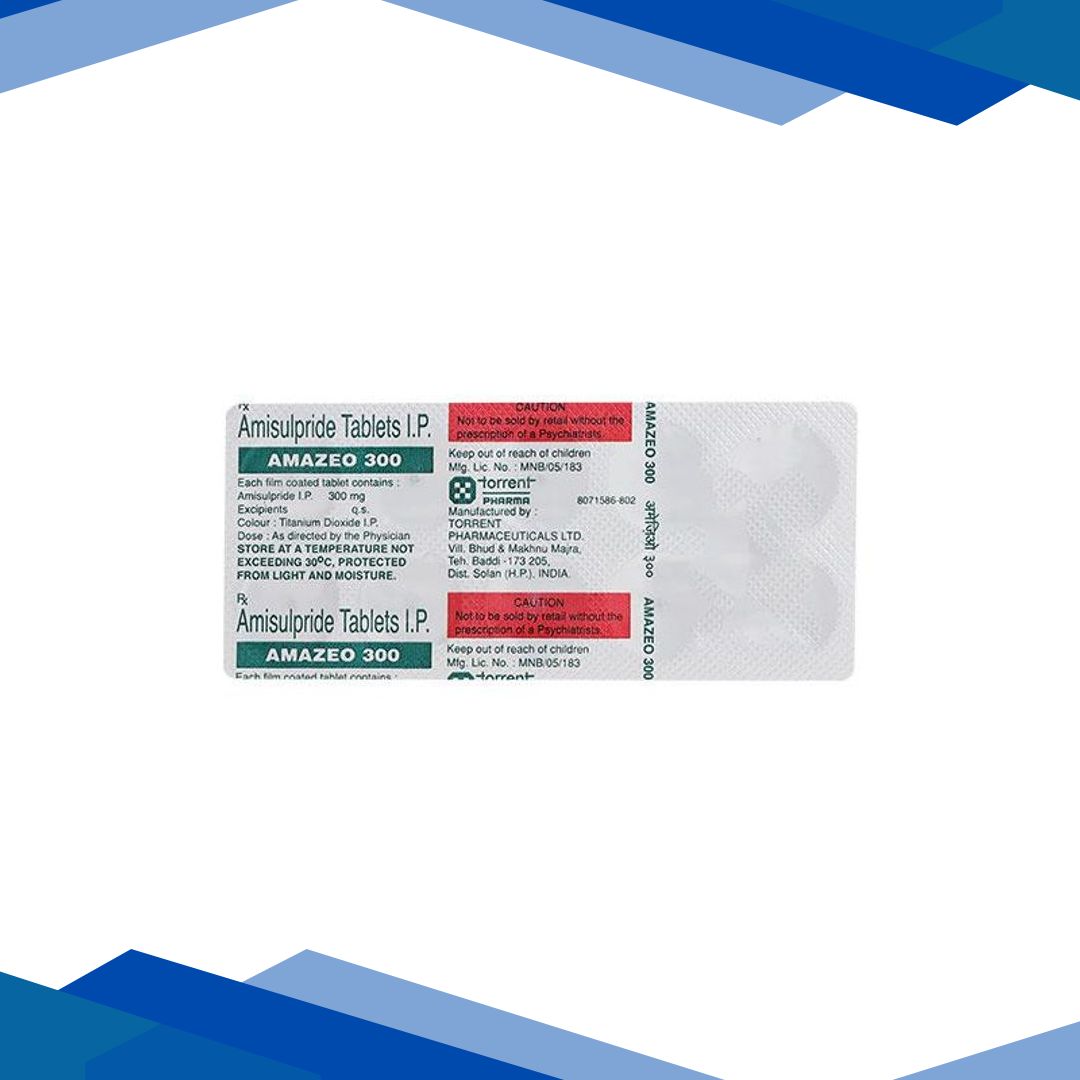
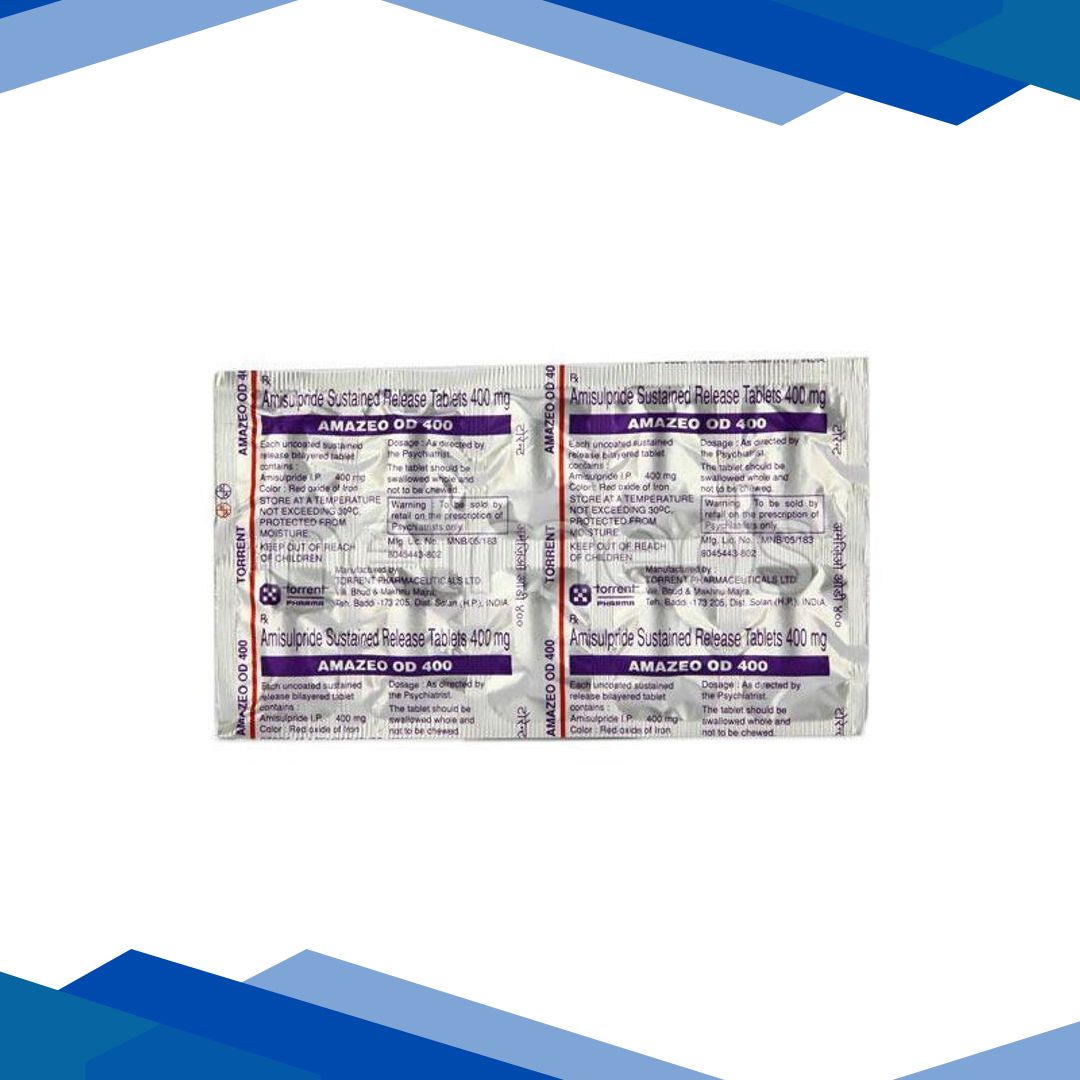
Amazeo OD 400mg Tablet 10’S
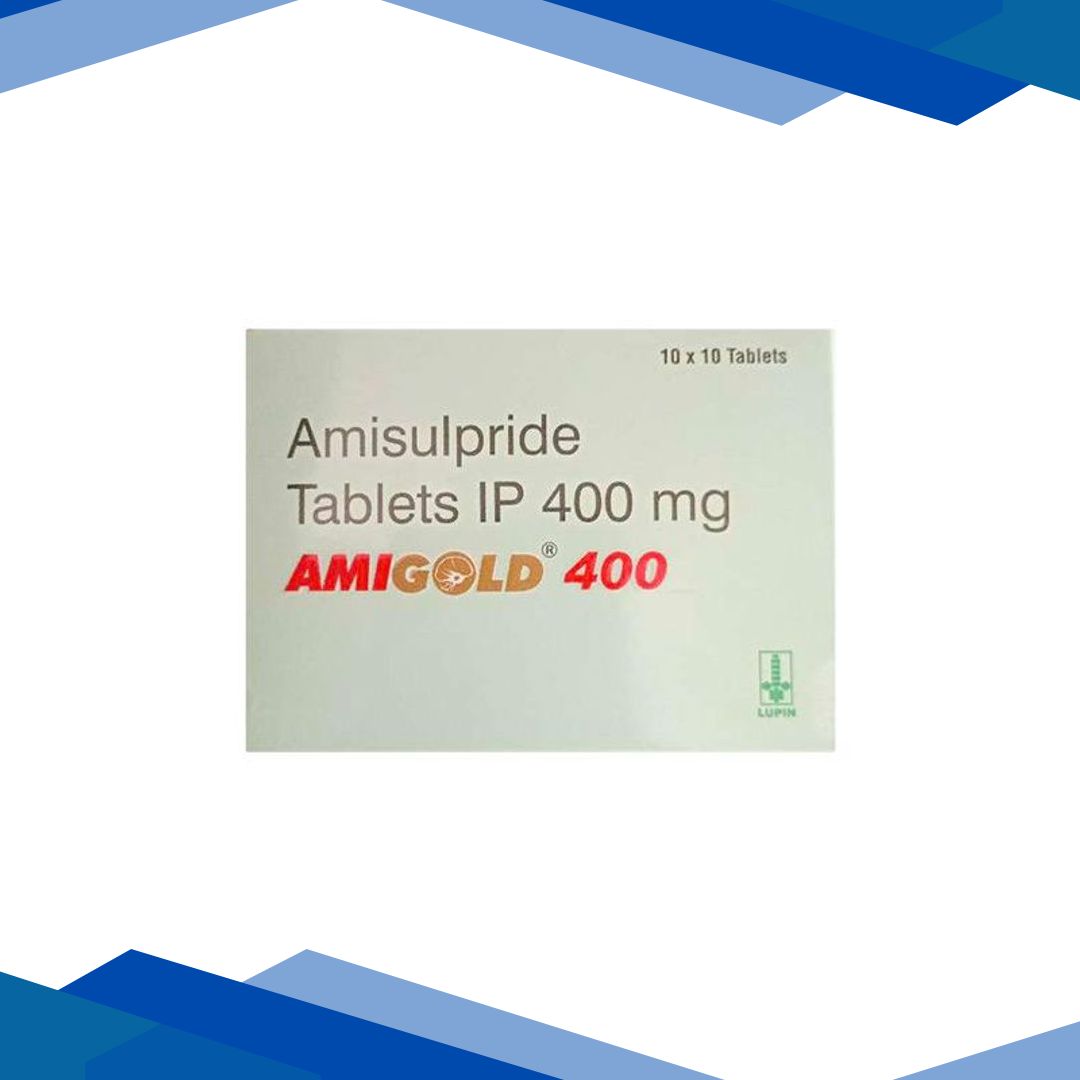
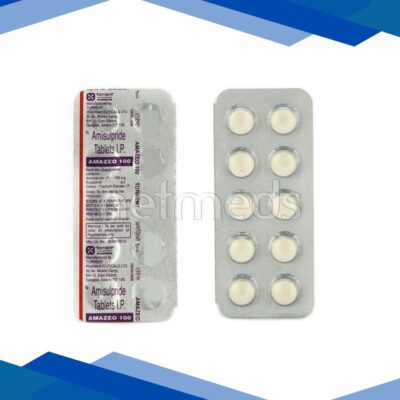
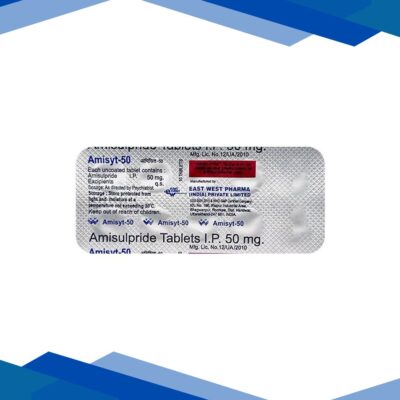
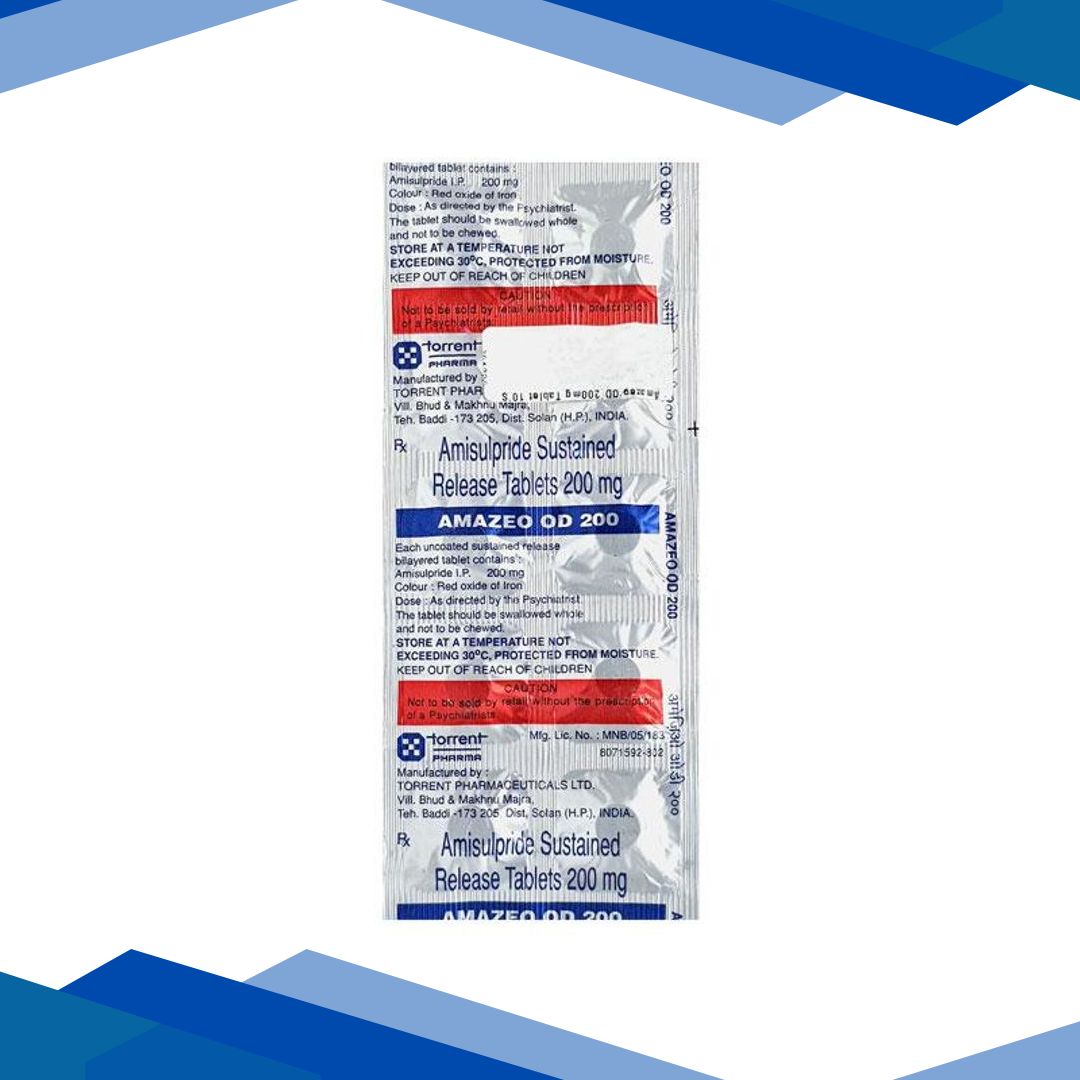
Amazeo OD 200mg Tablet 10’S
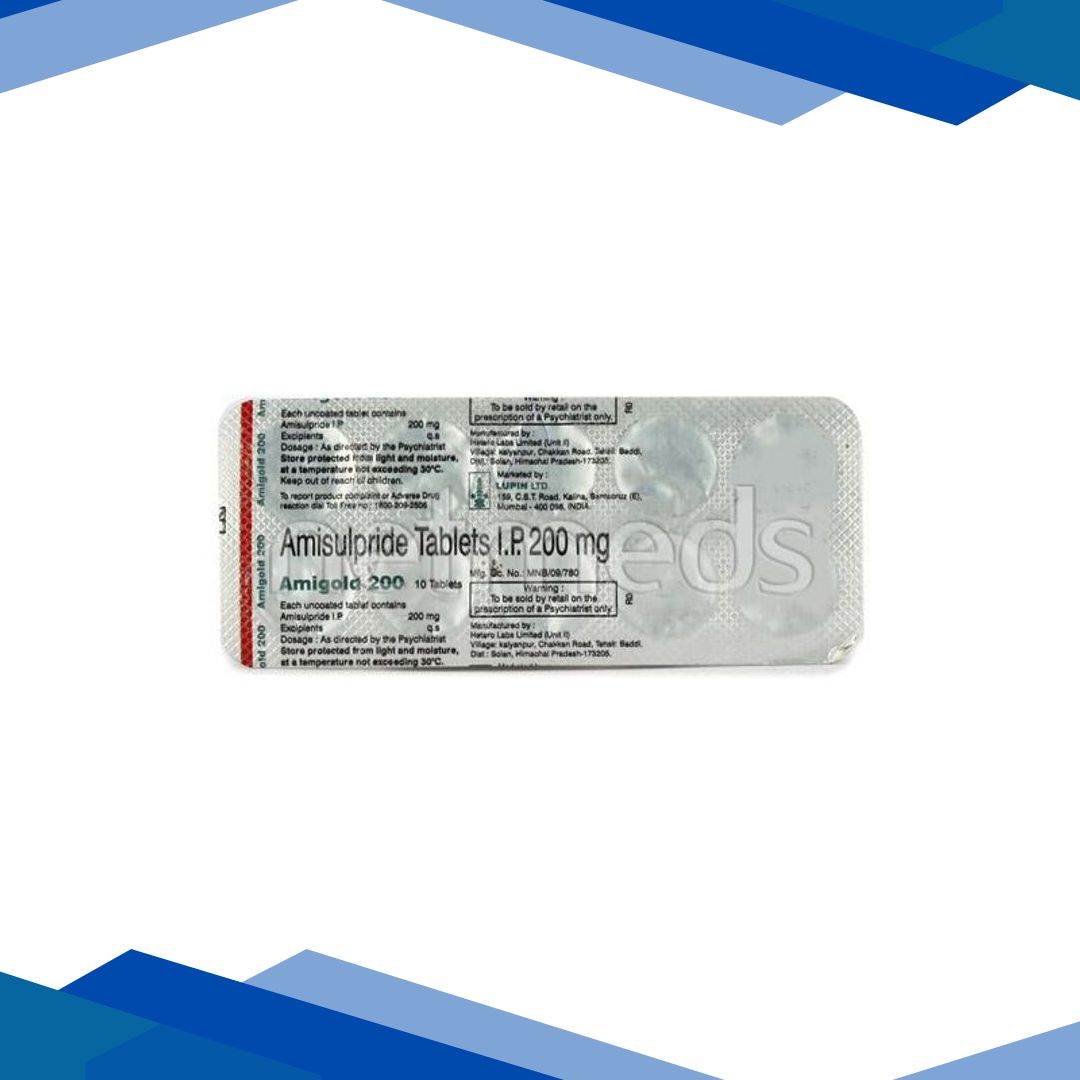
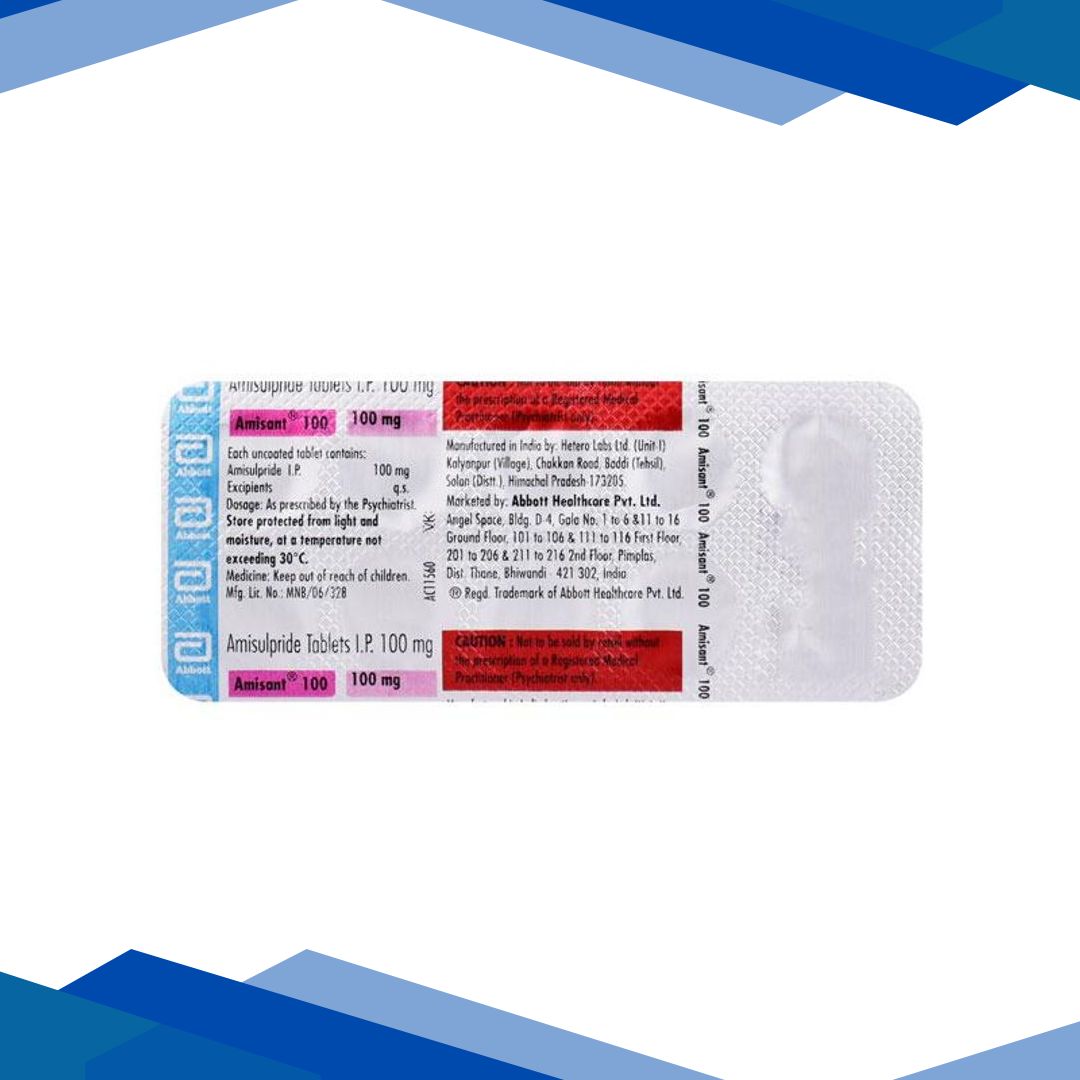
Amisulpride Tablets
Amisulpride is a powerful antipsychotic but atypical agent belonging to the substituted benzamide class. The notable medication in the foreground is the treatment of Schizophrenia-types of mental illness with hallucinations, delusions and cognitive impairment. Unlike other antipsychotics, this one works through its unique mechanism called “dual action.” Low-dose regimen is used for the treatment of negative symptoms, like attribution to social withdrawal and emotional lack, whereas higher doses may be useful in targeting certain manifestations of positive psychotic disorders, such as distorted-thinking and auditory hallucinations. These high doses are also used in schizotypal personality disorders.
Therapeutic Indications
Acute and Chronic Schizophrenia: An effective means to address severe mental disorder resulting in deranging thoughts and behavior.
Psychosis Treatment: Lessening the severity of delusions and hallucinations.
Supporting the Loss of Negative Symptoms: Assistance is provided in counteracting the progressive negative signs of apathy, emotional flatness, and social withdrawal.
Post-Operative Recovery: Low doses of IV formulations of amisulpride may be used for surgery-induced vomiting and nausea.
How It Works
Selective modulation at dopaminergic (D2 and D3) receptors happens within the brain owing to the pharmacologic activity of the drug.
Dopaminergic Equilibrium: By blocking the hyperactivity of those dopamine signals within the limbic structures, it brings down the intensity of psychotic episodes.
Disinhibitory Action: The drug contributes to arousal and alertness by increasing the release of dopamine in specific areas, helping balance both negative and positive psychotic symptoms.
Correct Dosage Manual
Just as what the doctor tells one, strictly follow the prescribed doses. Good response and adjusting doses at every juncture characterize the therapy.
Timing flexibility is a lot dependent on the dose size and varies considerably. Normally, doses are given in a single dosage up to 300 mg per day, while higher dosages are to be split into two (morning and evening) doses.
Consistency: A greater guarantee over drug concentration may be observed when the drug intake is at the same time each day.
Administration: May be taken with water; do not crush or split the tablet.
Side Effects
Most side effects can be managed and will lessen as you get used to the drug:
Drowsiness or dizziness
Weight gain and increased appetite
Dry mouth or blurred vision
Insomnia (sleeplessness)
High prolactin levels (may cause breast tenderness and anomalies in menstrual periods)
Involuntary movement of muscles (dystonia)
Precautions and Safety Advice
Alcohol: A poorly tolerated combination; avoid alcohol intake to minimize dizziness and sedation while under this medication.
Driving: Do not drive or engage in activities that require full attention until you are aware of how Amisulpride affects your attentiveness and coordination.
Rise Slowly: To avoid fainting or dizziness from postural hypotension, rise slowly when getting out of a sitting or lying position.
Pregnancy & Breastfeeding: It is not recommended during pregnancy unless clearly indicated. Breastfeeding is generally not advised with this drug.
Heart Health: Report to your physician any history of heart rhythm disturbances or if you are on other heart medications.
Frequent Pointed Queries (FPQs)
Q: Is Amisulpride a sleep aid?
No; Amisulpride is not a sedative or sleeping pill. It is a powerful antipsychotic whose common adverse effect is sedation, primarily for balancing brain chemicals that affect thought and behavior.
Q: Can I stop Amisulpride if I feel better?
No. Sudden discontinuation of amisulpride might manifest “rebound” or withdrawal symptoms such as serious nausea or restlessness. Always reduce the dosage gradually under a clinician’s supervision.
Q: How long will it normally take for me to feel better with Amisulpride?
Full therapeutic benefits typically take 2 to 4 weeks to completely materialize in thought processes and social behavior, although some individuals may notice early improvements sooner.
Q: Can Amisulpride make me gain weight?
Yes, weight gain is a known adverse effect of many atypical antipsychotics, including Amisulpride. Regular exercise and a balanced diet can help manage this.
Q: Will Amisulpride help with anxiety disorder?
Amisulpride is not commonly prescribed for primary anxiety disorders. In some cases, it may even contribute to anxiety as a side effect. Always consult your doctor for proper evaluation and treatment.