

Showing the single result
Filter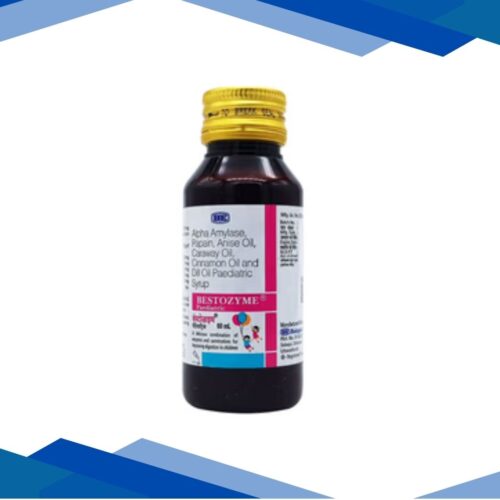
Bestozyme Paediatric Syrup 60ml
Anise Oil (Pimpinella anisum) – Aromatherapeutic Grade
The Anise Oil is a very strong essential oil obtained from the seeds of the Pimpinella anisum by distillation with steam. It is popular with its aroma of licorice; it is widely feathered in traditional and modern pharmaceuticals due to its strong carminative, expectorant, and antispasmodic actions. The oil is considered as precious for its many uses in the relief of gastrointestinal complaints and pathologic forms of respiratory congestion.
Quick Facts
Exclusive Features
Detailed Clinical Product
Quick Facts
Botanical Source-Family: Pimpinella anisum (Linn); Passifloraceae.
Active Compound: Trans-Anethole (usually more than 80%).
Therapeutic Class: Carminative / Expectorant / Antispasmodic.
Primary Uses: Dyspepsia, cough, flatulence, menstrual cramps.
Constitution: 100% Pure, Cold-pressed, or Steam-distilled oil.
Pharmacological Actions: How does Anise Oil work?
The pharmacological benefits of Anise Oil are assigned mainly to Anethole gas.
Gastrointestinal Care: By relieving spasm of digestive tract muscles, curvature to the passage of gas, and relaxations of intestine spasm and cramps.
As a Mucolytic: Helps to fluidize phlegm in respiratory tract for easy expectoration by appropriate productive coughing.
Due to the chemical structure of anethole, it is able to mildly mimic estrogenic action and therefore has been used historically to increase lactation and ease menstrual discomfort.
Principle Benefits
Alleviating of Gastrointestinal Conditions: Quick to eradicate bloating, dyspepsia, and that heavy feeling in the stomach post-meal.
Relieving Respiratory Conditions: Alleviates the symptoms of bronchitis and bronchia asthma as it calms the trachea and clears congestion.
Infection Controlling: Anise Oil shows significant inhibitory effect on specific types of bacteria and fungi, therefore promoting overall beneficial probiotic balance.
Topical Pain Relief: It helps improve the local circulation when applied to the skin by dilution against muscular aches, arthritis pains, and similar conditions.
Recommended Dosage
Dilution in water or tea: Heat up by mixing 1–2 drops in a glass of warm water, or drink into tea.
Aromatic Manipulation: Inhale by adding in steaming water 3–5 drops to aid in nasal clearance for inhalation and sinusitis relief.
Topical Application: Prior to application to skin, it has to be diluted with a carrier oil (e.g. Coconut or Almond oil) at a 1:10 ratio.
Precations and Safety Information
Pediatric Warning: The application of anise oil on dejectedly diluted or undiluted babies could lead to serious toxicological symptoms; thus, its cautionary application would be under strict monitor. Although being a traditional remedy for colic, higher doses usually cause neurotoxicity in very small children, so it should be discussed by your pediatrician.
Allergy Check: Cross-labelling allergy may occur if hypersensitivity to plants from the Apiacea family (like fennel, celery, or cumin) is observed.
Hormone Sensitivity: As Anise Oil could predispose to estrogen-related health conditions, those with any hormonally sensitive health condition (especially breast cancer and endometriosis) should also avoid extended use of this oil, except on doctor Darshan.
Pure Form: Never apply undiluted (neat) oil directly to mucous membranes or sensitive skin areas.
Frequently Asked Questions
Q: Are Anise Oil and Star Anise Oil one of the same?
A: Absolutely not! Though they have an anethole scent, Anise comes from Pimpinella anisum, and Star Anise comes from Illicium verum. True Anise Oil has a more subtle aroma perfect for cooking and a refined therapeutic design for internal applications.
Q: Can I give Anise Oil by mouth for baby’s colic?
A: While Anise is used in Gripe Water, we highly advise that you should not use pure essential oil to babies. The constituents are far too concentrated for immature bodies. Please do use a pediatric-approved formula.
Q: Does the oil help with breastfeeding?
A: In the past, it was used to promote milk production; however, due to a perceived potential risk for passing active compounds back into breast-milk, only minute amounts should be used, and only after seeking medical advice.
Q: Why is my a solid in the bottle?
A: Your product is of good quality! Pure Anise Oil has a high freezing point and will become “crystallized” at temperatures below $15^\circ\text{C}$ ($59^\circ\text{F}$). Just slightly agitate it using the warmth of your hands.v