
Showing 1–20 of 434 resultsSorted by popularity
Filter

ATCHOL GOLD 40 Capsule 10’s
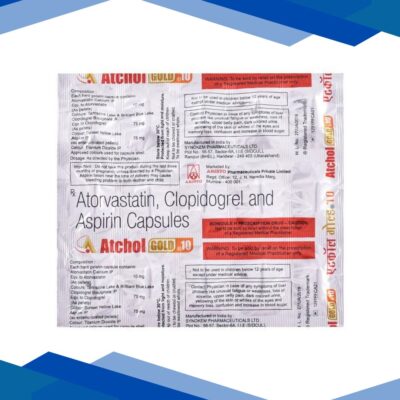
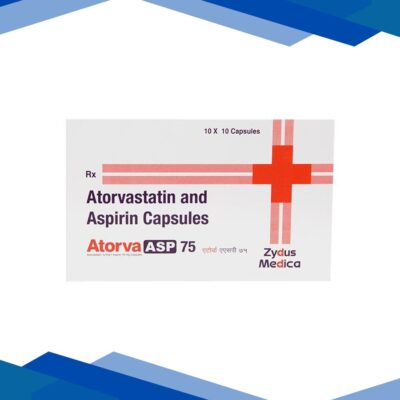
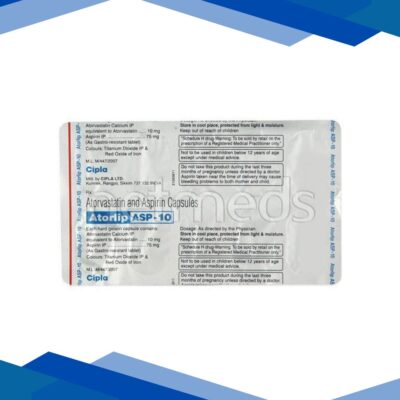
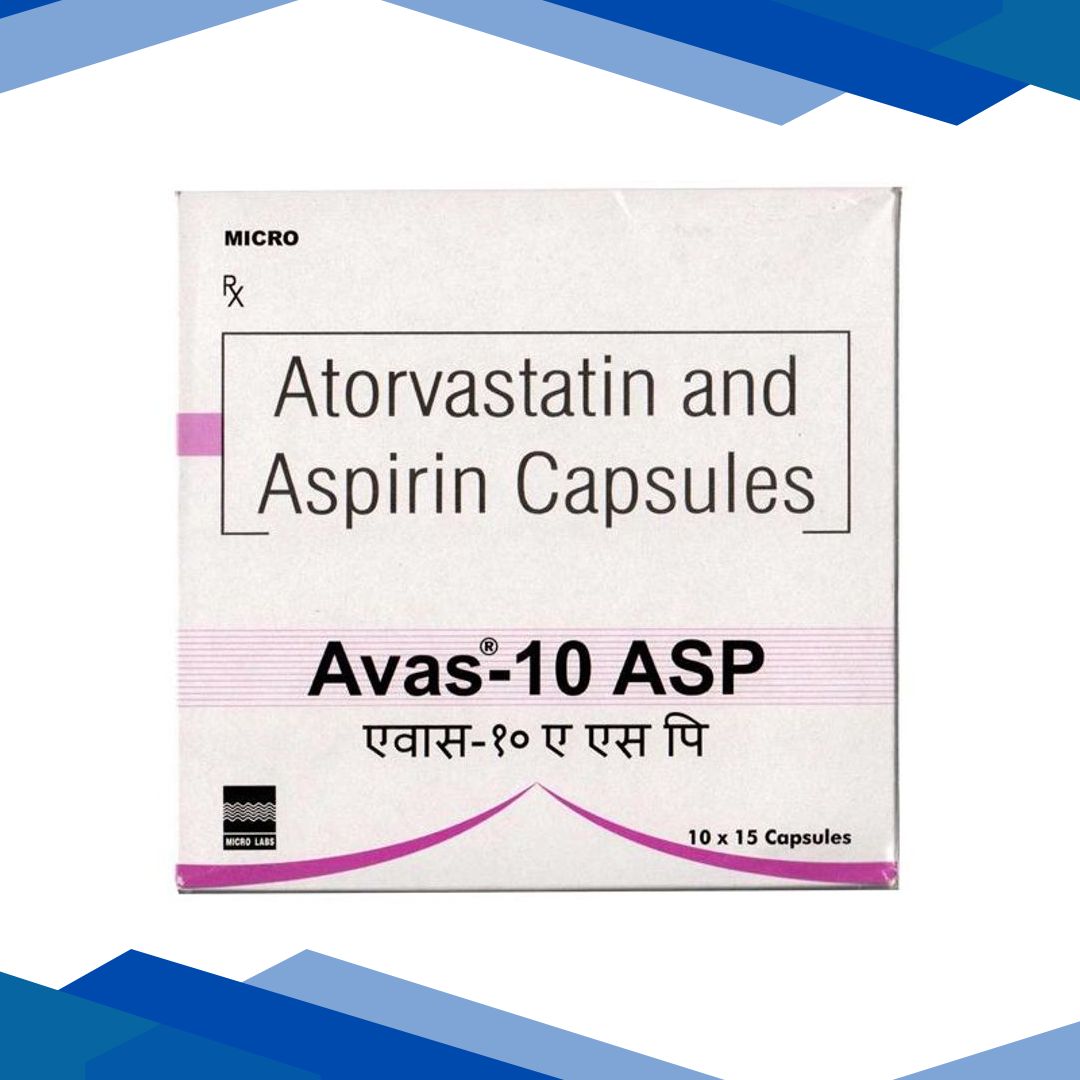
Atorlip Asp 10mg Capsule 10’S
ATORFIT CV GOLD 10 Capsule 15’s
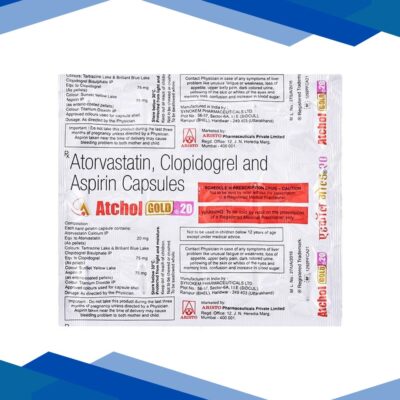
ATCHOL ASP 150mg Capsule 10’S
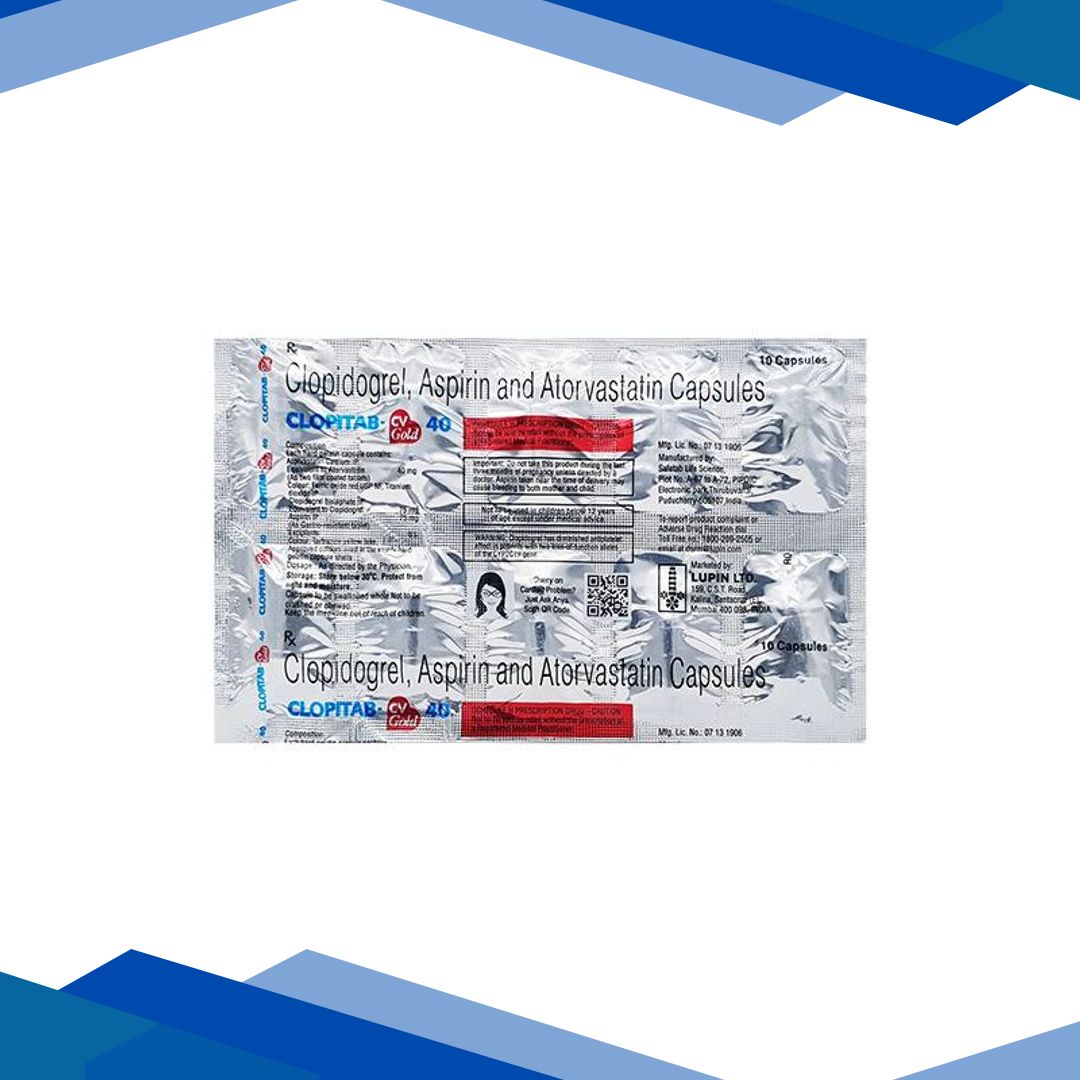
CLOPITAB CV GOLD 40 Capsule 10’s
Deplatt CV 20mg Capsule 10’S
CARDIOZEN ASP 10 Capsule 10’s
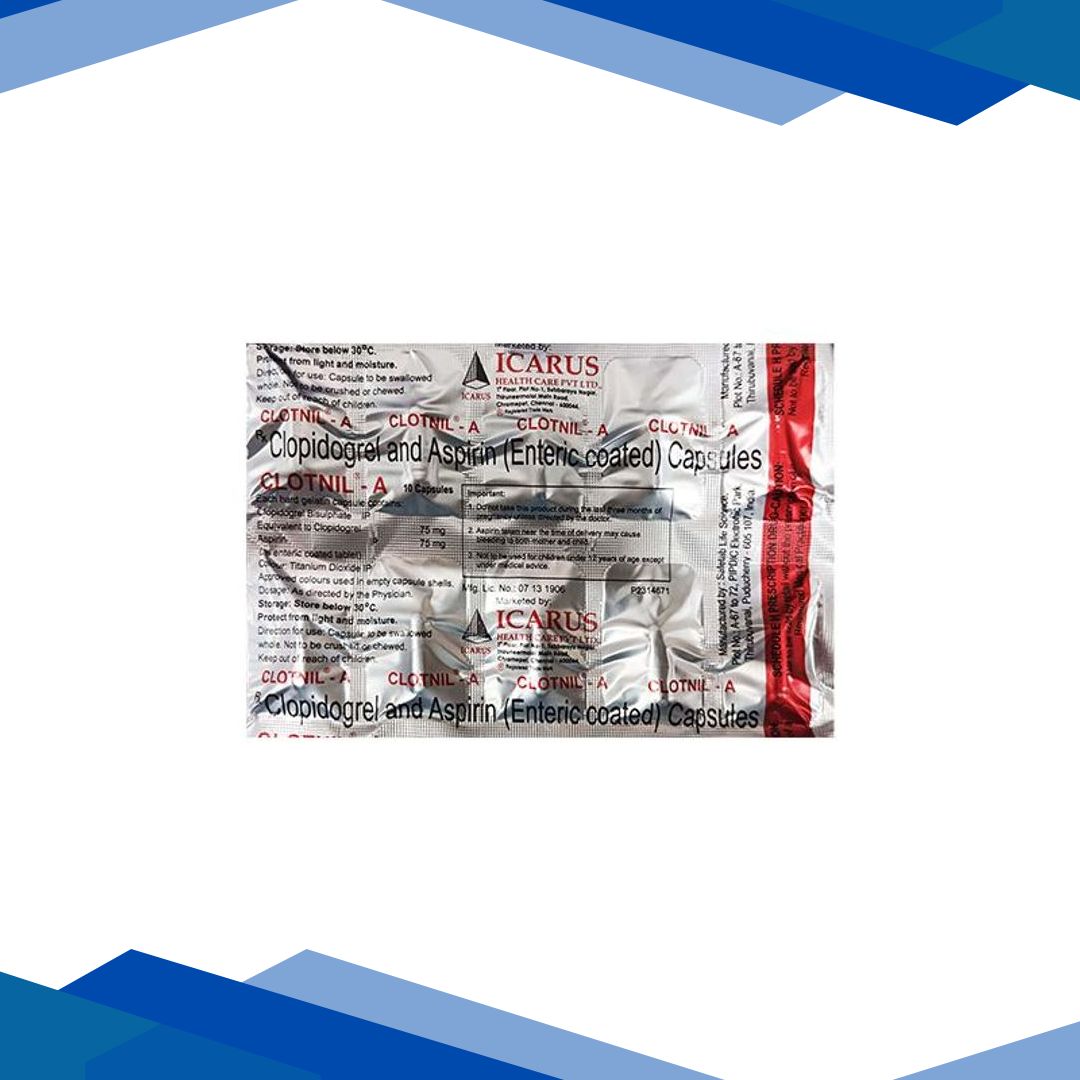
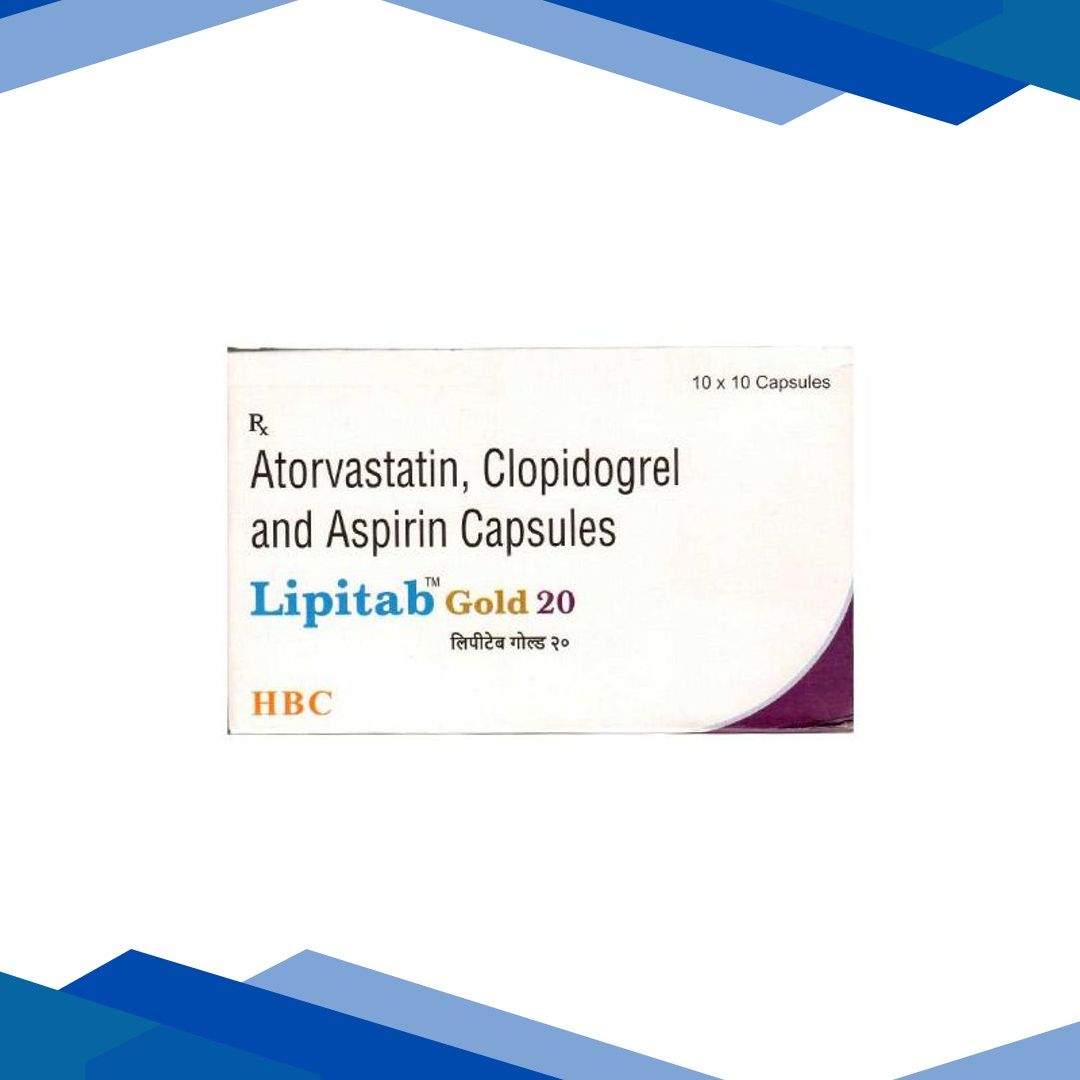
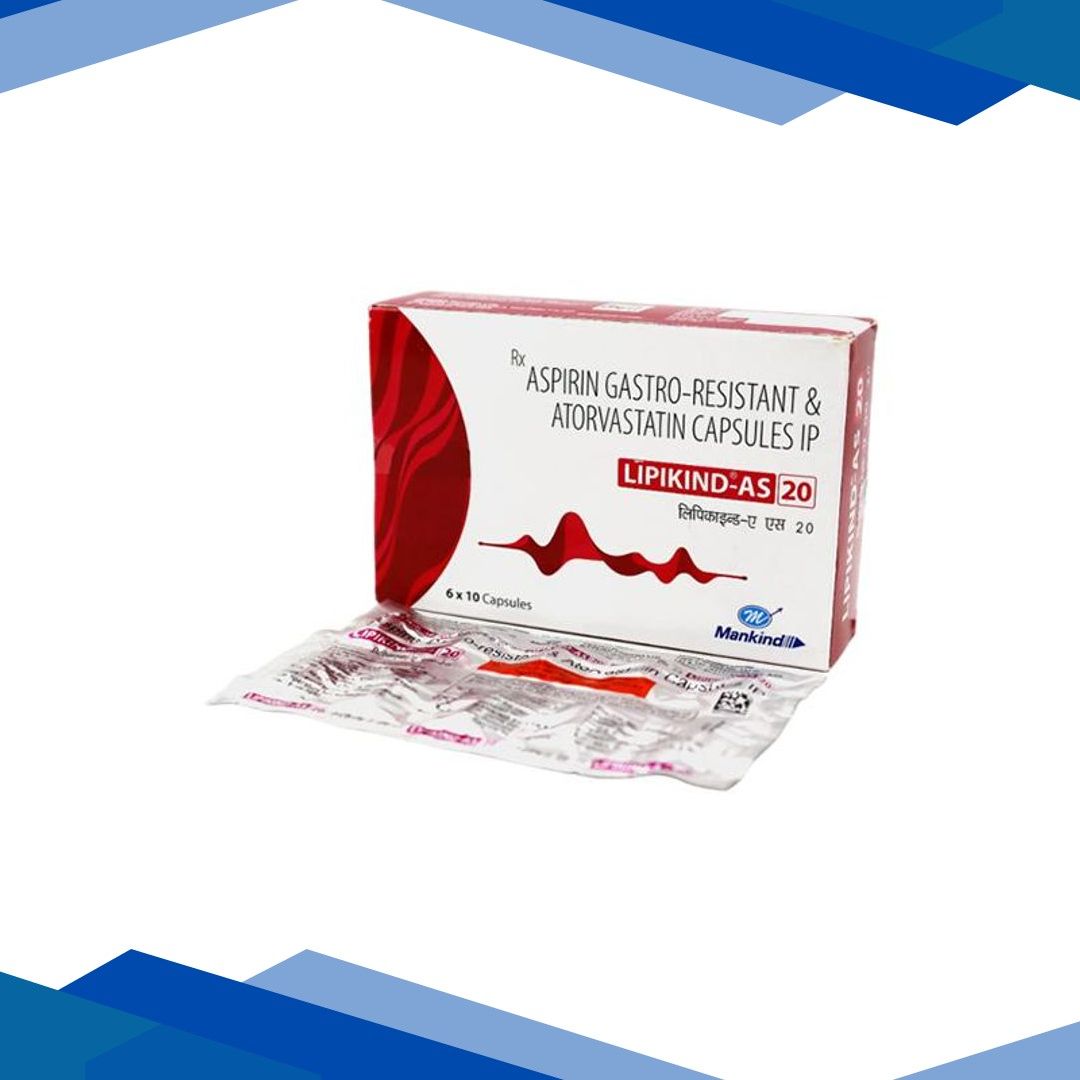

Aspirin (Acetylsalicylic Acid) Tablet
Aspirin is a drug with a number of nonsteroidal anti-inflammatory and antiplatelet agent-like actions. It is mainly used for its analgesic (pain-relieving), antipyretic (fever-reducing), and anti-inflammatory properties. Another indication frequently assigned for low-dose aspirin administration is to prevent the development of clots in high-risk individuals.
Uses
Pain & Fever: Instant relief is given in conditions such as headache, toothache, muscle aches, and menstrual pain, when aspirin is given.
Inflammatory Disorders: For swollen joint practice with increase in pain, usually seen in rheumatoid arthritis or osteoarthritis.
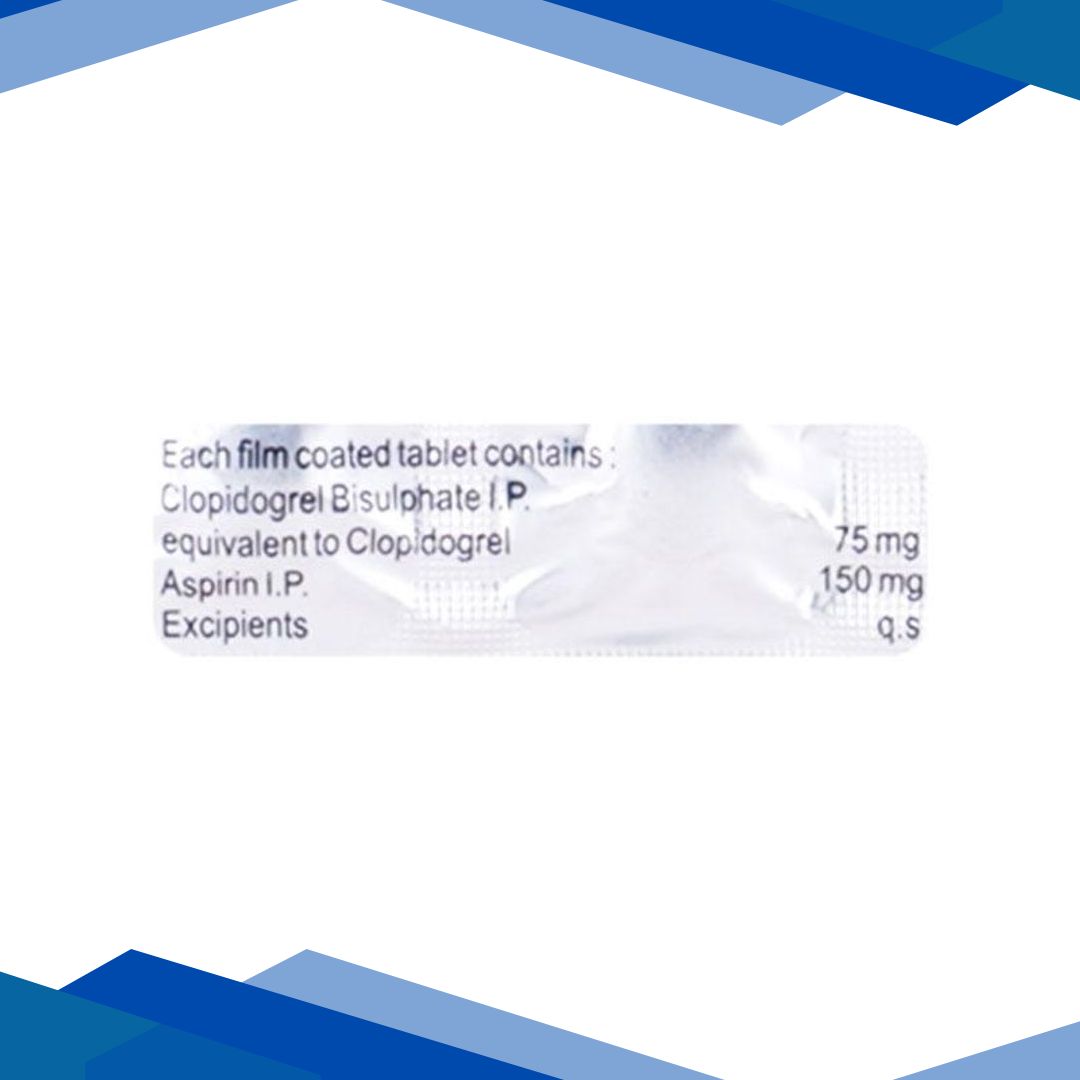
Blood Thinning: For some small blocks of time ($75\text{mg}$ or $150\text{mg}$), these doses of aspirin can aid the person in lowering heart attack or stroke risk by interfering with processes required for platelet aggregation.
Postoperative Maintenance: Since it’s essential for the survival and proper function of life, aspirin is given after stent placement or bypass surgery.
Means of Drug Action
Aspirin acts by inhibiting the production of prostaglandins, which are chemicals in the body that signal pain as well as inflammation. It inhibits COX-1 in platelets, which means that new platelets cannot form clots effectively in the arteries.
Dosage & Administration
Popular Dose: For discomfort or fever, adults are usually advised $325\text{mg}$ to $650\text{mg}$ every 4 to 6 hours as required. For cardiac protection, follow cardiologist-prescribed dosing only.
Dosing Frequency: For heart-related use, do not miss a dose. Sudden discontinuation increases the risk of a cardiac event.
Precautions & Warnings
Risk of Reye Syndrome: Avoid aspirin in children and teenagers with viral infections.
GI Safety: Continuous use can increase the chance of stomach irritation. Inform your doctor if you have a history of ulcers or acid reflux.
Bleeding Risk: Clotting may take longer due to aspirin’s anticoagulant effect, leading to prolonged bleeding from minor cuts.
Alcohol: May increase the risk of stomach bleeding when taken with aspirin.
Mild Adverse Effects
Vomiting
Heartburn
Unexplained weakness
Unusual bruising or nosebleeds
Serious Symptoms
Black or tarry stools
Coughing up blood
Tingling in the ears
Frequently Asked Questions (FAQ)
Q: Is daily aspirin safe?
Daily use is recommended only under a doctor’s supervision, typically for heart disease prevention. For pain, use only as needed.
Q: Which is better, aspirin or paracetamol?
Both relieve pain and fever. Aspirin also has anti-inflammatory and blood-thinning effects, whereas paracetamol does not. Choice depends on the condition and patient tolerance.
Q: Can I take aspirin if I have asthma?
In some individuals, aspirin may trigger aspirin-induced asthma or worsen symptoms. Consult your doctor before use.
Q: What should I do if I miss a dose?
Take it when you remember. If it is close to the next dose, skip the missed dose. Do not double the dose.
Q: Should I stop aspirin before surgery?
Yes, typically 5–7 days before surgery to reduce bleeding risk—but always follow your doctor’s advice.