
Showing all 3 resultsSorted by popularity
Filter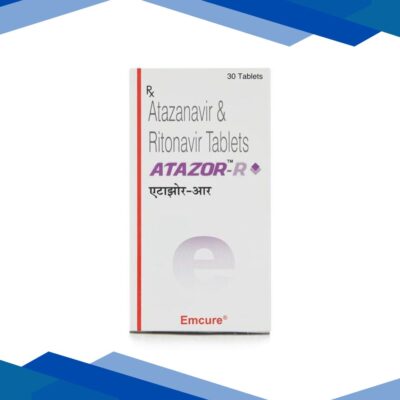
Atazor R Tablet 30’S
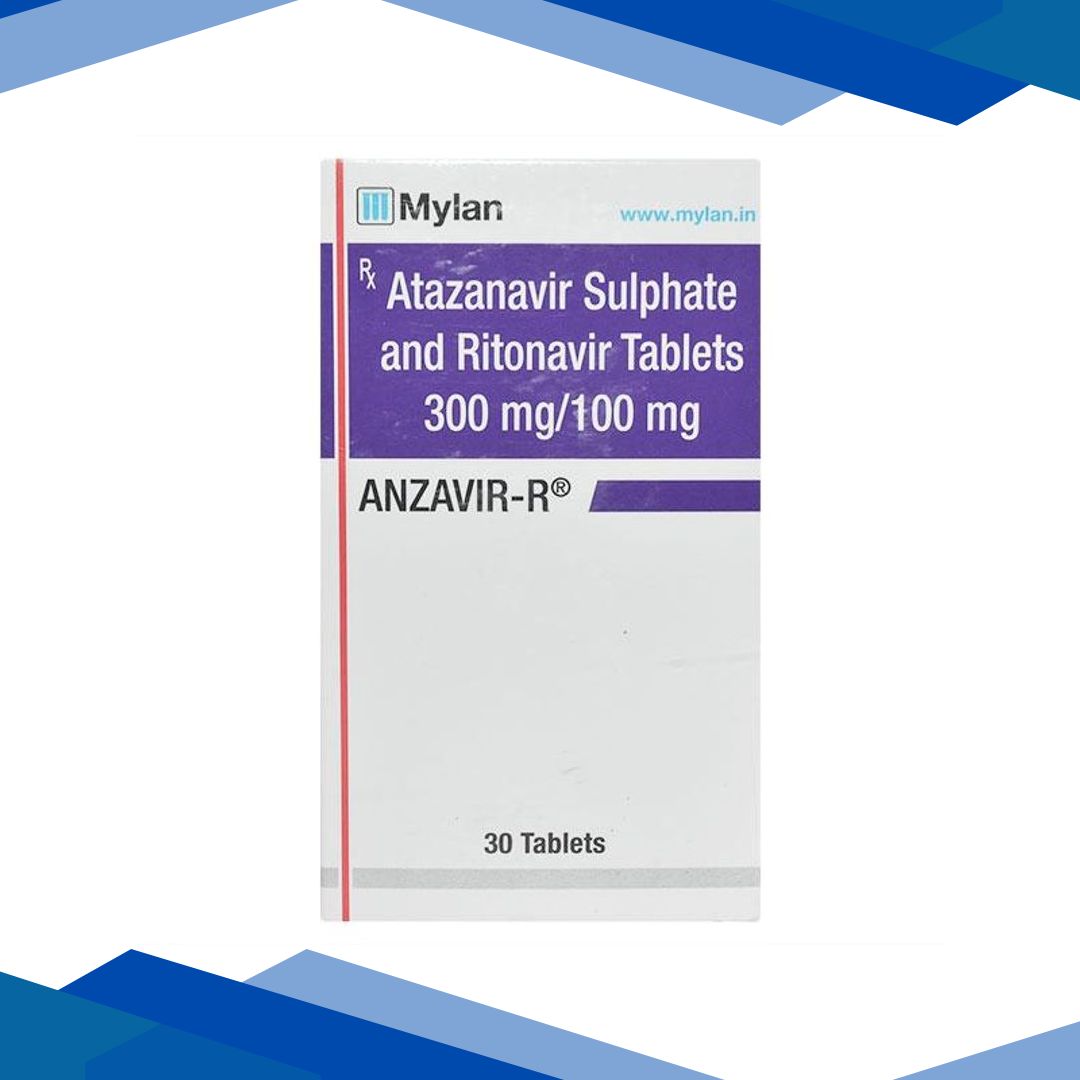
Anzavir R Tablet 30’S
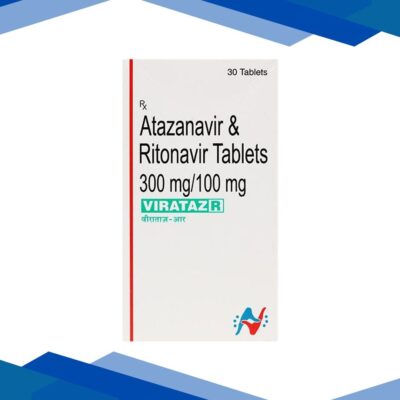
VIRATAZ R Tablet 30’s
Atazanavir 300 mg Capsule
Atazanavir is a prescription antiretroviral drug used to combat HIV-1 infection. It belongs to the Protease Inhibitor (PI) class of drugs. Atazanavir is often preferred over older treatments because of its once-daily dosing convenience and its comparatively favorable effect on cholesterol levels.
Most of the time, it is used in combination with other antiretroviral medicines as part of multidrug therapy to achieve an undetectable viral load, improve immune function, and reduce the risk of HIV-related illnesses.
Primary Benefits
Viral Control
It restricts the replication and maturation of the HIV virus.
Immune Support
Enhances the CD4 cell count, helping the body fight off infections.
Metabolic Profile
Has a more favorable effect on lipid (fat/cholesterol) levels compared to some other protease inhibitors.
How to Use Atazanavir
To ensure this medicine works effectively, the following steps should be followed carefully:
- Taken with Food: Atazanavir should always be taken with food because eating improves drug absorption.
- Indicated Time Frame: Consistency is important. Take your medicine at approximately the same time every day to maintain stable blood levels.
- The Capsule: Swallow the capsule whole with water. Do not chew, crush, or break it.
Safety & Expert Advice
| Category | Guidance |
|---|---|
| Alcohol | Caution. Limit alcohol intake to avoid increased dizziness or liver strain. |
| Stomach Acid | Avoid Antacids. Do not take antacids within 2 hours before and 1 hour after taking Atazanavir, as they interfere with absorption. |
| Pregnancy | Consultation with your doctor is necessary. Decisions should be based on benefits versus risks. |
| Liver/Kidney | Testing Required. Blood tests to monitor kidney and liver function are necessary during therapy. |
Common Side Effects
Although Atazanavir is generally well tolerated, some patients may experience:
- Mild yellowing of the skin or eyes (caused by increased bilirubin levels)
- Stomach upset, nausea, or headache
- Skin rash (serious rashes should be reported immediately)
- Altered sleep patterns or mild hypotension
Most of these effects improve as the body adjusts to therapy.
Frequently Asked Questions (FAQs)
1. Can Atazanavir cure HIV or AIDS?
No. However, when taken exactly as prescribed, it significantly reduces the viral load, helps patients live longer and healthier lives, and lowers the risk of transmitting the virus to others.
2. Why do my eyes look slightly yellowish?
This is a known effect caused by hyperbilirubinemia. Atazanavir may increase bilirubin levels in the body, sometimes causing yellowing of the skin or eyes (jaundice). It is usually harmless, but you should still inform your doctor for proper monitoring.
3. Can I take Atazanavir if I have a “weak stomach”?
Taking the medicine after a full meal may reduce stomach discomfort. If you frequently use acidity medications such as PPIs or H2 blockers, consult your doctor before starting Atazanavir, as these medicines can significantly reduce its effectiveness.
4. What if I miss a dose?
If you remember within 10–12 hours, take the missed dose with food as soon as possible. Never take more than one dose at a time. If it is much later than your usual timing, skip the missed dose and continue with your next scheduled dose.
5. Does Atazanavir interact with other medicines?
Yes. Atazanavir has many important drug interactions, especially with medicines for erectile dysfunction, cholesterol-lowering drugs (statins), and herbal supplements such as St. John’s Wort. Always inform your healthcare provider about every medicine or supplement you are taking.