





Showing the single result
Filter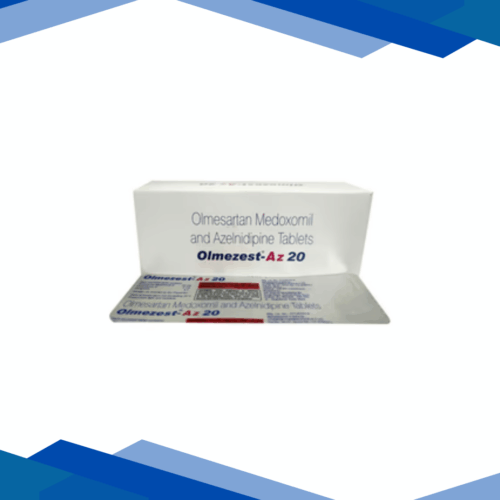
Azelnidipine functions as an effective long-lasting treatment because it belongs to the category of calcium channel blocker (CCB) medications. Healthcare professionals primarily prescribe it to manage elevated blood pressure levels. The medical community prefers Azelnidipine over traditional blood pressure medications because it provides gradual blood pressure reduction while producing fewer instances of reflex tachycardia.
Primary Therapeutapeutic Uses
Doctors typically prescribe Azelnidipine to treat:
- Hypertension (High Blood Pressure): It works to bring baseline blood pressure numbers down to a safe range, which reduces the long-term risk of heart attacks and strokes.
- Angina Pectoris: Sometimes used to prevent chest pain associated with reduced blood flow to the heart muscle.
- Organ Protection: This treatment choice protects kidney function for hypertensive patients who already suffer from kidney problems according to clinical research studies.
How Azelnidipine Works
Your heart uses calcium to create muscle contractions that drive blood flow through your entire body while your blood vessels need calcium to trigger their muscles to contract. Azelnidipine blocks calcium entry into smooth muscle cellswhich are present in blood vessel walls.
Calcium blockage leads to blood vessel relaxation which results in widening of blood vessels through a process called vasodilation. The widened pathway enables blood to flow through the body with far greater efficiency. Blood pressure decreases because of this mechanism which requires your heart to use less energy when delivering blood throughout your body.
Critical Safety Advice
| Category | Safety Guidance |
| Alcohol | Avoid alcohol consumption. The combination of alcohol and this medication leads to extremely low blood pressure which results in severe dizziness or fainting. |
| Pregnancy | The drug presents an unsafe risk to pregnant women according to medical guidelines which recommend its total avoidance during this period. |
| Breastfeeding | Consult your doctor. The breastfeeding safety of Azelnidipine remains unknown thus doctors prefer other treatment options. |
| Driving | Use caution. The medication causes dizziness and fatigue when first taken or when the dosage increases. |
Expert Tips for Use
- Routine is Key: Take the whole tablet with water at the same time every day. This process helps to keep a steady drug level in your body during the day.
- Watch Your Diet: Grapefruit and grapefruit juice consumption must be avoided during your treatment with this medication. The consumption of grapefruit results in high blood Azelnidipine levels due to its effect on liver drug processing.
- Position Changes: To avoid feeling lightheaded, rise slowly when moving from a sitting or lying down position to a standing one.
- Do Not Stop Abruptly: You should continue taking your blood pressure medication until your doctor advises you to stop. High blood pressure usually has no symptoms. A sudden stop will create a dangerous situation that causes your blood pressure to return to its previous high levels.
Common Side Effects
Most patients tolerate the medication well, but you may experience some side effects as your body adjusts:
- Swelling of the ankles or feet (Edema)
- Headache and dizziness
- Flushing (a feeling of warmth or redness in the face)
- Stomach upset or nausea
Note: If you experience severe swelling, a persistent rapid heartbeat, or difficulty breathing, seek immediate medical assistance.
Frequently Asked Questions (FAQs)
Q: Can I take Azelnidipine on an empty stomach?
A: Yes, you can take this medication with or without food. The most important factor is consistency. If you start taking it with breakfast, continue to do so every day to ensure it absorbs into your system uniformly.
Q: Why are my ankles swelling after starting this medication?
A: Lower extremity swelling which occurs at mild levels constitutes a common side effect for calcium channel blockers. The medication causes blood vessels to expand which results in fluid accumulation at your ankles and feet. You can use leg elevation to reduce swelling while you sit. When the swelling reaches painful or severe levels, you should visit your doctor to discuss possible dose modifications.
Q: Will Azelnidipine increase my heart rate?
A: Azelnidipine which belongs to the same drug category as Nifedipine demonstrates this effect on heart rate because it was specifically developed to have minimal impact. The medication starts to decrease blood pressure which keeps the heart from entering its fast-beating mode.
Q: What should I do if I miss a dose?
A: The moment the time arrives when you remember the missed dose, take your dose. You should skip the missed dose if your next scheduled dose is approaching. You should not take two pills to compensate for the pill you did not remember to take.
Q: How long does it take for the medication to lower my blood pressure?
A: You might start seeing a reduction in your blood pressure readings within a few days, but it can take up to a few weeks for the drug to reach its full, stable effect. Your doctor will likely schedule a follow-up to check your progress.
Storage: Keep the tablets in their original packaging until it is time to take them. The product should be kept at room temperature which must not exceed 30°C inside a dry storage area that children cannot access while direct sunlight and high moisture levels are avoided.
Would you like me to summarize the key dietary restrictions or potential drug interactions to watch out for while taking this medication?