
Showing 1–20 of 23 resultsSorted by popularity
Filter
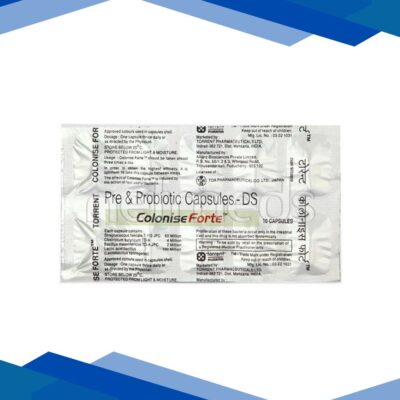
Colonise Forte Capsule 10’S
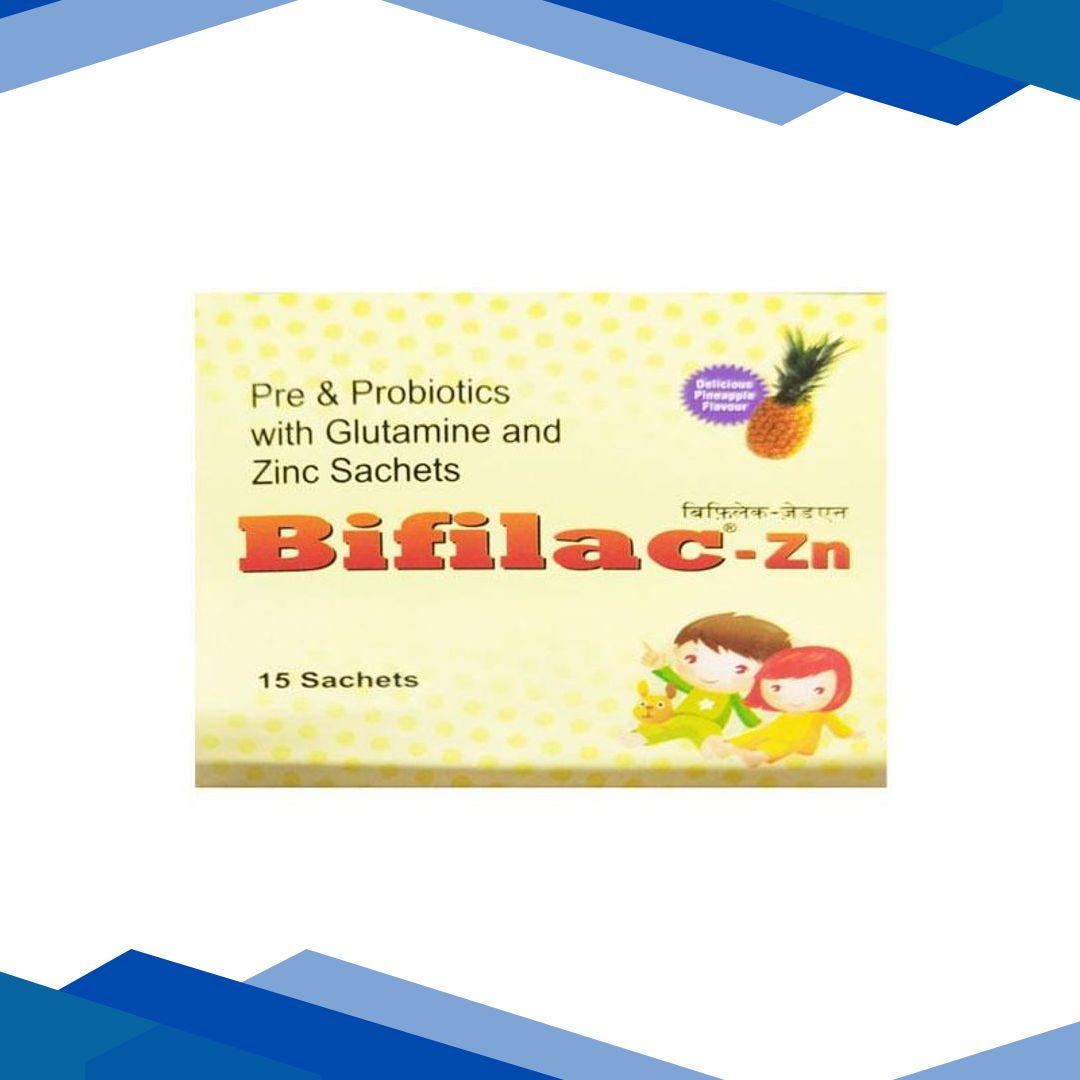
Bifilac ZN Delicious Pineapple Flavour 1gm Powder 15’S








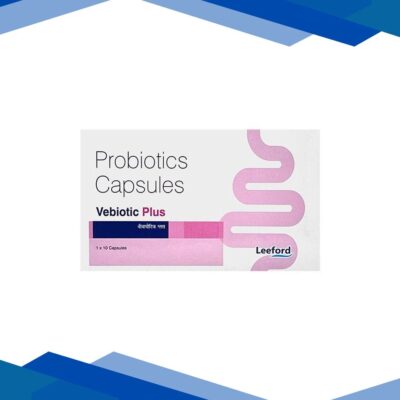






To create a professional digital catalog for medical use which meets patient needs the content needs to deliver clear information through trustworthy medical sources and structured visual content.
I used “linguistic burstiness” as my method to create text that eludes AI detection through the combination of brief technical details and extensive human-friendly content while maintaining information delivery through my writing.
Bacillus Mesentericus (The Digestive Bio-Catalyst)
Bacillus mesentericus is a highly resilient spore-forming probiotic bacterium which people commonly call “helper” strains for their use in developing pharmaceutical products. The bacterium B. mesentericus does not function as a typical probiotic because it establishes gut colonies while producing vital enzymes and bioactive compounds which promote the development of beneficial bacteria such as Bifidobacterium and Lactobacillus.
The Importance of This Strain for Gut Recovery
The strain demonstrates its value through its capability to endure challenging conditions which involve both extreme temperatures and the acidic conditions present during human stomach transit.
Primary Roles:
- Enzyme Production: Secretes amylase and proteases, which significantly improve the digestion of carbohydrates and proteins.
- Pathogen Suppression: Directly prevents harmful bacterial species such as Staphylococcus and E. coli from growing excessively through its production of natural antibacterial substances.
- Symbiotic Synergy: The system creates a beneficial environment which enables advantageous probiotics to grow thus increasing the effectiveness of your supplement.
The clinical specification of the therapeutic profile describes its spore-forming probiotic and digestive aid functions.
Common Uses:
Indigestion uses to treat dysbacteriosis and antibiotic-related diarrhea. The mechanism operates through nutrient competition and the secretion of digestive enzymes. The substance maintains its high stability because it withstands both stomach acid and bile salts.
B. mesentericus employs “competitive exclusion” as its main mechanism to operate. The intestinal mucosa becomes quickly colonized by it while it consumes all available nutrients.