
Showing all 3 resultsSorted by popularity
Filter
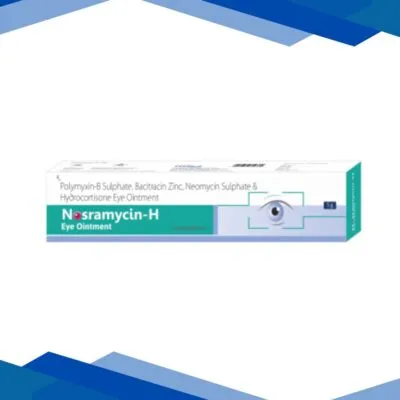

Bacitracin Zinc : a targeted first aid protection for minor skin injuries
Bacitracin Zinc is a very useful topical polypeptide antibiotic, mainly meant to help prevent and treat minor skin infections that can show up after small cuts, scrapes, scratch marks and minor burns. The idea is that it brings a focused antimicrobial effect right where the skin is hurt. That can help keep the area cleaner, support the body’s natural healing process, and reduce the chance of localized complications that follow these small injuries.
How it works
Bacitracin Zinc helps stop bacterial growth by using a specific disruption method:
Cell wall inhibition: It blocks a particular lipid pyrophosphate molecule, called C55-isoprenyl pyrophosphate, that bacteria rely on to move key building blocks across their inner cell membrane.
Preventing repair: Once that supply is cut off the bacteria can no longer produce, restore, or maintain their outer cell wall protections.
Targeted Eradication: This kind of structural weakness makes the bacterial cells rupture and die, then it effectively neutralizes common Gram-positive pathogens (for example, Staphylococcus and Streptococcus species) before they can settle in the skin tissue.
Primary Clinical Advantages
Infection Prevention: Builds a dependable antimicrobial barrier over compromised skin, stopping bacteria from taking root via contact or through the air around open wounds.
Accelerates Tissue Healing: When a smaller wound stays free of microscopic pathogens, skin cells regenerate and the closure happens quicker, less delayed.
Moisture Retention Matrix: When you formulate it as a topical ointment, it gives a favorable moist environment for raw skin surfaces. This lowers scab firmness and reduces the likelihood of later scarring.
Localized Action: Functions right at the application site with limited systemic absorption, so it becomes a precise remedy for superficial skin injuries.
Usage and Application Guidelines
Cleanse the Injury: Before you apply anything, gently wash the spot with mild soap and lukewarm water. Then pat it dry completely with a clean towel, making sure there is no dampness left.
Apply a Thin Layer: With a clean fingertip or a sterile cotton swab, spread a small amount of the ointment. Use a quantity that matches the tip of a finger over the injured area.
Frequency of Use: Put it on the affected area 1 to 3 times daily, or follow exactly what your healthcare professional told you.
Optional Dressing: You can leave it open to air, or cover it with a sterile adhesive bandage, so the wound is protected from dirt and external rubbing.
Frequently Asked Questions (FAQs)
1. Can Bacitracin Zinc be used to treat facial acne, or those little pimples on the face?
No, Bacitracin Zinc is designed mainly for superficial traumatic wounds, like cuts and minor scrapes. Acne is a complex inflammatory skin condition, built around deeper sebaceous glands and multiple bacterial strains. Applying a heavy antibiotic ointment on acne-prone areas can clog follicles and may worsen breakouts.
2. What should I do if I accidentally get the ointment in my eyes?
If the product touches your eyes, rinse immediately with plenty of clean, cool running water for several minutes. If burning continues, redness persists, or you notice any vision changes, contact a clinician promptly.
3. Is it safe to apply this ointment over large body burns?
Bacitracin Zinc is strictly indicated for minor surface-level burns, like a light kitchen scald. Do not apply this on deep second-degree or third-degree burns, deep puncture wounds, animal bites, or severe lacerations. These situations need immediate professional medical attention.
4. How long can I safely use Bacitracin Zinc on a scratch?
Do not use it for more than 7 consecutive days unless a physician specifically tells you to continue. If the wound does not show clear improvement, or if it develops increased redness, swelling, warmth, or pus, stop using it and consult your doctor.
5. Can this product cause an allergic skin reaction?
Even though most people tolerate it well, some individuals might develop a localized allergic reaction (contact dermatitis). Signs may include itching, redness, or a mild rash near the application site. If symptoms worsen after use, stop applying it and gently rinse the area.
Safety, Precautions, and Storage
Precautions: This is for external topical use only. Do not ingest it, and do not apply inside the mouth, nose, or deep ear canal. Inform your doctor if you have hypersensitivity to Bacitracin, Zinc, or similar polypeptide antibiotics.
Storage: Keep the tube at controlled room temperature, away from direct heat, freezing conditions, and excess humidity. Always close the cap tightly after use. Store it safely out of sight and reach of children and pets.