
Showing all 9 resultsSorted by popularity
Filter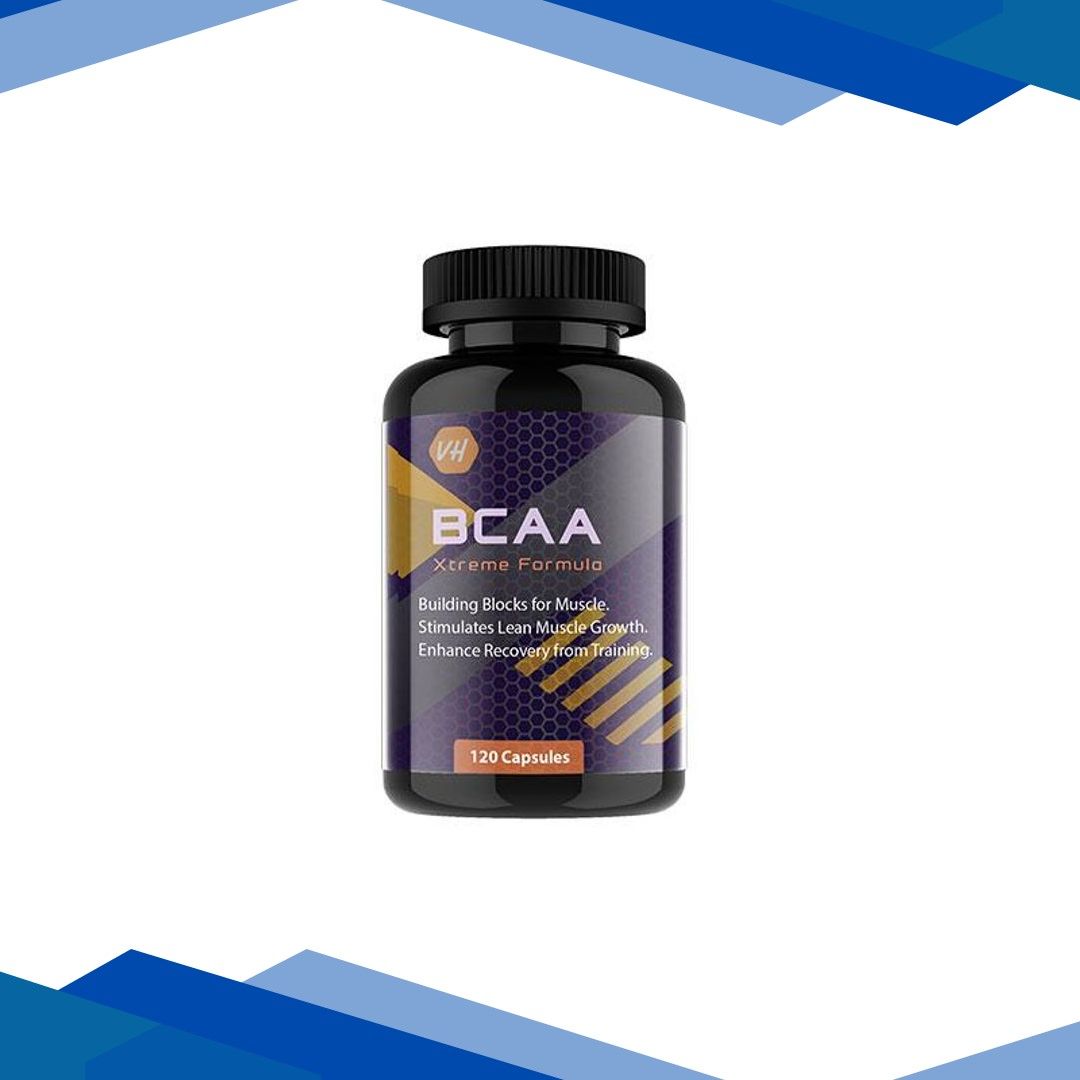
Vitaminhaat BCAA Xtreme Formula Capsule 120’s

WOW Life Science Plant Based BCAA Supplement Powder – Watermelon 250 gm

WOW Life Science Plant Based BCAA Supplement Powder – Litchi 250 gm

GNC AMP Gold Series BCAA Advanced Powder with Vitamin B6 – Green Apple Flavour 400 gm
GNC AMP Gold Series BCAA Advanced Powder with Vitamin B6 – Orange Flavour 400 gm
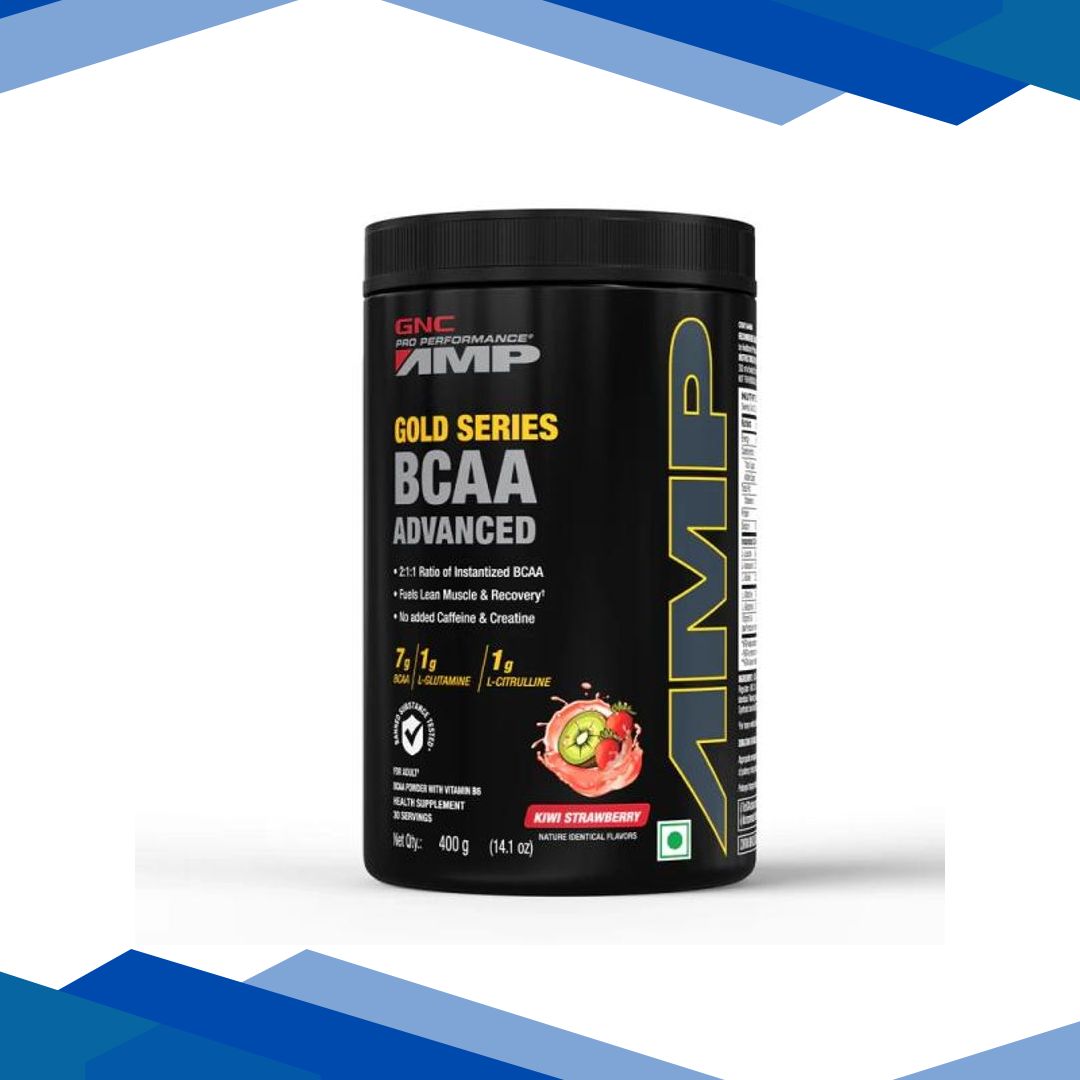
GNC AMP Gold Series BCAA Advanced Powder with Vitamin B6 – Kiwi Strawberry Flavour 400 gm
INLIFE BCAAS Powder – Watermelon Flavour 250 gm
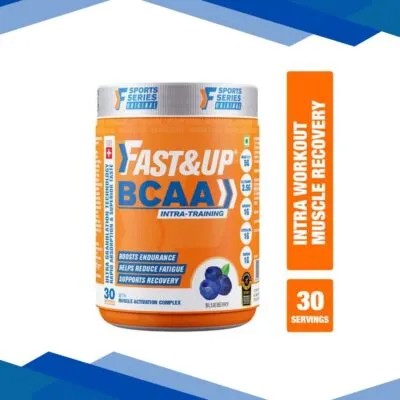
Fast&Up BCAA Supplement Powder – Blueberry Flavour 450 gm
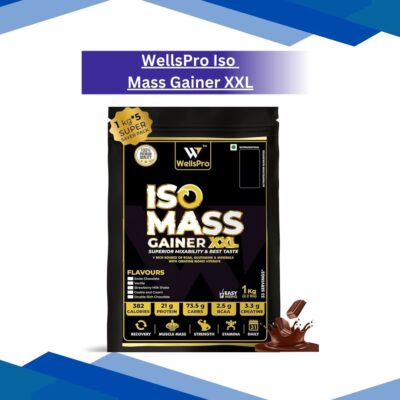
WellsPro Iso Mass Gainer XXL (1kg Each) Double Rich Chocolate
BCAAs (Branched-Chain Amino Acids) are very effective against mental and physical fatigue.
Liver Support: Some studies suggest that BCAA can help improve brain function in patients with chronic liver disease (Hepatic Encephalopathy).
Prevent Muscle Loss: Constant nitrogen supply is provided, which is needed for maintaining lean muscle mass during a low-calorie restrictive diet.
Composition & Ratio
The vast majority of BCAA best grade supplements have a 2:1:1 ratio, and include the following proportions:
L-Leucine (50%): This is a direct anabolic signal transducer.
L-Isoleucine (25%): Plays a major part in glucose uptake and utilization during exercise.
L-Valine (25%): Helps to prevent sugar level fluctuations during exercise and supports energy production.
Safety and Side Effects
Even though BCAAs are naturally occurring, certain precautions are warranted:
ALS & Motor Neuron Disease: People with ALS or similar motor neuron diseases should avoid BCAA supplements due to their potential for negatively affecting neurological health.
Surgery: BCAAs may affect blood sugar levels, so refrain from taking them at least two weeks prior to any planned surgery.
Pregnancy and Breastfeeding: There is no long-term clinical research confirming safety; hence pregnant or breastfeeding women are advised to use BCAA supplements only under a doctor’s supervision.
Possible Side Effects: A few people may experience mild bloating, headache, or slight clumsiness if dosages are increased.
Frequently Asked Questions (FAQs)
1. When should I consume BCAA?
BCAAs can usually be utilized intra-workout or post-workout for maximum efficacy. This way, amino acids from BCAAs reach the muscles quickly when their rate of protein breakdown is at its peak.
2. Can my regular diet provide enough BCAA for me?
Yes. BCAAs are present in high amounts in protein-rich foods like chicken, beef, eggs, and dairy products. However, athletes sometimes choose supplements because they provide free-form amino acids that reach the bloodstream faster without needing digestion.
3. Does BCAA lead to sure weight gain?
BCAA supplements contain very few calories, making them non-fattening. By helping maintain lean muscle mass, they may support fat loss and metabolism.
4. Are you on the safer side by taking BCAA every day?
Daily use of BCAA supplements is generally safe for healthy individuals when taken within the recommended dosage. It is important to stay well hydrated, as water helps balance the metabolism of amino acids and proteins.
5. Can you take BCAA with Whey Protein?
Yes, Whey Protein can be taken along with a BCAA supplement. While Whey Protein already contains BCAAs, adding an extra dose of Leucine from a BCAA supplement can be beneficial for people involved in intense strength training or heavy lifting.