
Showing 1–20 of 26 resultsSorted by popularity
Filter
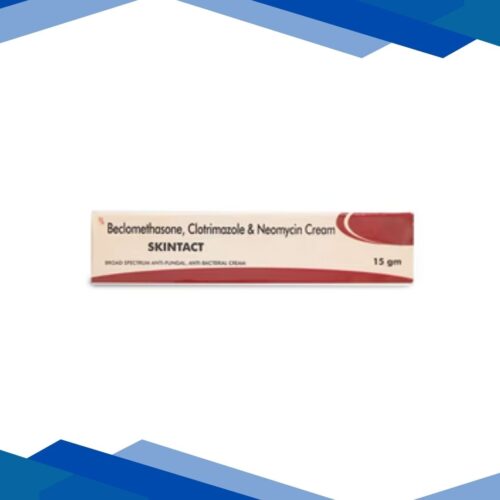
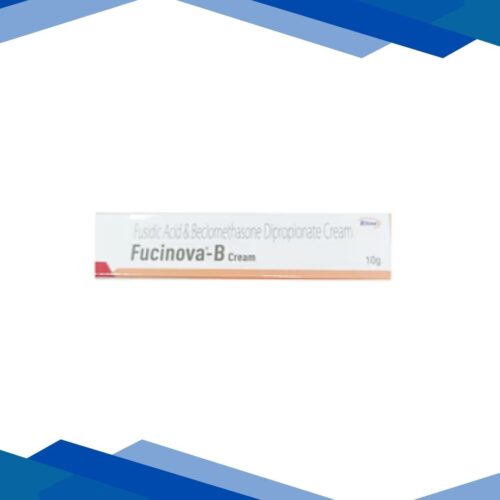
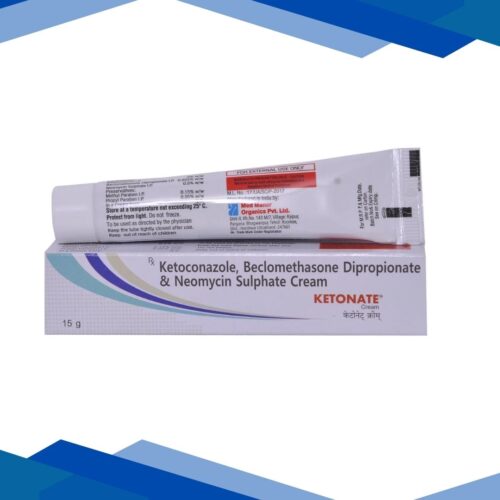
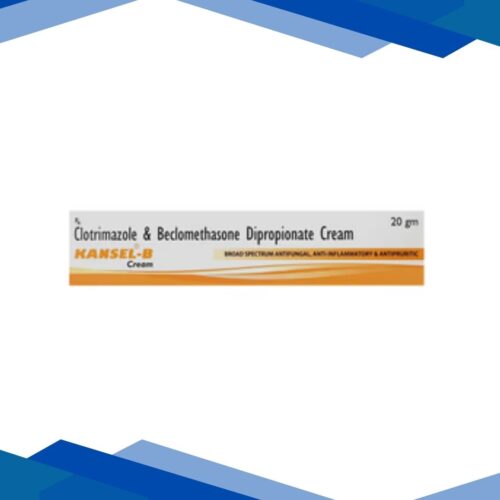
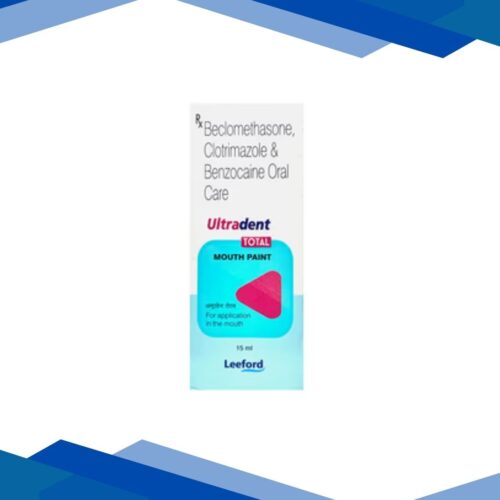
ULTRADENT TOTAL Mouth Paint 15ml
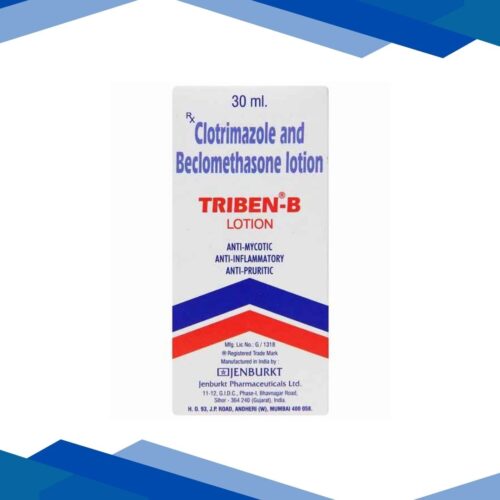
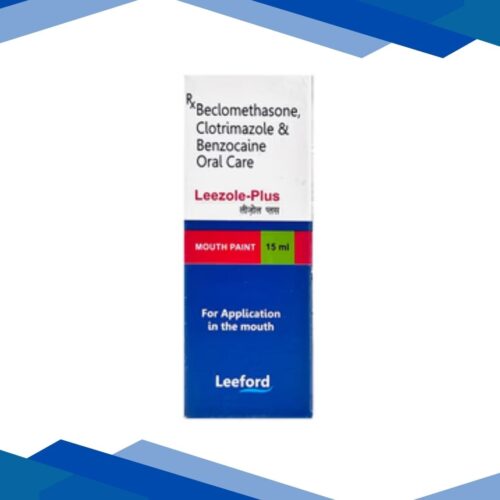
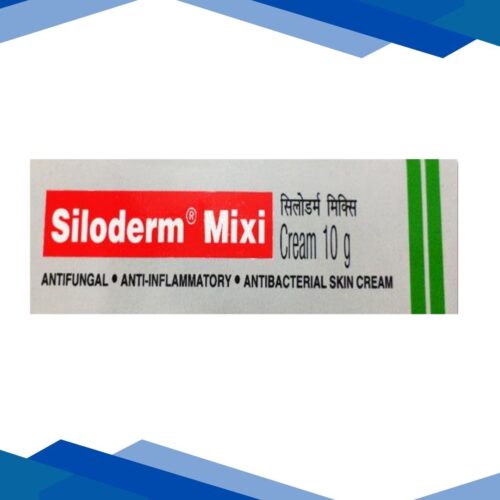
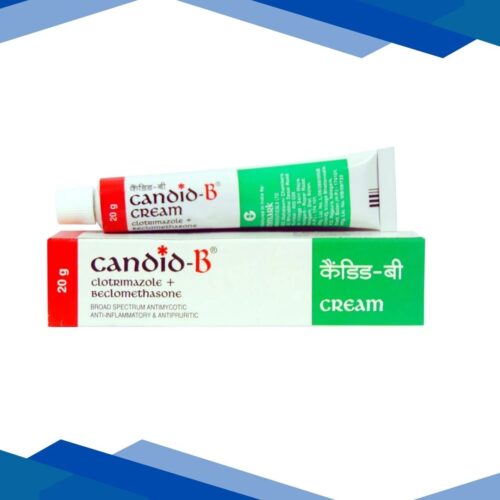
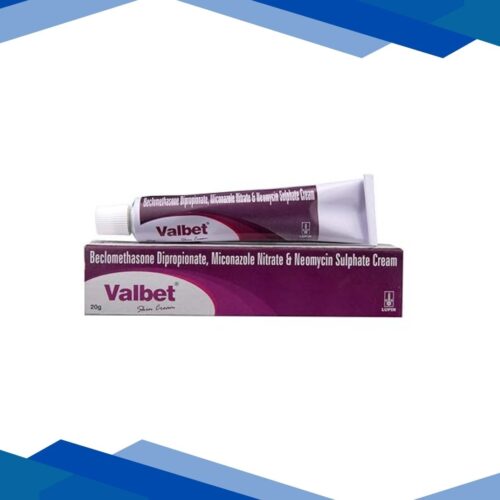
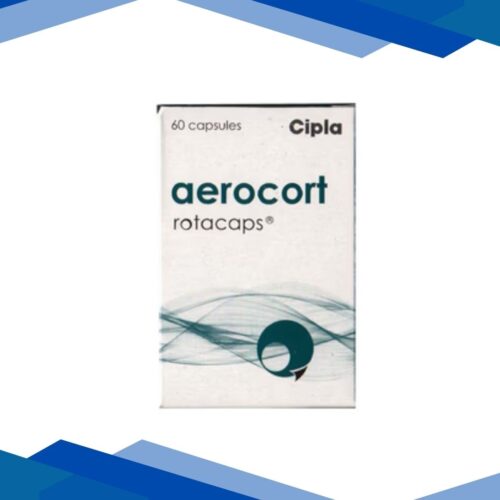
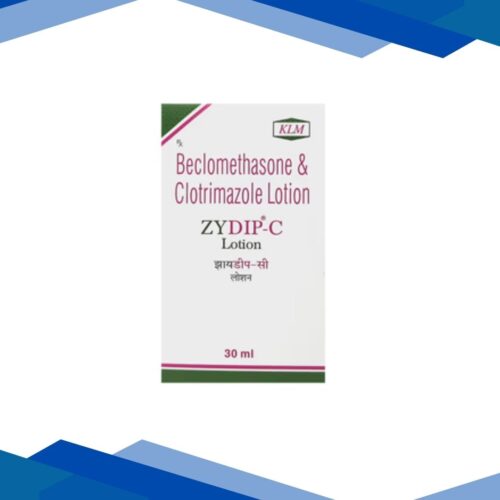
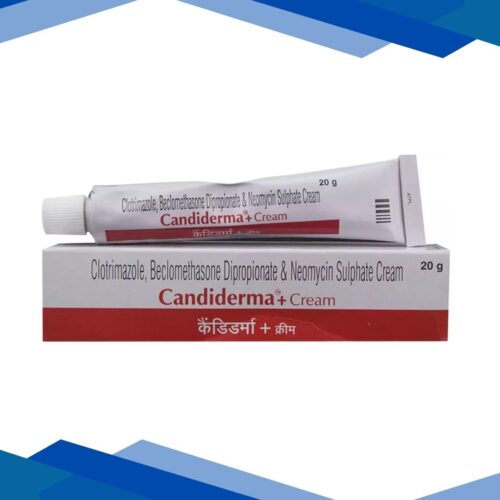
Beclometasone: The Ultimate Resource for Respiratory and Allergic Conditions
Beclometasone Dipropionate is one of the very potent corticosteroids available and is commonly used in the control of inflammatory conditions affecting the airways and skin. Like the main provider, it is primarily used as a “preventer” inhaler in asthma, as it acts to reduce immune activity within the lungs, decreasing swollen air passages and easing inflammation enough to prevent emergencies of breathing difficulty.
Beclometasone: Therapeutic Applications
Asthma Control: Beclometasone is used in conjunction with bronchodilators as a daily preventive regimen to make sure one steers clear of wheezing, difficulty in breathing, tight chest, and other symptoms.
COPD Management: The main concept pertains to reducing chronic airway inflammation that drives the various symptoms of COPD.
Allergic Rhinosinusitis: Provided as a nasal spray, Beclometasone Dipropionate offers relief against hay fever symptoms, sneezing, runny nose, and sinus blockage.
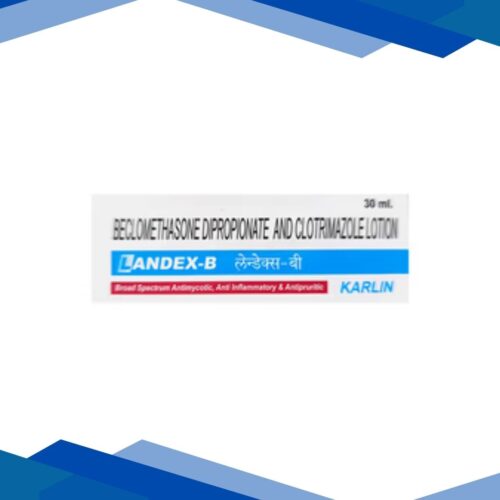
Dermatological Conditions: The topical versions are used to relieve severe skin irritation, eczema, and psoriasis-associated conditions.
Action Mechanism
Beclometasone behaves much like the hormones produced by the adrenal glands. When inhaled or applied, it works by blocking chemical messengers such as prostaglandins and leukotrienes that cause inflammation, swelling, and narrowing of the bronchiolar lumen. This action helps in controlling and stabilizing airway inflammation.
Safety Advice & Cautions
Not a Rescue Drug: Beclometasone is a maintenance medication and will not work for sudden asthma attacks. Keep a fast-acting reliever such as Salbutamol available at all times.
Oral Hygiene: To avoid oral thrush (a fungal infection), rinse your mouth with water and spit it out after using the inhaler.
Infection Risk: Since steroids may mask infection symptoms, consult a physician if you develop fever, persistent cough, or sore throat.
Pregnancy and Lactation: Beclometasone inhalers are generally considered safe, but should only be used under medical supervision during pregnancy or breastfeeding.
Frequently Asked Questions (FAQs)
1. How long will it take for Beclometasone to start working?
Unlike reliever inhalers, Beclometasone works gradually. Breathing may start to improve within 24–48 hours, but the full benefits usually appear after 1–2 weeks of regular use.
2. Can I stop taking this medication if I am feeling better?
No. Beclometasone is intended for long-term maintenance therapy. Suddenly stopping the medication may trigger airway inflammation and increase the risk of an asthma attack. Always consult your doctor before changing the dose.
3. Will Beclometasone cause weight gain?
When used as an inhaler or nasal spray, only a very small amount reaches the bloodstream, making weight gain unlikely. Systemic side effects are more likely only with long-term high-dose oral steroid use.
4. What should I do if I miss a dose?
Take the missed dose as soon as you remember. If it is almost time for the next scheduled dose, skip the missed one. Do not double the dose.
5. Are children eligible to use a Beclometasone inhaler?
Yes, Beclometasone inhalers are commonly prescribed to children (usually aged 5 years and above) with chronic asthma. During long-term treatment, doctors often monitor a child’s growth and height to ensure the lowest effective dose is used.