
Showing all 17 resultsSorted by popularity
Filter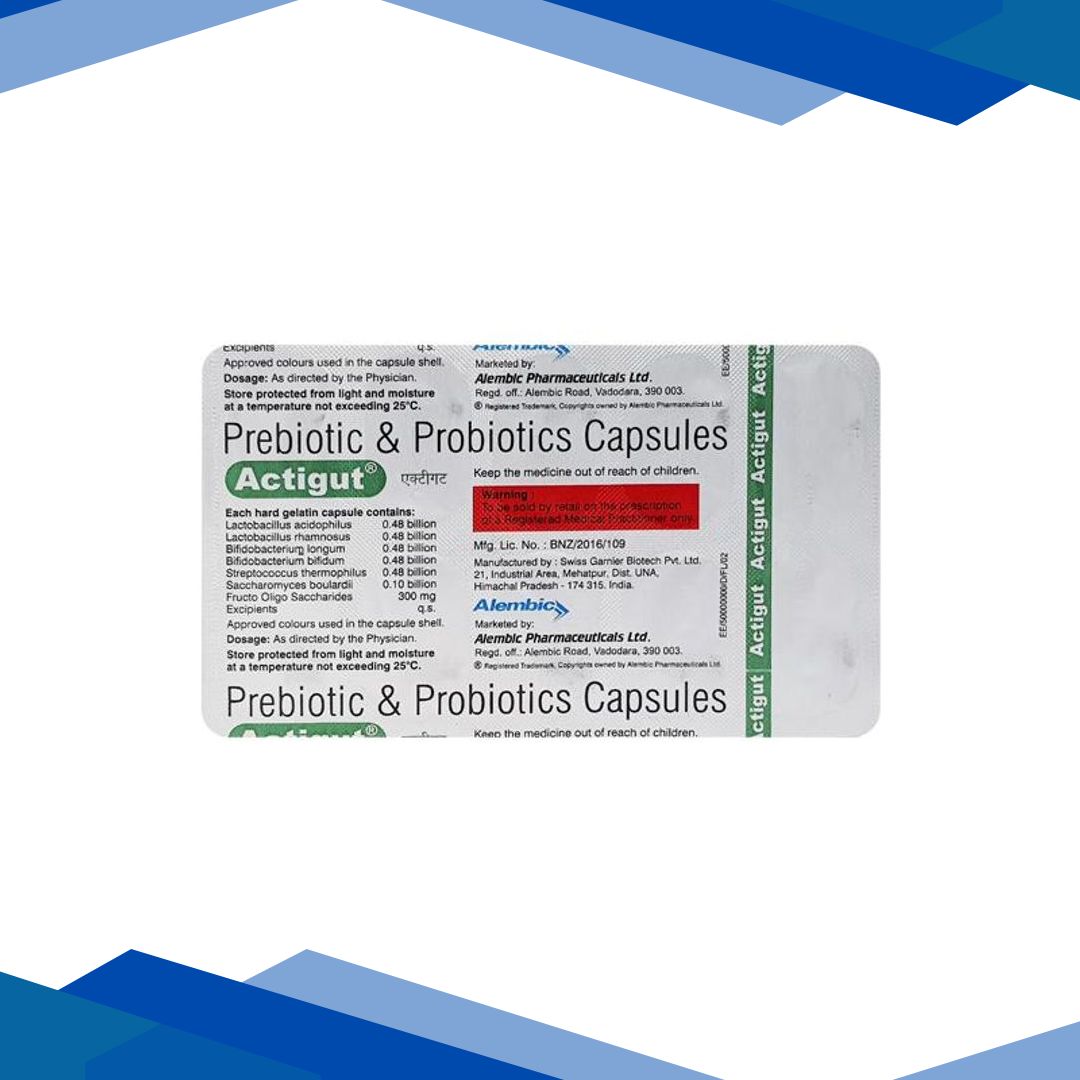
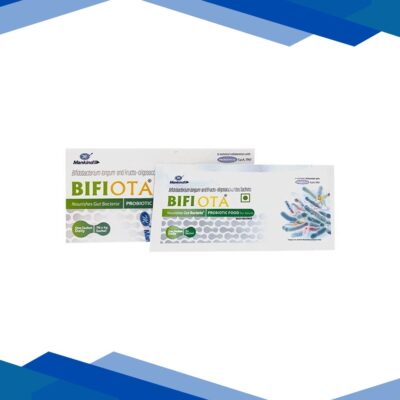
BIFIOTA GLUTEN FREE Sachet 5g
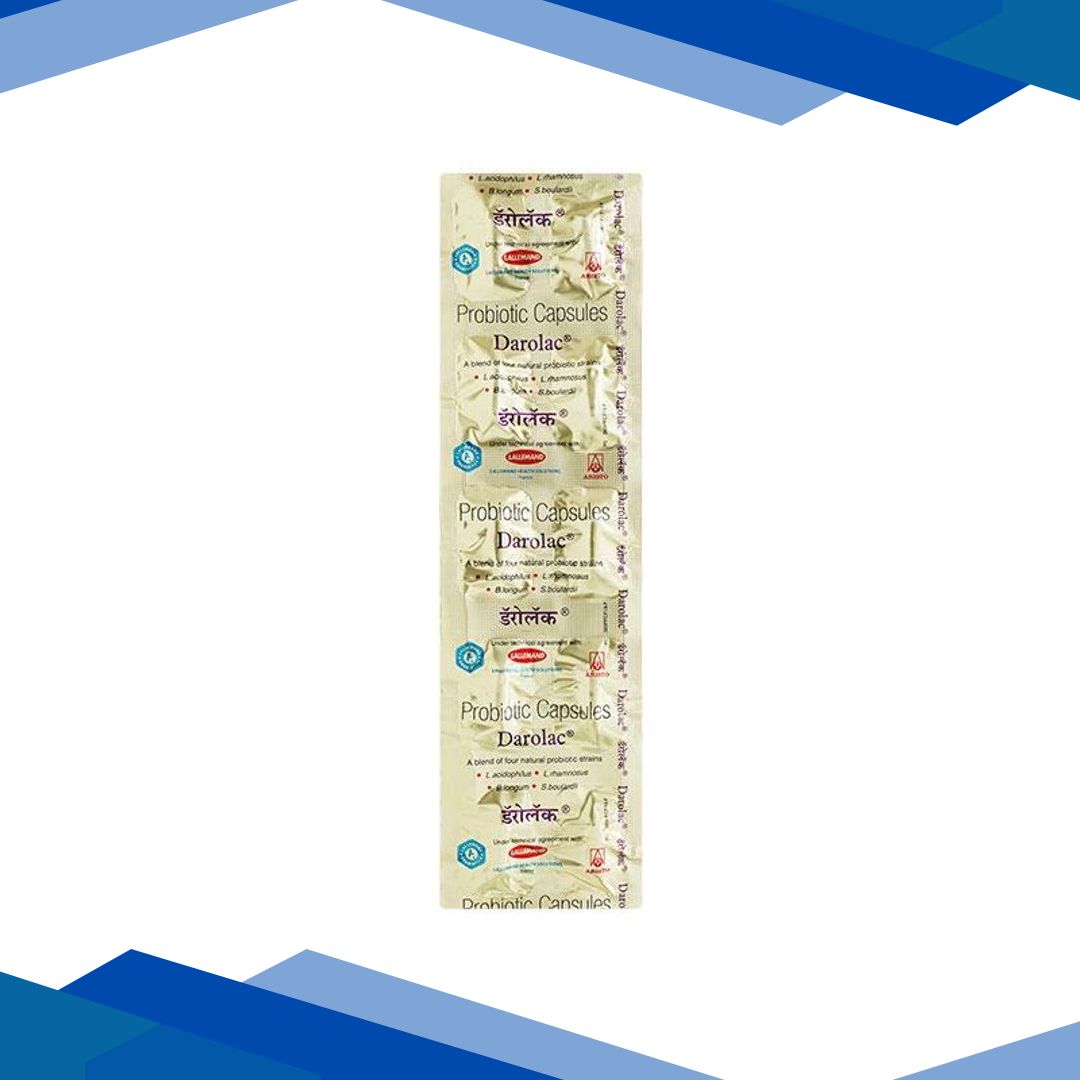
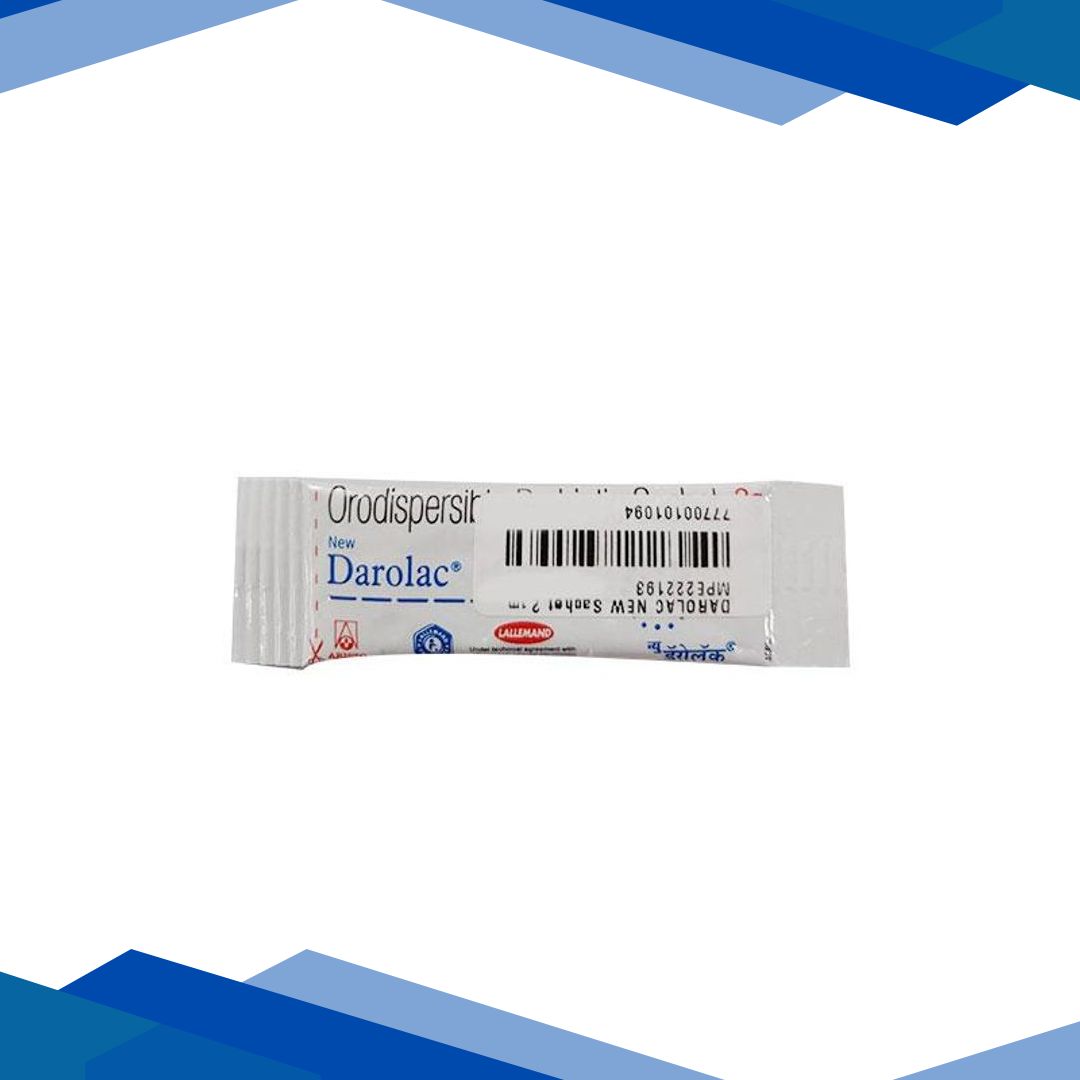
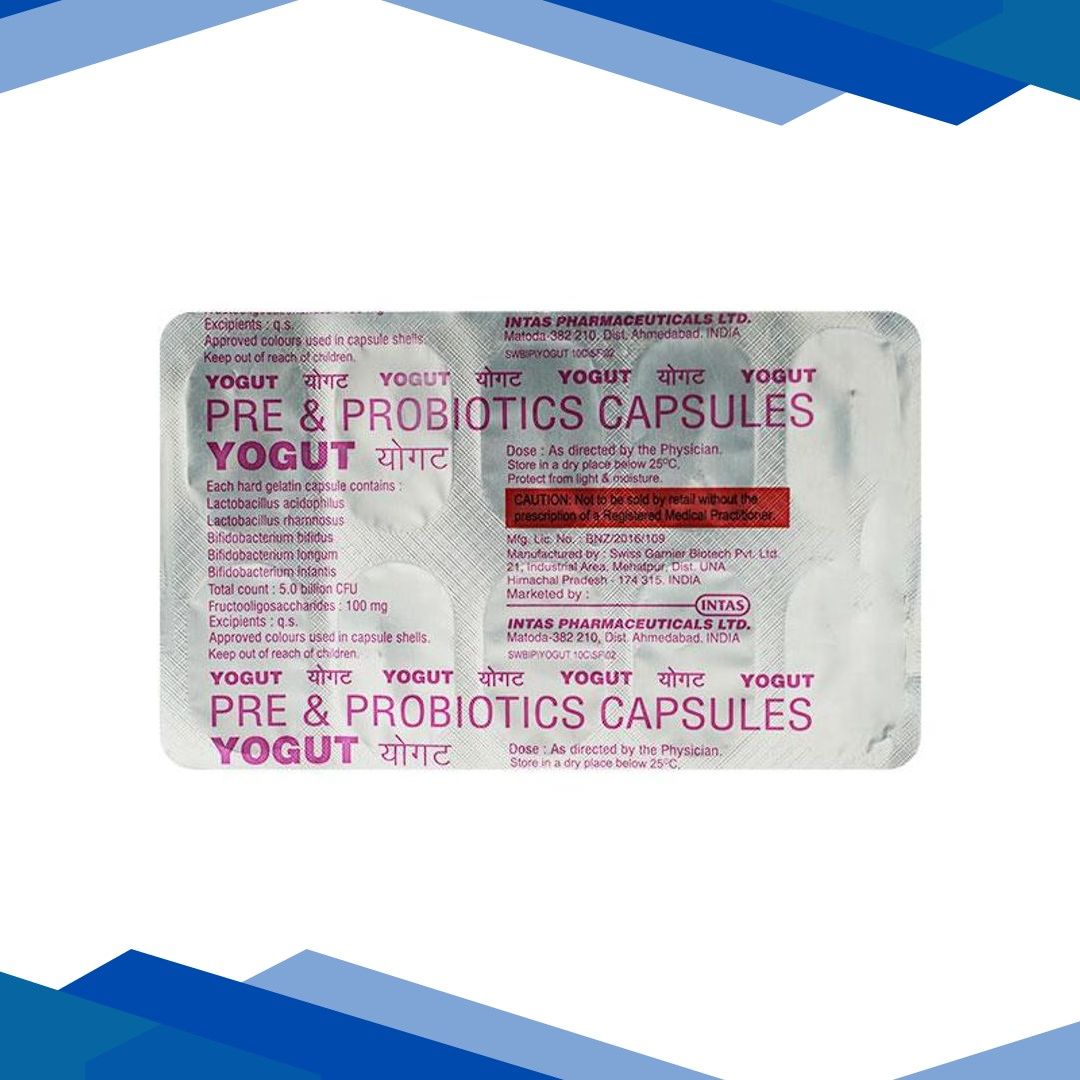
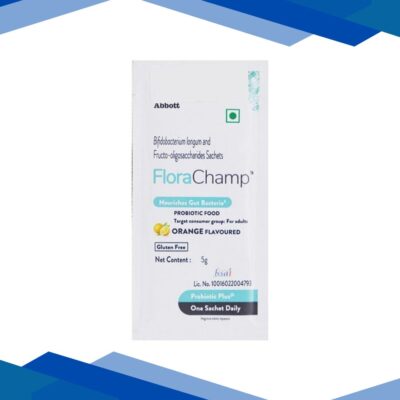
FLORACHAMP ORANGE FLAVOURED Sachet 5gm

Gutrite Delicious Orange Flavour Sachet 1gm
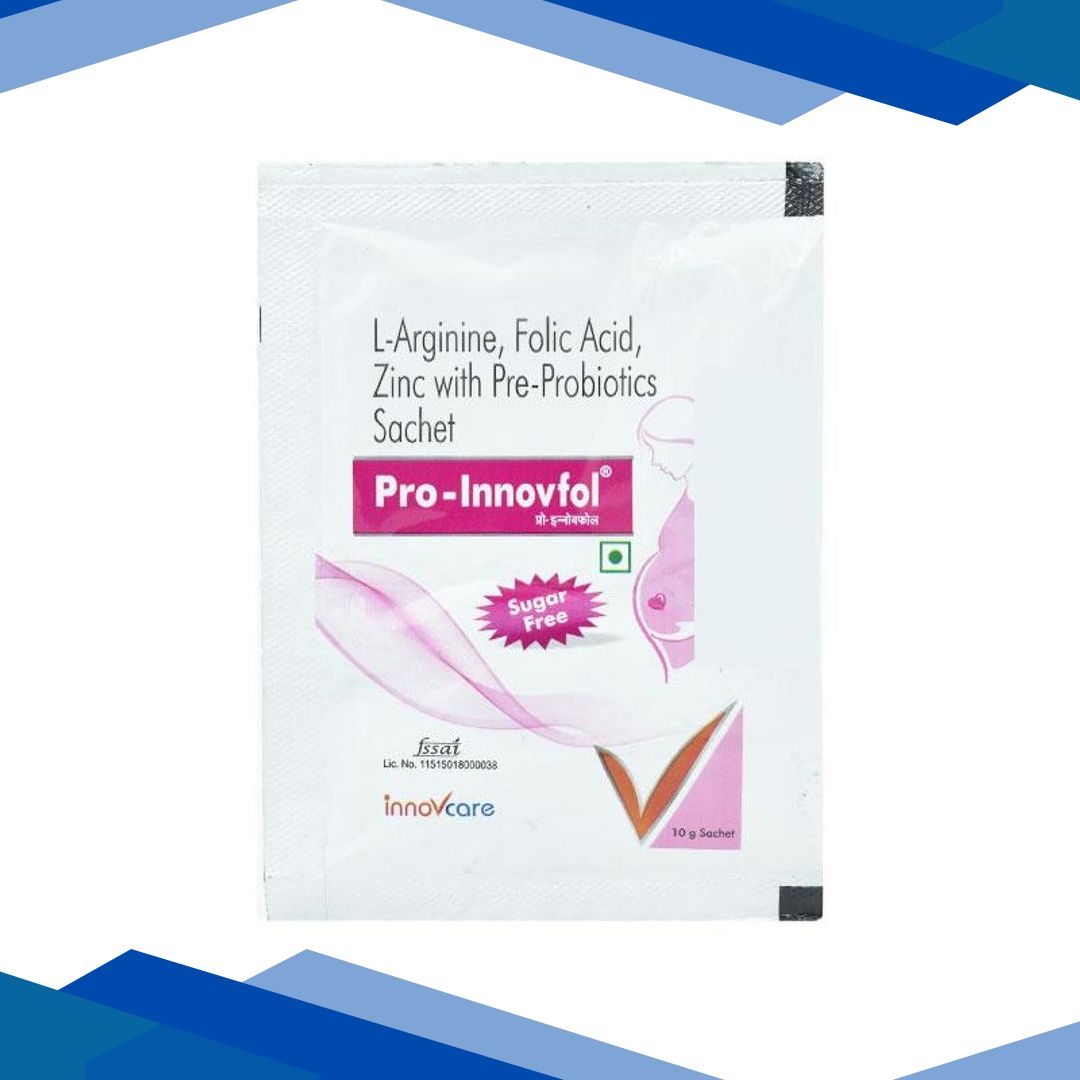
PRO INNOVFOL SUGAR FREE Sachet 10gm
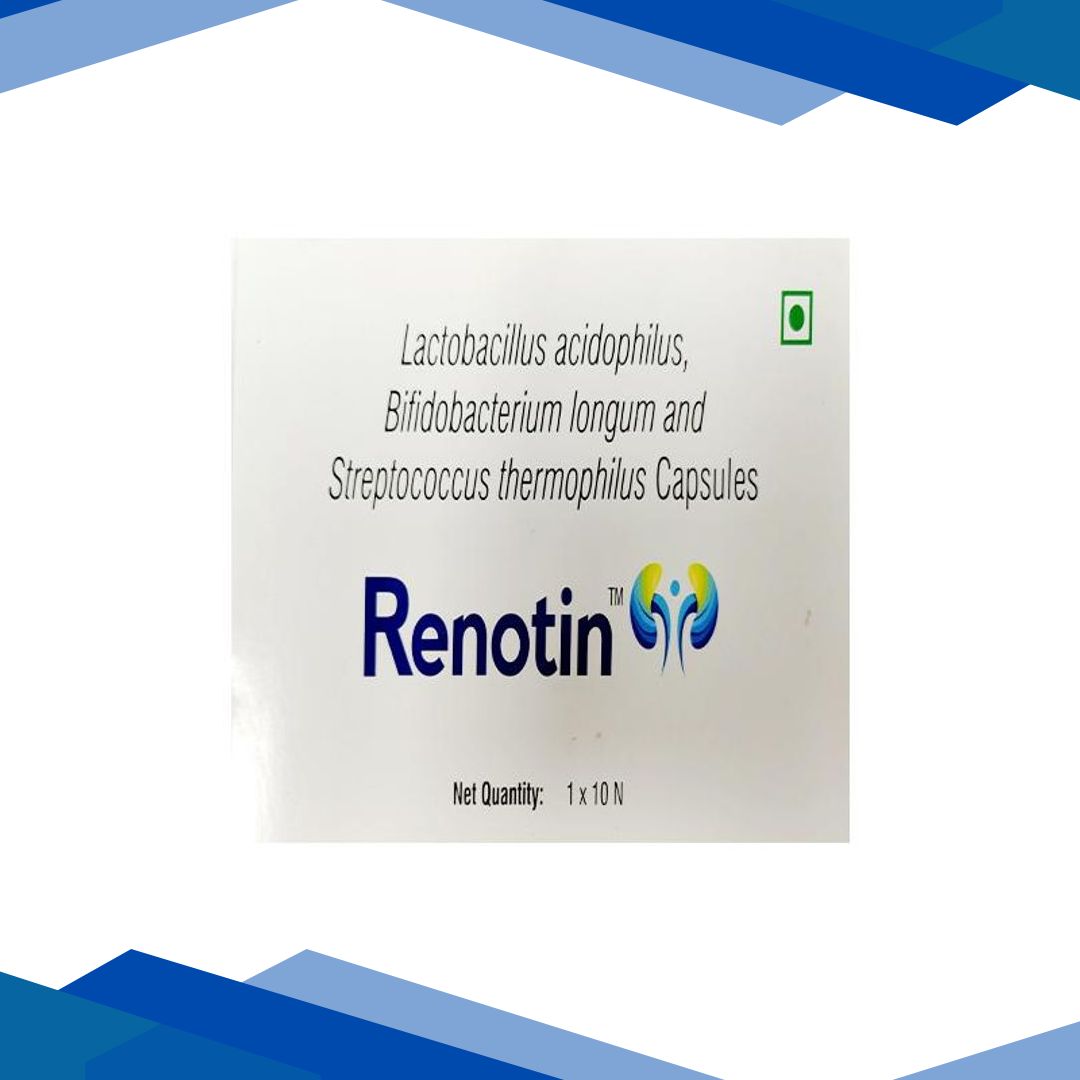
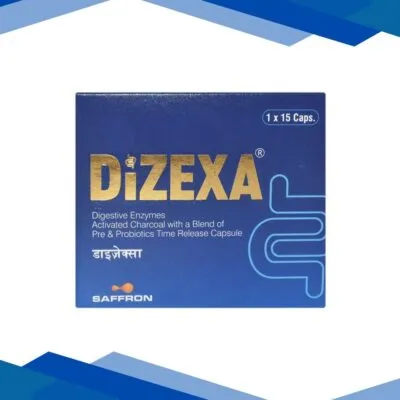
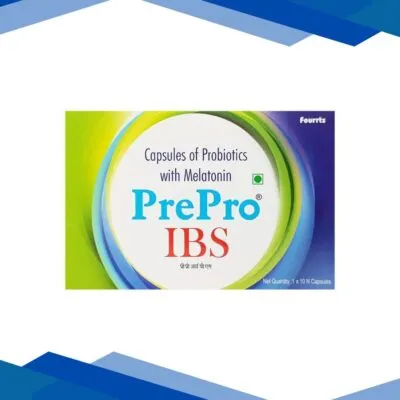
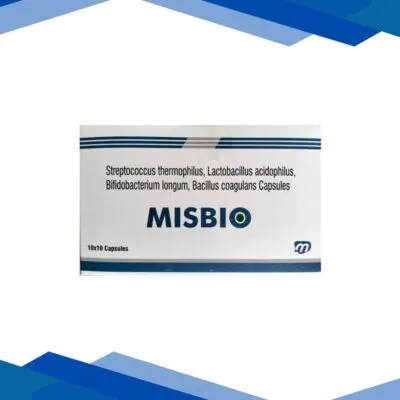
Bifidobacterium longum (Probiotic Supplement)
Bifidobacterium longum is a beneficial Gram-positive rod bacterium naturally found in the human gut. As one of the most important “friendly” bacteria, it plays a vital role in the fermentation of dietary fiber, producing B-vitamins, and facilitating the maintenance of an acidic environment which is not suitable for the growth of harmful pathogens. Today, modern clinical trials define B. longum as a core support in the management of chronic digestive disorders and strengthening natural body defenses.
Common Therapeutic Uses
Restoring gut flora: Filling the void with a healthy microorganism system (good bacteria) in the wake of antibiotic treatment.
IBS Management: Relieve symptoms while also treating the enduring symptoms of Irritable Bowel Syndrome, such as bloating, gas, and abdominal pains.
Digestive Regularity: Help regulate bowel movements and reduce the rate of daddy infectious diarrhea, especially among children.
Immuno-modulation: Assists the Gut-associated Lymphoid Tissue or GALT, which hosts around 70% of the immune system.
Adjuvant for CKD: With respect to some specific situations, it is an indispensable option to avoid the buildup of nitrogenous waste in the blood for those having a damaged kidney function.
How does it work?
Competitive exclusion: It takes up the lining of the intestine, thereby physically blocking pathogens from attaching and causing infection.
Lactic acid production: By fermenting sugars into lactic acid and acetic acid, a lower pH of the gut restricts pathogen populations.
Enhanced barrier function: Enhances the “tight junctions” present between the cells in the intestine and thus aids in both prevention or containment of the movement of toxins that would normally penetrate into the blood vessels (commonly known as ‘leaky gut’).
Guidelines for usage
Usual Dosage: Generally, an oral route— administration of one capsule or sachet (about 1–5 billion CFUs) once or twice a day or as advised by a gastroenterologist.
Timing: For best results, take with an empty stomach or at least 2 hours after antibiotics. This gives enough time for the live cultures to survive.
Administration: Take the capsule with water at room temperature. Do not consume hot beverages with the capsules; hot temperatures can kill the live probiotic cultures.
Precautions & Safety Information
Use with Immune Compromised Patient: If you are severely immunosuppressed (e.g. following organ transplant or due to HIV) consult your healthcare professional before use, as there is a rare risk of systemic infection.
Severe Illness: It is not advised to take afterheart surgery or for patients with central catheters under circumstances that warrant strict medical watch.
Pregnancy & Breastfeeding: For pregnant and breastfeeding women, professional opinion is to be sought prior to the incorporation of any new supplement for intake.
Common Side Effects
The first few days of treatment, you may experience:
Mild abdominal bloating.
Thus.
Loose stool which is temporary
Thirsty (let’s call it hydrate yourself well), a great deal.
Frequently Asked Questions (FAQs)
Q: Is Bifidobacterium longum a drug or a supplement?
It is a categorized as a probiotic supplement. It is a real, live microorganism that brings health benefits when ingested in necessary amounts, not synthetic chemical drug.
Q: How long does it take to get some effect out of B. longum?
Most of the users sense diminished bloating and improved gut health in about three to seven days. But for chronic conditions like IBS (greater challenges) and immune support, it would be mostly necessary to be used for about two weeks to one month for complete therapeutic effectiveness.
Q: Should it be refrigerated?
Depends on the formulation in question. While many of the more recently improved “shelf-stable” formulations do not require refrigeration, storing the bottle in a cool, dry place (or even a refrigerator) will best help preserve the maximum number of live cells until the expiry date.
Q: While using antibiotics, can it be taken together?
A: Yes, and this is usually recommended; however, you must separate the doses. Allow at least 2 to 3 hours to separate intake of probiotic from that of antibiotics to avoid antibacterial action of the antibiotic upon the beneficial bacteria in the probiotic.
Q: Does B. longum do anything for mental health?
Evidence from research on the “gut-brain axis” suggests that specific strains of B. longum may help modulate stress and anxiety by influencing neurotransmitter production in the gut. This use is primarily supportive and not curative, however.
Storage
Store in a cool, dry place with no direct light. Make sure to seal the container tightly after each use. Keep out of reach of children.
DISCLAIMER: Information provided is strictly for educational purposes and in no way is a substitute for professional medical advice. Please always heed to your health care provider’s advice.