
Showing all 8 resultsSorted by popularity
Filter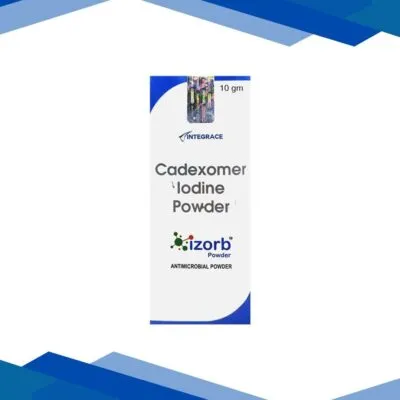
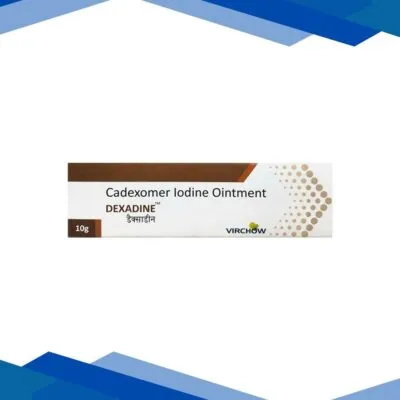
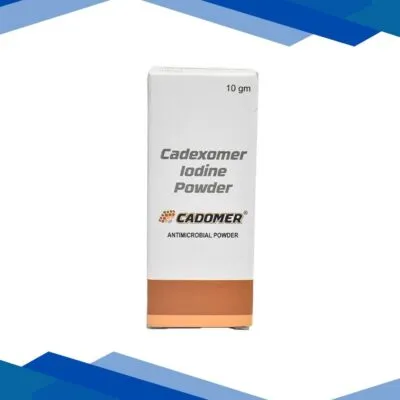
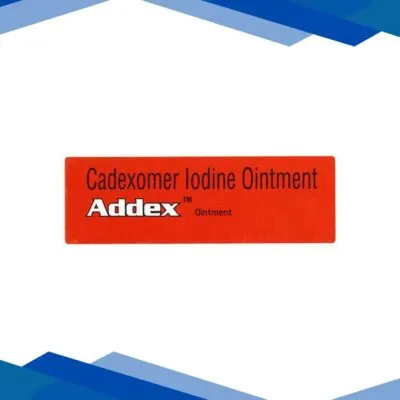
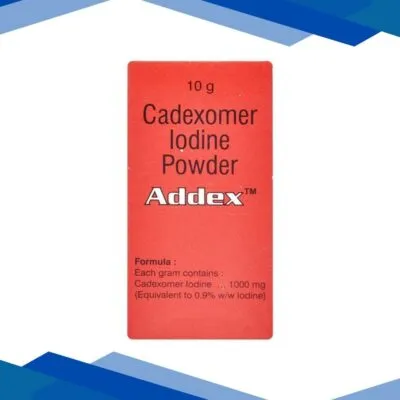
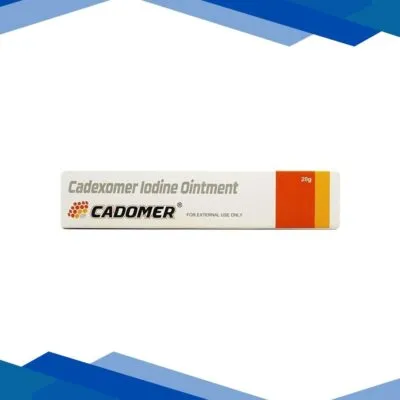
Cadexomer Iodine (Antiseptic & Wound Cleansing Agent)
Cadexomer Iodine is a specialty antimicrobial agent in which the applications are primarily concerned with chronic exudative wound management. It consists of minute hydrophilic starch beads (beads love water) impregnated with 0.9 per cent iodine. Whereas iodine solutions tend to leak off the wounds, cadexomer iodine allows iodine to be released on to the wound bed at a steady, sustained rate, neutralizing infectious bacteria, fungi, and viruses and enabling opportunistic absorption of excess fluid (exudate) and debris.
Uses
Chronic Ulcer Management: Very effective against venous leg ulcers, diabetic foot ulcers, and pressure sores.
Infected Wounds: For infected wounds due to trauma or follow-up care post-surgery.
Biofilm Disruption: Opens the door to break-down the protective ‘biofilm’ barrier that has long restrained the healing of many wounds.
Desloughing: It aids in the removal of the transparent yellow exudate (slough) and pus at the wound site in order to size a clean wound for generation.
Mechanism of Action: Dual-Action Technology
Absorption: When in contact with wound exudate, the cadexomer beads act very much like a sponge and can help absorb fluid to about six times their weight.
Controlled Release: The beads swell because they contain water; under these circumstances, iodine becomes necessary for them to release actively. Because of this, the bead is able to deliver antimicrobial protection into the region for up to 72 hours without harming healthy human skin.
Features
Indicator Color: A visual change from brown to yellow/gray indicates the iodine is depleted and the dressing should be changed.
How to use
Clean: Gently clean the wound surface with sterile saline or water, leaving the wound slightly moist.
Apply: Gently apply the gel or ointment to a depth of around $1/8$ inch (3mm) directly onto the wound or onto a sterile gauze.
Cover: Apply any non-adherent dressing to maintain coverage and protection. Gloves are recommended.
Removing: Gently irrigate the wound with saline to remove the dressing. If the dressing is dried, moisten first to avoid discomfort.
Side Effects
Most commonly, adverse events usually consist of:
Transient Pain: Pain in the wound within the initial hour.
Local Skin Irritation: The main side effect is local irritation manifesting as redness or swelling.
Allergic Reactions: Sensitivity at the point of contact and allergic dermatitis effects the skin, however, with very little incidence.
Warnings & Precautions
State of the Thyroid: It is not indicated in those patients with a compromised thyroid function (e.g., Hashimoto’s thyroiditis, Graves’ disease) due to the potential for the systemic uptake of iodine.
Pregnancy & Breastfeeding: Generally, pregnant or breastfeeding individuals should avoid using cadexomer iodine due to the possibilities of iodine crossing the placenta and crossing into breast milk.
Duration of Use: Do not exceed 3 months of continued use without medical recommendation.
Quantity Limit: Adults: Do not exceed using 50g in one application or 150g per week.
Kidney Function: Exercise caution when using cadexomer iodine on patients with impaired renal function.
Frequently Asked Questions (FAQs)
Q: Is Cadexomer Iodine better than Povidone iodine (Betadine)?
“Questioning” the out-of-the-ordinary situation, Cadexomer Iodine is meant for wet wounds or soaked exudative periwounds, which by far not what regular povidone-Iodine can do, where it would attempt to nullify the excess fluid to some pleasure and release iodine quite gradually in comparison. The disadvantage arrives when revolutionary ions carry destruction to the depth of the most bothersome infection or biofilm in an obliviously supported silence.
Q: How often should I change the dressing?
The dressing should be changed whenever the color changes from a brownish appearance to a yellowish grayish look. This happens anywhere from 2 to 3 times a week but “weepier” wounds may necessitate more frequent dressing changes.
Q: Can I use this on dry wounds or minor cuts?
No. Cadexomer Iodine requires moisture-wounder fluid for its activation and the release of iodine. It would be displayed as being ineffective in any DRY suit and is limited to situations where wound management is appropriate rather than simplistic minor cuts.
Q: Will it stain my skin permanently?
Upon temporary staining of skin and nails in purple, brown, and disappearing eventually, special preventions or secondary dressings are to be maximized to avoid any further damage since the solution loss durability over colored fabrics.
Q: Can children use it?
However, no proper studies have been carried out to provide an assurance degree of safety and efficacy in children. Most likely, it would be informed to not administer the product to infants and small children, as it risks thyroid function. Do always seek a pediatrician’s advice.
Storage
Store at a temperature-range between those $15\text{°C}$ and $25\text{°C}$ and under a cool, dry locale. Do not freeze. Keep the tube or container tightly sealed once you have administered the product.
A disclaimer: Information presented for educational purposes only. It is not a substitute for professional medical advice or treatment. Always seek medical guidance or wound care professionals.