



Showing all 4 resultsSorted by popularity
Filter
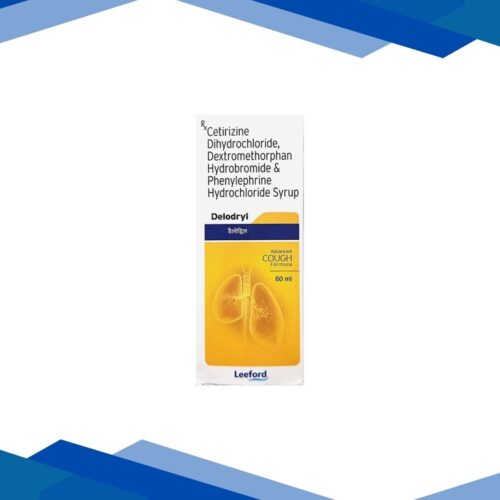
DELODRYL ADAVANCED COUGH FORMULA Syrup 60ml
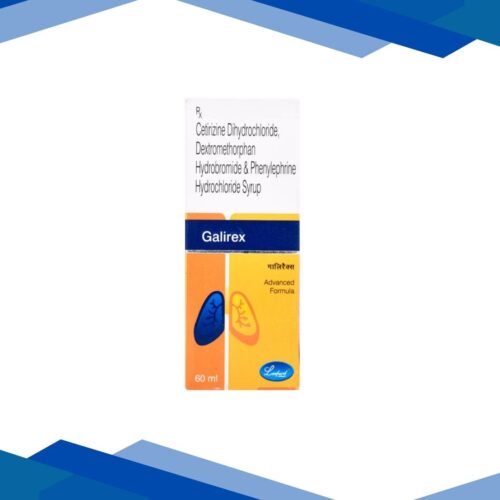

Cetirizine Dihydrochloride – A Fast Relief from Allergies
Cetirizine Dihydrochloride is a widely known second-generation antihistamine used to control the most allergic disorders. Unlike the latter drug categories in terms of allergies, it is described to be of lower sedative quality, providing quick relief from allergy symptoms—sneezing, itching, and watering of eyes—without encouraging the body to fall into excessive sleepiness.
Uses
It is used for the following:
Allergic Rhinitis: Allergic hay fever symptoms caused by pollen, dust mites, or pet dander.
Urticaria: Deals with erythema, swelling, and severe itching in chronic hives.
Allergic Conjunctivitis: Used for red, itchy, and watery eyes.
Common Cold Symptoms: Helps reduce frequent sneezing and runny nose.
Safety Information
Recommendation
Driving
Precautionary because although it is less sedating compared to older drugs, it may still induce sleepiness in some people. Therefore, observe how this medicine affects you before driving.
Alcohol
Not recommended. Alcohol may intensify the sedative effect and make an individual feel extra drowsy or dizzy. Consultation with your medical advisor is essential.
Pregnancy
Generally considered safe during pregnancy, but you should not start the medication without consulting your doctor.
Kidney Health
Dose adjustments may be required in patients with moderate or severe renal impairment.
How to Take Cetirizine
Step One: Take your medication with or without food, keeping the timing about the same each day.
Step Two: Some people prefer taking it before bedtime since it may cause mild sleepiness.
Step Three: Drink plenty of water if you experience dry mouth from the antihistamine.
Potential Side Effects
Most side effects of Cetirizine 5 mg are mild to moderate, including:
Dry Mouth or Throat
Mild Sleepiness or Fatigue
Mild Headache
Rare: Tummy ache, especially in children.
Review
Drowsiness can occur when first using Cetirizine, so if you feel sleepy, consider taking it at nighttime. Even when taken at night, the protection usually lasts for about 24 hours, providing relief until the next morning.
FAQs
1. How fast does Cetirizine get to work?
Most patients notice improvement within 20–60 minutes after taking it. This is considered the onset of action.
2. Is it safe to use Cetirizine every night?
It is generally safe for long-term use if you suffer from year-round allergies. However, consult a healthcare provider if you plan to use it continuously for more than 14 days.
3. Will one feel drowsy the next morning after taking Cetirizine?
Most people do not experience morning drowsiness. Only about 10% of users may feel slightly tired. Unlike first-generation antihistamines such as diphenhydramine, it rarely causes a hangover-like effect.
4. Can it be taken with painkillers?
There are no major interactions between Cetirizine and common painkillers like Paracetamol or Ibuprofen. Always check multi-symptom cold medicines, as they may already contain an antihistamine.
5. Is it useful for itchy skin rashes?
Yes. Cetirizine blocks histamine, which is responsible for itching, redness, and swelling in many allergic skin rashes.