
Showing 1–20 of 52 resultsSorted by popularity
Filter
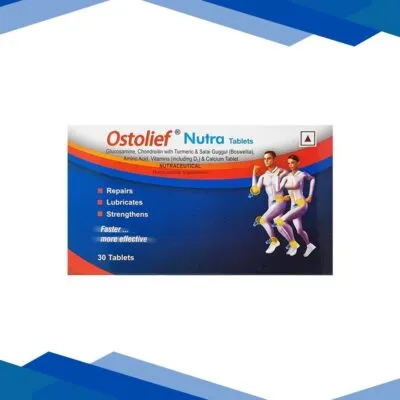
Ostolief Nutra Tablet 30’S


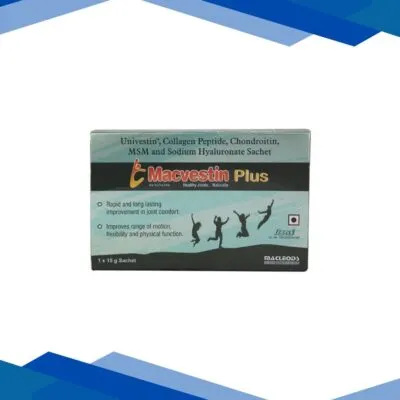
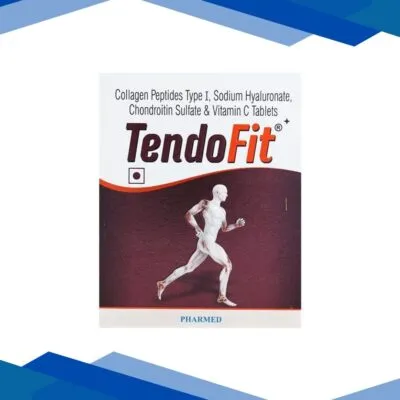

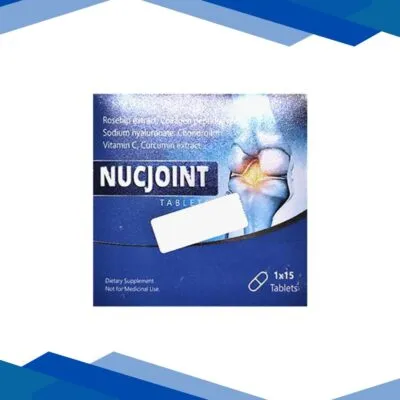
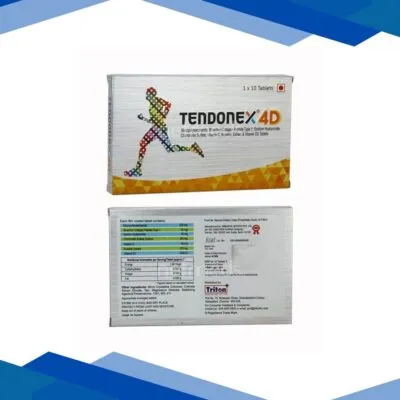

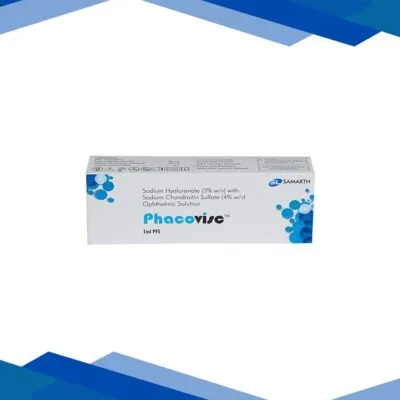
PHACOVISC Prefilled Syringe(Pfs) 1ml
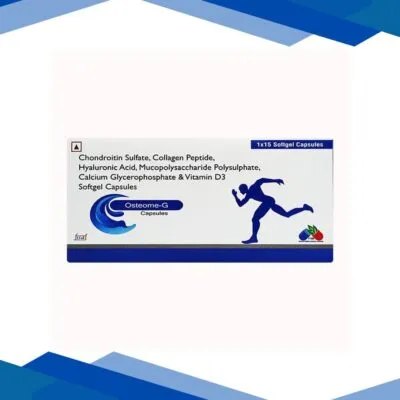

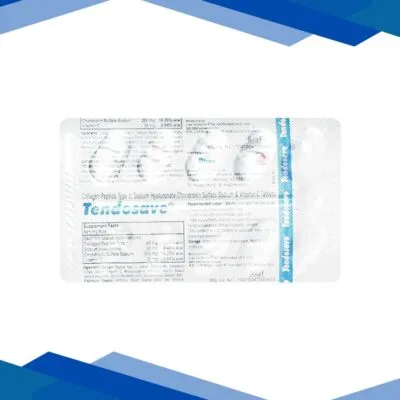
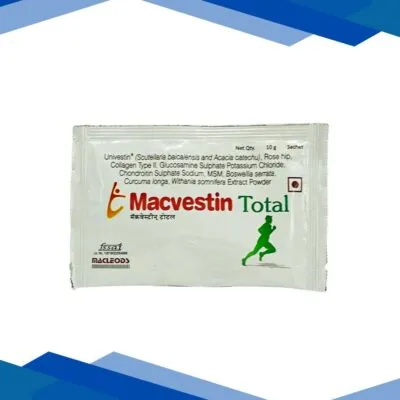
MACVESTIN TOTAL Sachet 10gm
Chondroitin Sulfate: The Biological Change in Joint HealthChondroitin Sulfate is a complex glycosaminoglycan, found naturally in the human body present mainly in the synovial fluid of the joints and firm connective tissues such as cartilage. In orthopedic drug classification, it is considered the Symptomatic Slow Acting Drugs for Osteoarthritis (SYSADOAs). The main advantage lies in that it maintains the tissue structure of the cartilage “matrix,” acting as a biological magnet for the cartilage to draw in water and nutrients, thus maintaining joint lubrication, resilience to mechanical compression, and other joint activities.
Therapeutic Benefits and Clinical Profile
Cartilage Preservation: It inhibits the activity of enzymes like elastase etc responsible for cartilage tissue breakdown in aging or injured joints.
Anti-Inflammatory Modulation: Red on Dudak. Reduces inflammatory mediators (such as cytokines), helping relieve chronic medial joint pain and swelling without the gastrointestinal risks of long-term NSAID use.
Stimulation of Proteoglycans: It acts more as a precursor, inducing chondrocytes (cartilage cells) to produce neo-collagen and neo-proteoglycans and support the general repair mechanisms of the body.
Synovial Fluid Support: Serves to enhance viscosity in the synovial fluid, providing for more smooth movement in joint parts so that friction is reduced during physical activities.
Vascular Health (Minor): Newer research may suggest improvement in elasticity of blood vessel walls as one possible minor indication while the main continue staying musculoskeletal.
Pharmacist’s Insight: Chondroitin vs. GlucosamineThis is an often-asked question about using them together or apart. Clinical experience tells us that these two happen to work best when taken together, benefiting each other.
Chondroitin Sulfate | Glucosamine (Sulphate / HCL)
Primary Role: Offers resistance, elasticity | Forms new tissue
Mechanism: Inhibits cartilage degradation | Stimulates cartilage production
Source: Yeasts, for example, Bovine or Marine | Mostly Shellfish
Belongs to and acts through inhibiting cytokines and consequent joint inflammation | Cytokine modulation
Suppression of Super-Oxides | Suppresses Nitric Oxide
At the cellular level, pain receptor modulation. Nitric oxide modulates the pain receptors. | —
Onset of Action: Slow (2–4 months [time taken for the desired peak effect]) | Moderate (4–8 weeks)
Usage & Administration Guide
Standard Dosage: Typically 800 mg to 1200 mg daily, often divided into two doses. Timing: For optimal absorption and to minimize potential digestive upset, it is best taken with or immediately after a meal. Consistency: Unlike sign-now pain relief, chondroitin requires cumulative build-up in the system. One should take it consistently for at least 3 months to assess it for efficacy.
Frequently Asked Questions (FAQs)
1. How long does it take for Chondroitin to start working? Onset of action is rather slow. While some patients report improved mobility in 4 to 6 weeks, the full clinical benefits for joint space maintenance take at least 3-6 months with daily adherence.
2. Is Chondroitin safe for diabetes? It doesn’t usually lay harm. Because Chondroitin is a complex sugar, it is recommended to monitor blood glucose levels during the period of initial supplementation due to theoretical accommodation with insulin sensitivity in rare instances.
3. Can I take Chondroitin if you have shellfish allergy? Shellfish allergies should not be a problem under most known circumstances, as most chondroitin is derived from bovine or porcine sources. However, many “Joint Support” formulas combine Chondroitin and Glucosamine (which are derived from shellfish). So be sure to check the label carefully for the source.
4. Is it safe in the presence of blood thinners? Because of its structural similarity to a blood thinner, Heparin, Chondroitin might have some potentiality of enhanced bleeding while taking anticoagulants like Warfarin or Aspirin. Thus, always take advice from your cardiologist for use.
5. Can Chondroitin regenerate lost cartilage? It does not fully restore the cartilage which has eroded up to the stage of Grade IV in Osteoarthritis. However, it is mostly efficient at slowing down the rate of attrition and maintains the health of any remaining tissue alive.
Safety & Quality Standards
Purity Check: Make sure your product specifies “Chondroitin Sulfate” rather than just “Chondroitin,” as the sulfate form is the most clinically researched for bioavailability.
Storage: Store in a cool, dry place away from direct sunlight. High humidity can cause the capsules to become sticky.
Disclaimer: This article is for information purposes, and must not be perceived as professional advice, but only to support a consultation with a health-care provider.