

Showing all 2 resultsSorted by popularity
Filter
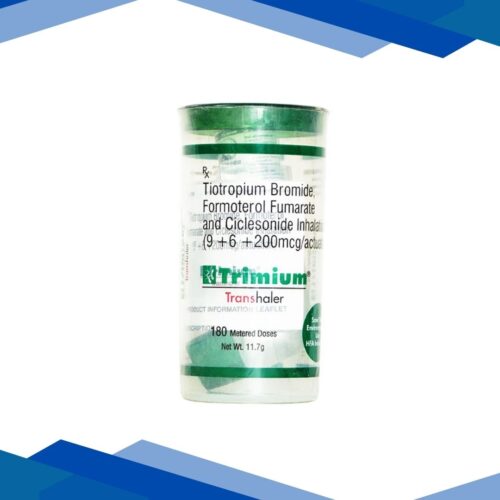
Trimium Transhaler 180Md
Ciclesonide: Breaking Ground in Asthma and Allergic Rhinitis Treatment
Ciclesonide is an extremely potent new-generation corticosteroid to tackle chronic respiratory problems. Ciclesonide works as a “prodrug” indicating it lies dormant until it hits specifically targeted tissue within the lungs or nose passageways. This targeted effect imposes a significantly decreased systemic side effect profile, entailing the steroid as the best-in-class option for sustained respiratory maintenance. Ciclesonide is crucial in both cases of an asthma metered-dose inhaler (MDI) or nasal spray for seasonal allergies. It helps in breathing comfortably by reducing inflammation of the airways.
Therapeutic Indications
Asthma Maintenance: Prevents bronchoconstriction occurring outdoors and indoors in patients with severe asthma.
Allergic Rhinitis: Considered to be just as useful as a group 2 anti-inflammatory medication; renders full relief for symptoms of rhinitis, including congestion, let-alone sneezing, and rhinorrhea as dictated by pollen, dust, or animal dander.
Prophylactic Care: The medication works upon prevention and not treatment of a sudden asthma attack.
Mechanism of Action
Ciclesonide is activated by metabolism by airway-lining enzymes, thus entering a phase from its prodrug state into an active form. Through this active element, it binds to and activates glucocorticoid receptor nodes present on the lung cell’s nucleus, thereby initiating anti-inflammatory response leading to inhibition of cytokine production; enhances the vital transcriptional regulation of genes in eosinophils and neutrophils that induce the inflammatory mediator synthesis, which is regarded as an overreaction towards external stimuli.
Dosing
The appearance of this inhaler may be designated according to the brand name (Alvesco); generally, Ciclesonide is an invasive resolution to a pervasive problem. It is likely for this drug to stay in the lung and not enter the systemic circulation. Pulmonary deposition will be within 50% to 60% of the administrated dose, rather than depending on different diseases or conditions.
Table: This will give a brief description of the sections under which the article will be outlined.
Drug Class
Glucocorticoid (Corticosteroid)
Primary Form
Inhaler (Aerosol) / Nasal Spray
Onset of Action
Significant improvement usually within 1–2 weeks
Feature
High lung deposition with minimal systemic absorption
Use Instructions and Best Practices
Rinse after use. This removes most of the drug from your mouth and throat lessing potential exposure to an oral thrush.
Did You Know? Making sure your device is operated properly: If your puffer or spray is new or hasn’t been used for quite a few days, “prime” it by spraying it into the air once or twice.
Do not shake these Medications: Remember that many of the Ciclesonide inhalers (like Alvesco) do not need to be shaken for use, unlike most other MDIs.
Safety and Precautions
Treating a few potential but very rare side effects:
Hypersensitivity reactions, where difficulty in breathing, swelling, itching, or reddest of the skin are observed, with or without fever.
Note: Give an urgent notification of hospital referral.
REFERRED to HCP (Health Care Provider): Consider a consultation with a primary care provider for patients experiencing laryngeal injury and hoarseness or deepening of voice; oral candidiasis (treatment with antifungals is optional); rare bacterial infection of the nasal cavity; development of systemic corticosteroids with Ciclesonide; for greater harm and increased damage of bone growth in pediatric patients as well as decreased bone density.
Often Asked Questions (FAQs)
1. Can I use Ciclesonide in an acute asthma situation?
I’m afraid not. Since Ciclesonide is a long-acting preventer inhaler, you need to take reliever/”rescue” medication (such as Salbutamol/Albuterol) for sudden breathlessness.
2. How does Ciclesonide differ from other steroid inhalers?
Ciclesonide is unique in the sense that only it gets converted into its active form in the lungs. So, lesser amounts of the drug are absorbed into the bloodstream than with some older corticosteroids, possibly reducing the risks of long-term side effects such as loss of bone density or growth suppression in children.
3. I feel better after using it; can I stop the inhaler?
However well you feel, you should remember this: asthma is chronic in that the inflammation persists. Do not stop using Ciclesonide unless your pulmonologist tells you to because stopping too quickly could switch you into inflammatory mode.
4. Is it safe for children?
Most definitely, ages appropriative doses for use in the pediatric population, like as kids from 6 years and two up to adults of 60 years.
5. What should I do when the nasal spray causes a nosebleed?
Mild bleeding might be expected; in which case, the advice is to abstain; even if mild, do not take it lightly. Seek the advice of the doctor.is that the event was light in its intensity. Ultimately, stop using the spray and contact your doctor.