

Showing all 2 resultsSorted by popularity
Filter
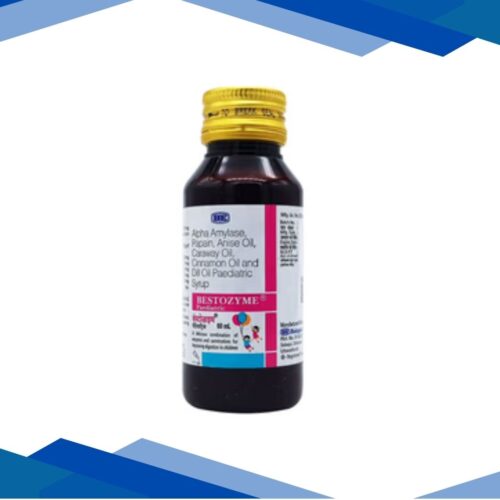
Bestozyme Paediatric Syrup 60ml
Cinnamon Oil: Fresh & Potent Extract of Natural Cinnamon
Cinnamon oil is a highly concentrated extract from the bark or leaves of the cinnamom tree. Apart from its spicy warm aroma and strong healing attributes, it is a popular aid for air sanitization and circulatory effects. It is a regular feature in aromatherapy and topical care for its antimicrobial and circulatory stimulation properties.
Nature’s Warmth for Total Wellness
Cinnamon oil is rich in cinnamaldehyde, a natural compound responsible for most of its therapeutic effects. This makes it helpful for tired muscles, while also creating a warm and comforting environment when used in aromatherapy.
Key Benefits & Uses
Aromatherapy: Enhances mood, concentration, and warmth. Its fragrance creates a comforting atmosphere.
Muscle Soother: When properly mixed with a carrier oil, it may help stimulate blood flow and relieve stiff muscles and joint discomfort.
Natural Antimicrobial: Supports environmental cleansing and skin health (when used carefully) due to its antibacterial and antifungal properties.
Respiratory Support: Often blended with eucalyptus oil to help clear the nasal passages during inhalation therapy.
Oral Hygiene Support: Sometimes added in small amounts to natural mouthwash mixtures to help reduce bad breath and bacterial growth.
Safety & Usability Precautions
Classes
Information
Skin Sensitivity
Very high risk (hot oil). Cinnamon oil can cause topical burns if not properly diluted. Usually, 1 drop of cinnamon oil should be mixed with about 10 drops of carrier oil for safe topical use.
Pregnancy
Avoid during pregnancy because it may have emmenagogue effects (stimulates blood flow to the pelvic region).
Patch Test
Always perform a patch test and wait 24 hours before applying it widely on the skin.
How to Use in Real Life
Diffuser: Add 2–3 drops to a diffuser with water to spread a pleasant aroma and create a relaxing atmosphere.
Massage: Mix 1 drop with 2 tablespoons of carrier oil for a soothing body massage.
Potpourri: Add one or two drops on dry flowers or pinecones to naturally freshen the room air.
Frequently Asked Questions (FAQs)
1. Can I apply the oil directly on my skin?
No. Pure cinnamon oil can cause severe irritation, redness, or blisters. Always dilute it with a carrier oil such as jojoba oil, coconut oil, or olive oil.
2. Is Cinnamon Oil safe for children and pets?
It is generally best to avoid using cinnamon oil around children and pets. Its strong compounds may irritate their skin, lungs, or trigger respiratory problems.
3. Does Cinnamon Oil stimulate hair growth?
In some cases, it may support hair growth by improving blood circulation in the scalp. However, it should be used very diluted and kept away from eyes and sensitive skin.
4. What is the difference between Bark Oil and Leaf Oil?
Cinnamon Bark Oil is stronger, more intense, and often used for its antifungal properties.
Cinnamon Leaf Oil is usually milder and contains more eugenol, making it more suitable for regular aromatic use.
5. Can this oil help in controlling blood sugar?
While cinnamon spice is sometimes linked with blood sugar management, cinnamon essential oil is not a medical treatment. It should never be consumed or used for metabolic conditions without medical supervision.