
Showing all 10 resultsSorted by popularity
Filter
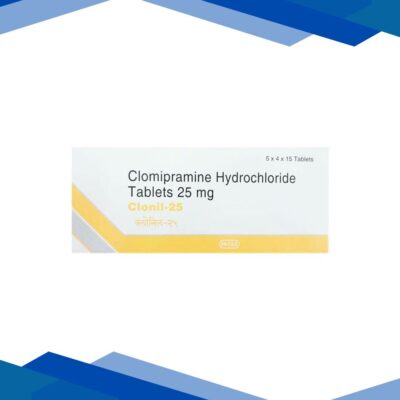
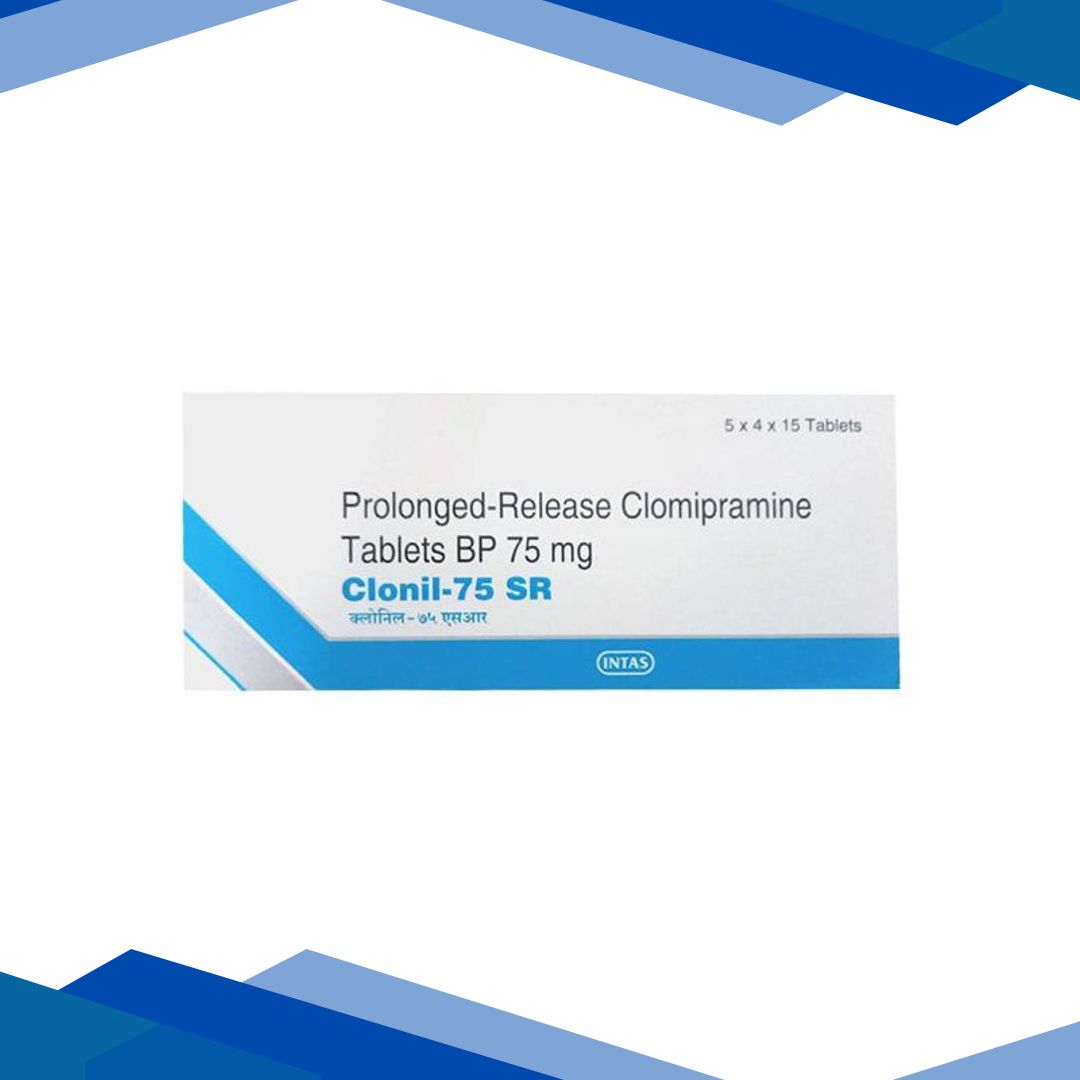
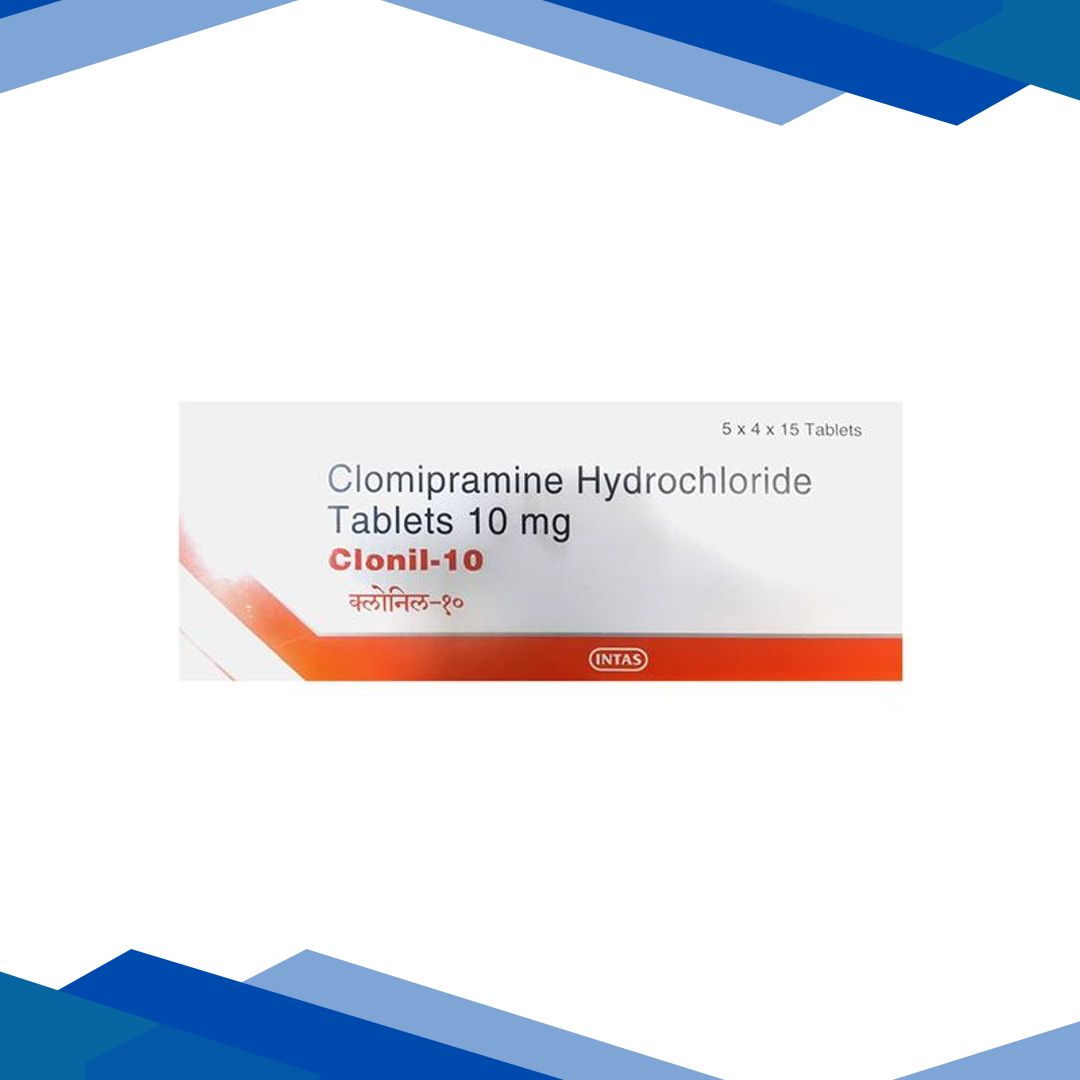
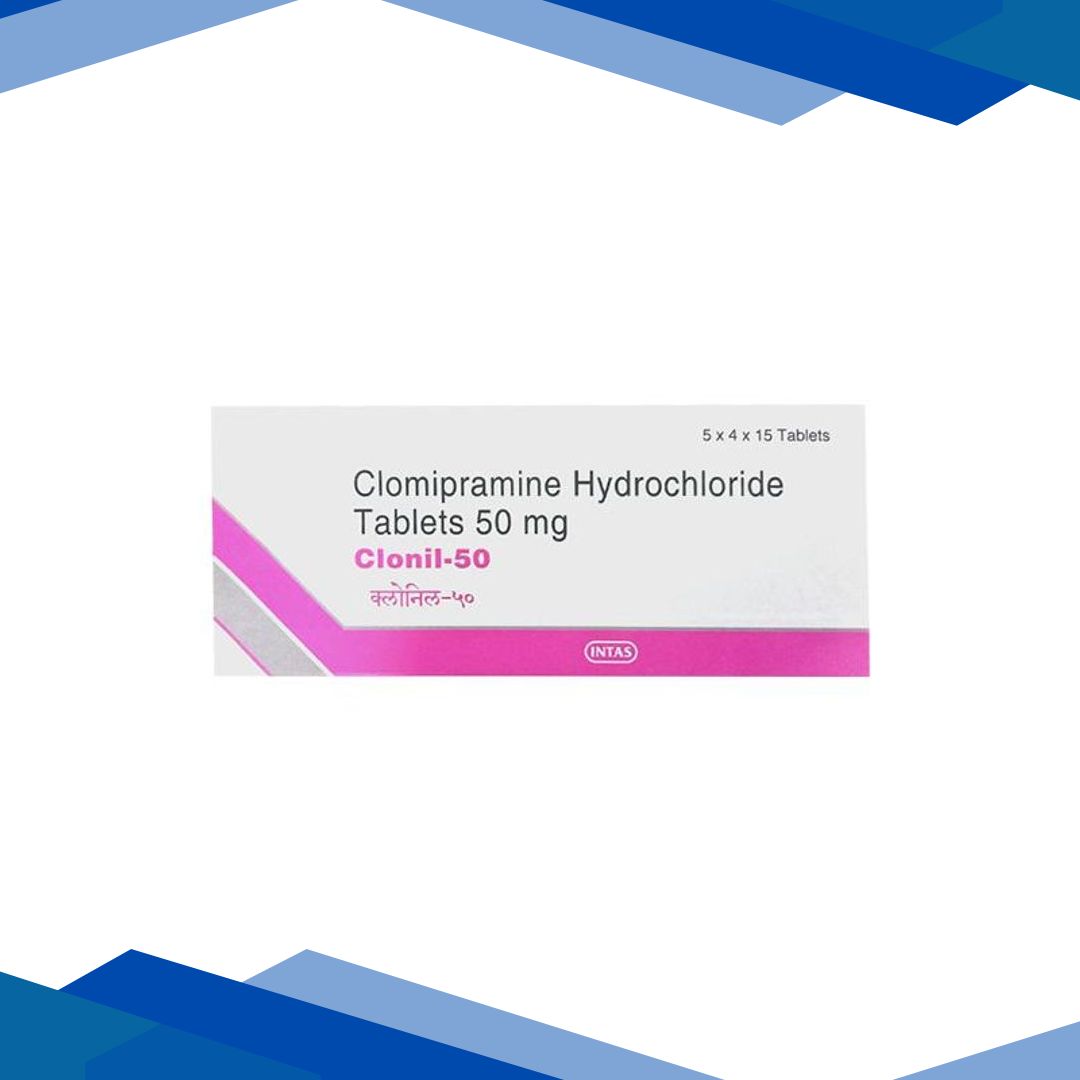
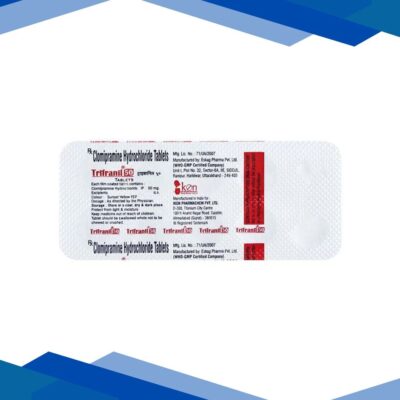
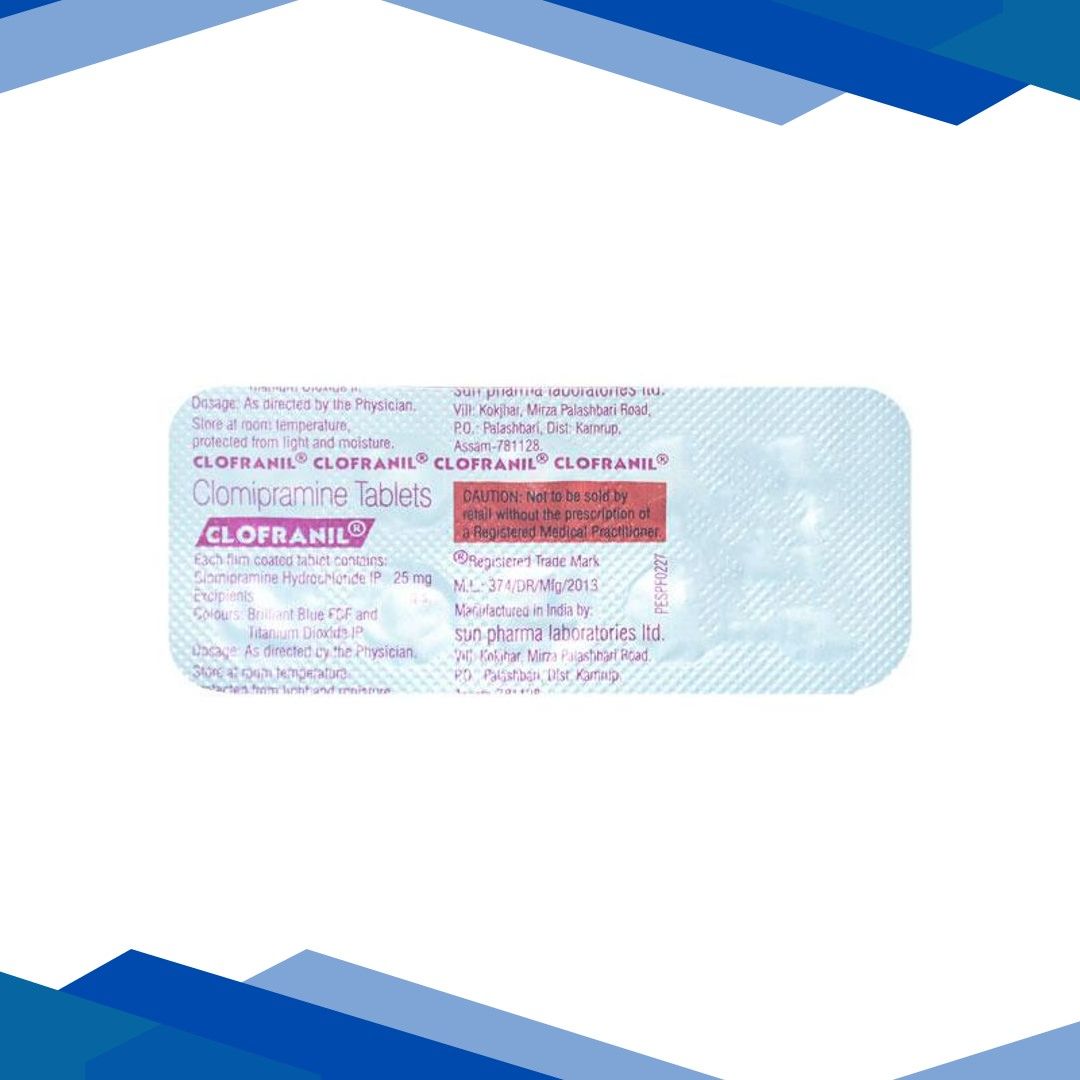
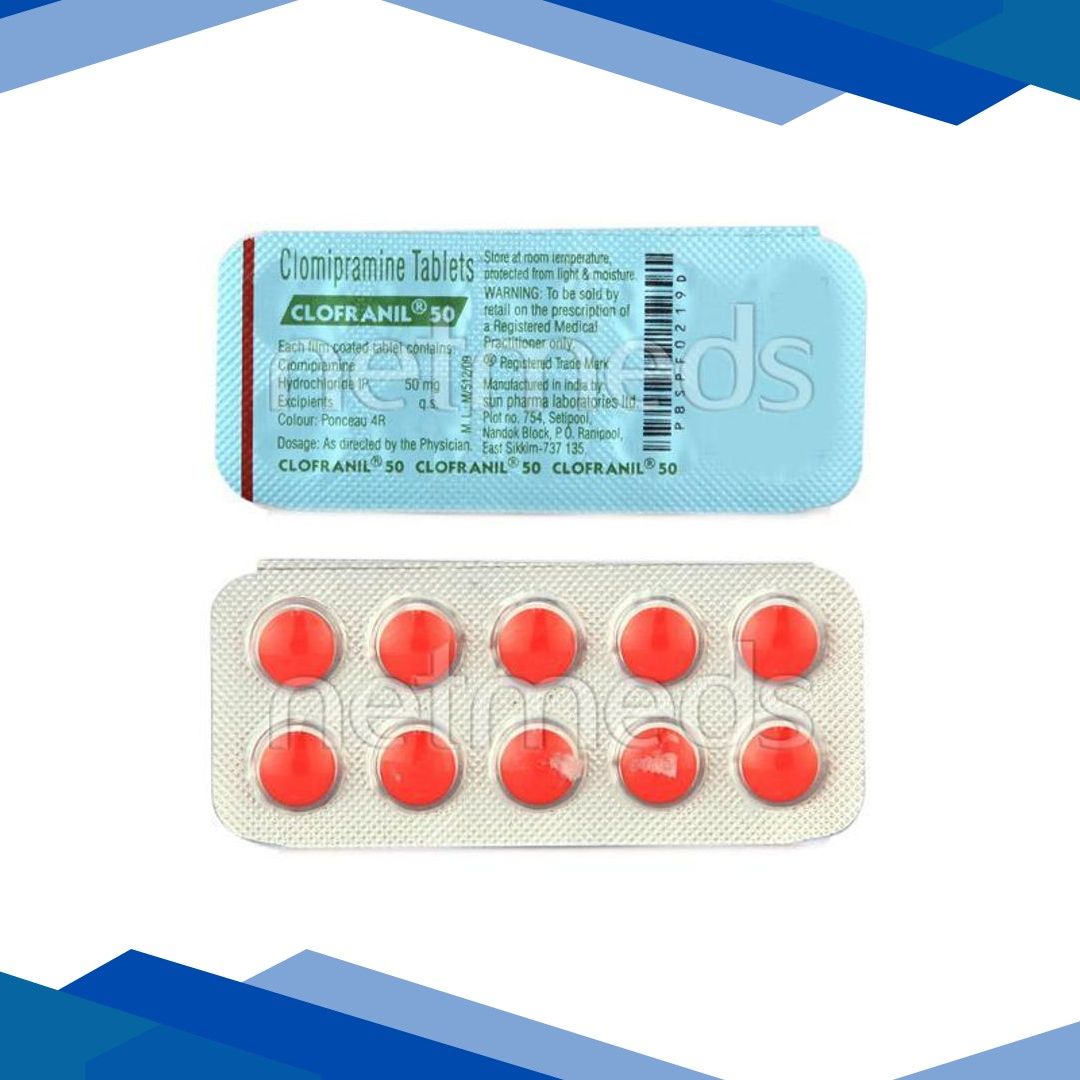
Clofranil 50mg Tablet 10’S

Clomipramine: In the Relief of Mood & Obsessive-Compulsive DisordersClomipramine belongs to the highly effective tricyclic antidepressant (TCA) class. Known to be effective for numerous mood disorders, it is called a “gold standard” in the treatment of obsessive-compulsive disorder (OCD). Clomipramine, which is effective in OCD, has serotonergic effects and significantly reduces the uptake of the receptors which lead to the suppression of the thoughts and behaviors that are characteristic of OCD and panic disorder. For some subjects, the medication is used solely for coping with the symptoms of depression, panic attacks, or pain management.
IndicationsPrimary
Obsessive-Compulsive Disorder (OCD): Reducing the intensity of compulsive behavior and unwanted intrusive thoughts.
Panic Disorder: Lowering the frequency and severity of sudden and unexplained panic episodes.
Major Depressive Disorder: It is usually used as a second option when SSRIs show nonsufficient outcome.
Patients Being Persuaded by Any of the Following Symptoms Should Act in A High-Functioning Way with ClomipramineCataplexy along with Narcolepsy: Impeding muscle weakening without warning at the advent of potent feelings on situations of heightened excitement.
How Clomipramine WorksClomipramine blocks neurotransmitter reuptake for both serotonin and norepinephrine in the brain. This process keeps these chemicals at the synapse level for a longer period—which helps to confirm stability and “mediated design” for suppressive obsessions by the brain.
How to Use Clomipramine Correctly
Dosages: The medication usually starts at low doses (e.g., 25mg) to begin with. One’s psychiatrist may further scale up in response to the patient’s clinical status.
Method of Administration: Swallow tablets with water. In case of sedation, a good strategy would be to take most of the daily dose at bedtime.
Patience: Two to four weeks might be needed for the first observable changes in mood, and full-on effects are only expected to pop in only after ten weeks in OCD symptoms.
Safety & Monitoring ChecklistCategoryAdvice & GuidelinesCardiac HealthCaution. TCA medications can occasionally affect heart rhythms. Inform your doctor if you have a history of arrhythmia. GlaucomaUse with caution in patients with narrow-angle glaucoma, as it can slightly increase intraocular pressure. Seizure RiskClomipramine can lower the “seizure threshold.” Ensure your physician knows if you have a history of epilepsy. Abrupt StoppingDo not stop suddenly. This can cause withdrawal symptoms like nausea or irritability. Always taper off under medical guidance.
Potential Side EffectsBecause Clomipramine affects several neurotransmitters, some “anticholinergic” side effects are common, especially in first few weeks:
Dry mouth and increased thirst.
Blurred vision or dizziness upon standing.
Constipation or mild weight gain.
Occasional tremors or increased sweating.
Frequently Asked Questions (FAQs)
1. Is Clomipramine better than SSRIs for OCD? In many clinical studies, Clomipramine is considered more effective than newer SSRIs for severe or “treatment-resistant” OCD, also because it has more side effects. Your doctor would know what is best for you, depending on the response of your actual system.
2. Will it make me drowsy? Drowsiness is a very common side effect. It is particularly noticeable when the medication is first started. In most cases, such a side effect wanes within the first week upon introduction of the medication. Taking the medicine at bedtime helps with this problem in some cases.
3. Can I take alcohol while on this medication? It is strongly advised to abstain from alcohol. Clomipramine will amplify the effects of alcohol and, in turn, impede motor coordination, eventually inducing intense sedation.
4. Do sexual side effects exist when being treated with Clomipramine? It is indeed so that sexual dysfunction exists for many serotonin-afflicted drugs. It’s good to bring this up if it bothers you-here the clinician will adjust medications or suggest supportive reparations.
5. What about use in children? Clomipramine is one of the few TCAs that are allowed when carefully overseen by a pediatrician for the treatment of OCD in children older than 10.