
Showing all 13 resultsSorted by popularity
Filter
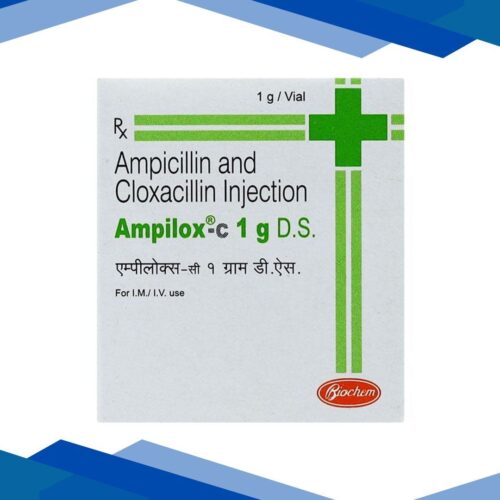
AMPILOX C DS 1gm Injection 1’s


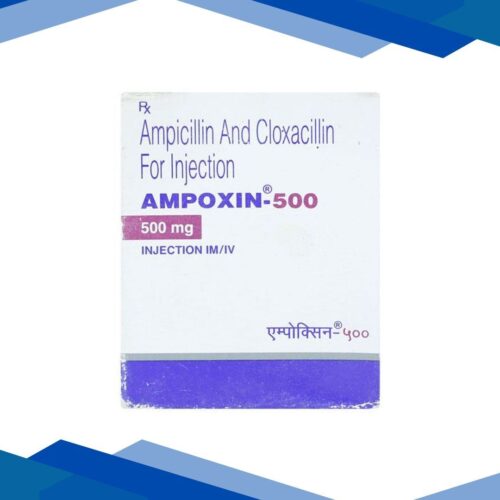
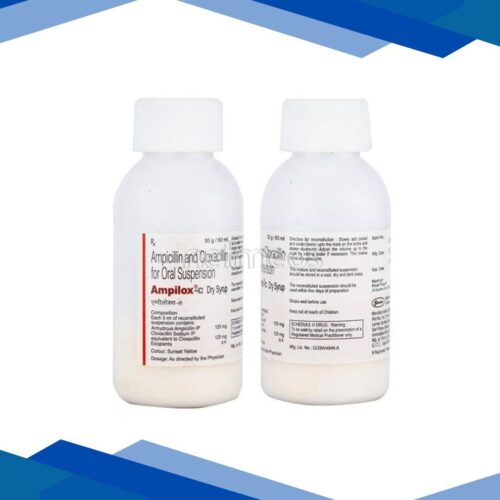
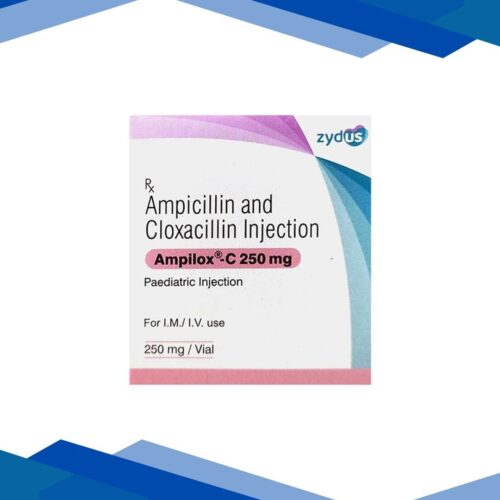
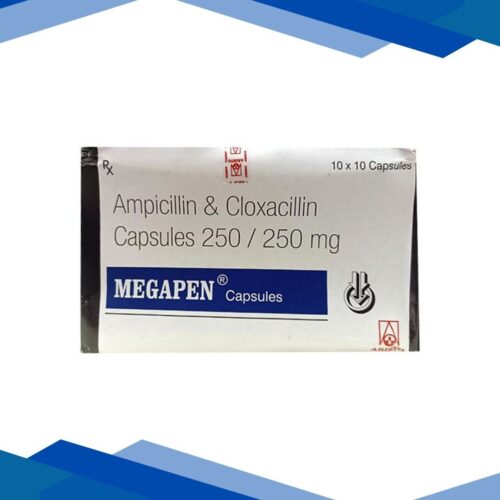
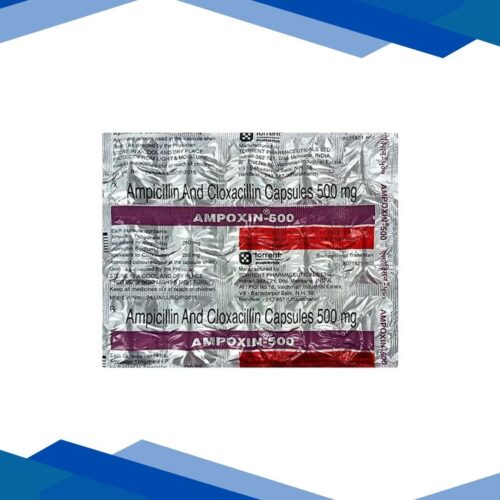
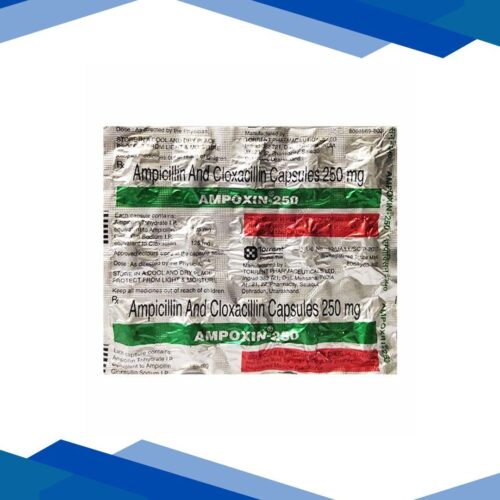

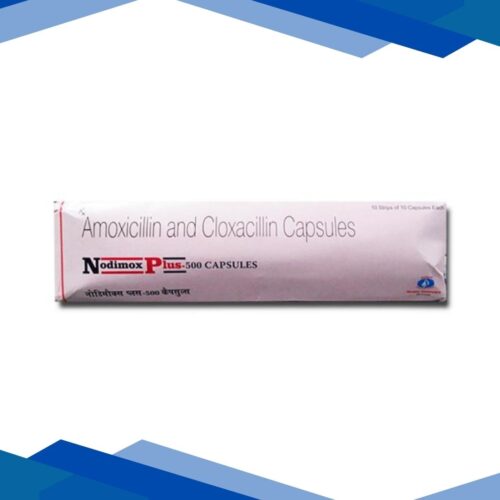
Nodimox Plus 500mg – Strip of 10 Capsules
Cloxacillin: Indications, Usages, and Noteworthy Safety Recommendations
Cloxacillin is a specialized and relatively narrow-spectrum antibiotic group derived from the penicillin group. This antimicrobial drug is made to target bacteria of the Staphylococcus family that are capable of producing penicillinase enzymes that destroy usual penicillins. The drug disrupts the formation of the bacteria cell wall, thereby preventing the infection from spreading and allowing the immune system to heal.
Indications for Therapy
Cloxacillin indications are as follows:
Skin and Soft Tissue Infections: Abscesses, boils, cellulitis, and infected wounds.
Respiratory Tract Infections: Infections like tonsillitis, pharyngitis, and pneumonia as suitable strains.
Bone and Joint Infections: It is usually used in treating osteomyelitis.
Postoperative Prophylaxis: Preventing infection following surgical operations.
Quick Facts for Patients
Detail
Drug Class
Penicillinase-resistant Penicillin
Common Presentations
250 mg/500 mg Capsules, Oral Suspension, Injection
Primary Indications
Gram-positive bacteria (Staphylococcus)
Prescription Category
Schedule H (Rx only)
How to Use Cloxacillin most fittingly
Food is a big inhibitor in the absorption of Cloxacillin; therefore, it is recommended to administer Cloxacillin in the following ways to ensure the drug concentration in the bloodstream is effective:
Empty Stomach: Take your dose at least 1 hour before or 2 hours after consuming food.
Hydration: Drink each tablet with a full glass of water.
Complete the Course: Continue until the entire prescribed course is over, even if you feel better within 48 hours, or the infection could recur, more severe than before, because of antibiotic resistance when you use the drug later.
Safety Measures and Side Effects
This drug is a notorious effective drug, but not for all patients. VITAL CONSIDERATIONS are as follows:
Warnings-
Penicillin Allergy: If you have ever had any skin reactions, swelling, difficulty in breathing with penicillin, or cephephalosporin preparations, inform your physician directly on the same.
Kidney Function: Kidneys and Cloxacillin: Here, it is paramount to note that patients with renal failure need an adjustment in dosages.
Oral Contraceptives: There is a temporary decrease in the levels of efficacy of contraceptive drugs with cloxacillin. So, another contraceptive measure should be in application during treatment.
Common Side Effects:
Nausea or vomiting.
Diarrhea: Stop using the drug and contact a doctor if diarrhoea is severe or bloody.
Skin rash or itching.
FAQs
1. Why must Cloxacillin be taken on an empty stomach?
Food plays a barrier role in the stomach that prevents high absorption by Cloxacillin. Ideally, absorption on an empty stomach allows for more of the drug within the high concentration ratios to get into the system to fight the bacteria.
2. Can Cloxacillin work against cold or flu?
No, Cloxacillin treats bacterial infections only. It has no effect on viral infections like cold, flu, and many sore throats.
3. Is it okay to drink alcohol during the course?
Although there is no evidence of an immediate danger association with intake, alcohol shall exacerbate dehydration and place an overload on a deflated liver while your body fights with infection; it’s all in your and your physician’s call not to booze until healed from the disease.
4. What happens if I skip a dose?
Just go ahead and take it. Don’t take an overdose of it, though. If you’re close to your next dose, never take the missed dose — it will sure kill you. Thus the point of skipped doses being not so big a blight on positive side edge is so feasible.
5. Can I Take Cloxacillin When I Am Pregnant?
Although capped as ‘B’, pregnancy safety still needs to be assessed with caution since we believe it safe within the considerable dough that preggo dams are in the doctor’s hands anyway for initiation, upkeep, and evaluation.