
Showing 1–20 of 25 resultsSorted by popularity
Filter
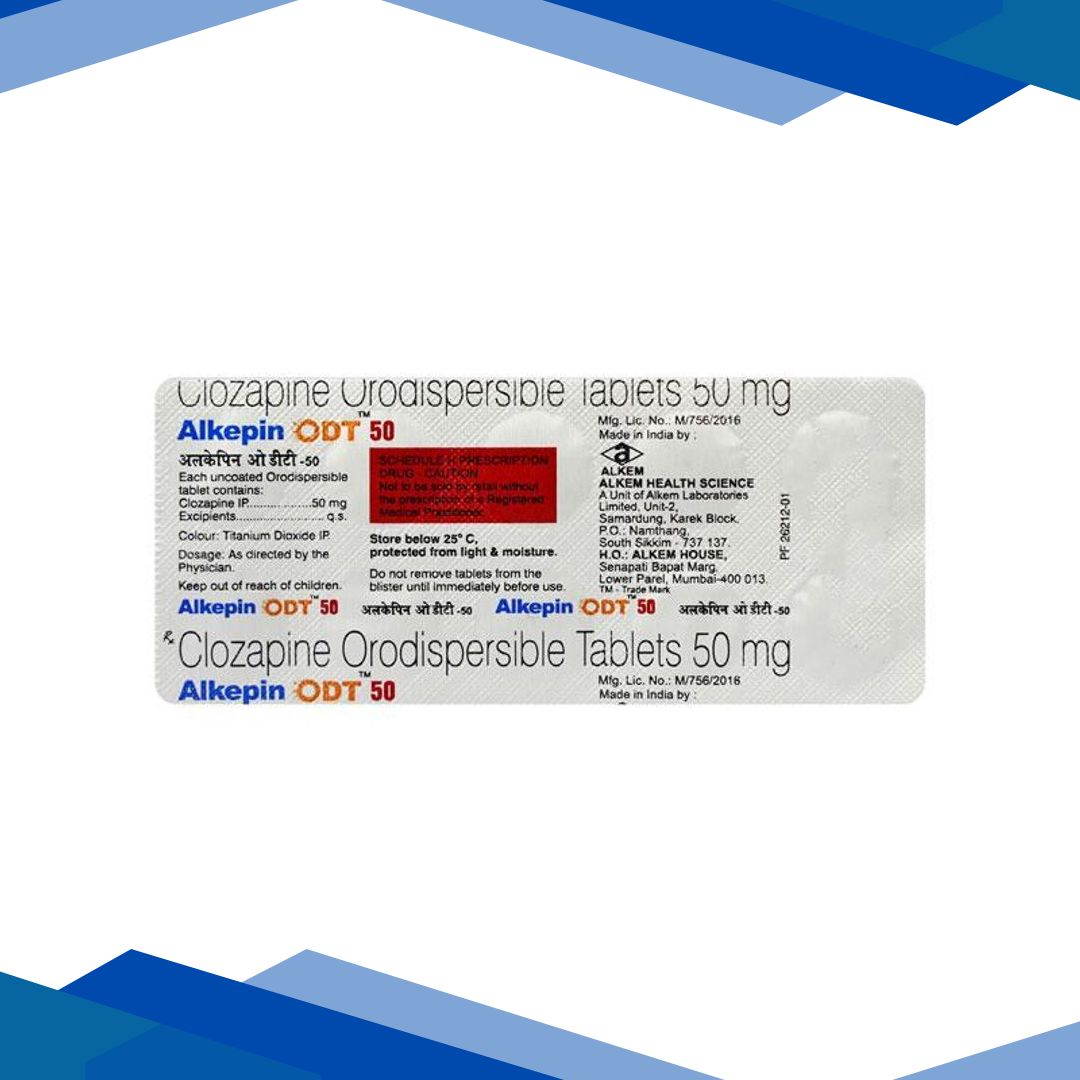
Alkepin Odt 12.5mg Tablet 10’S



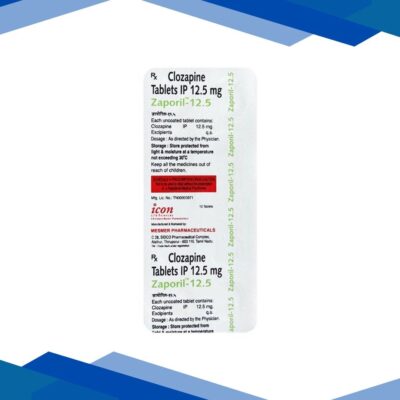
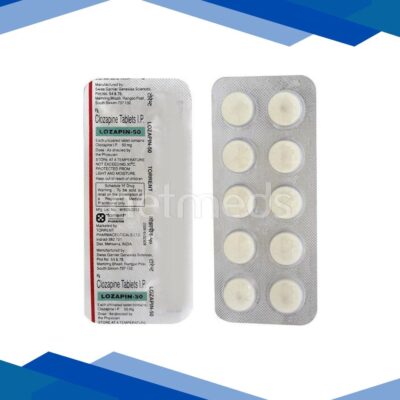
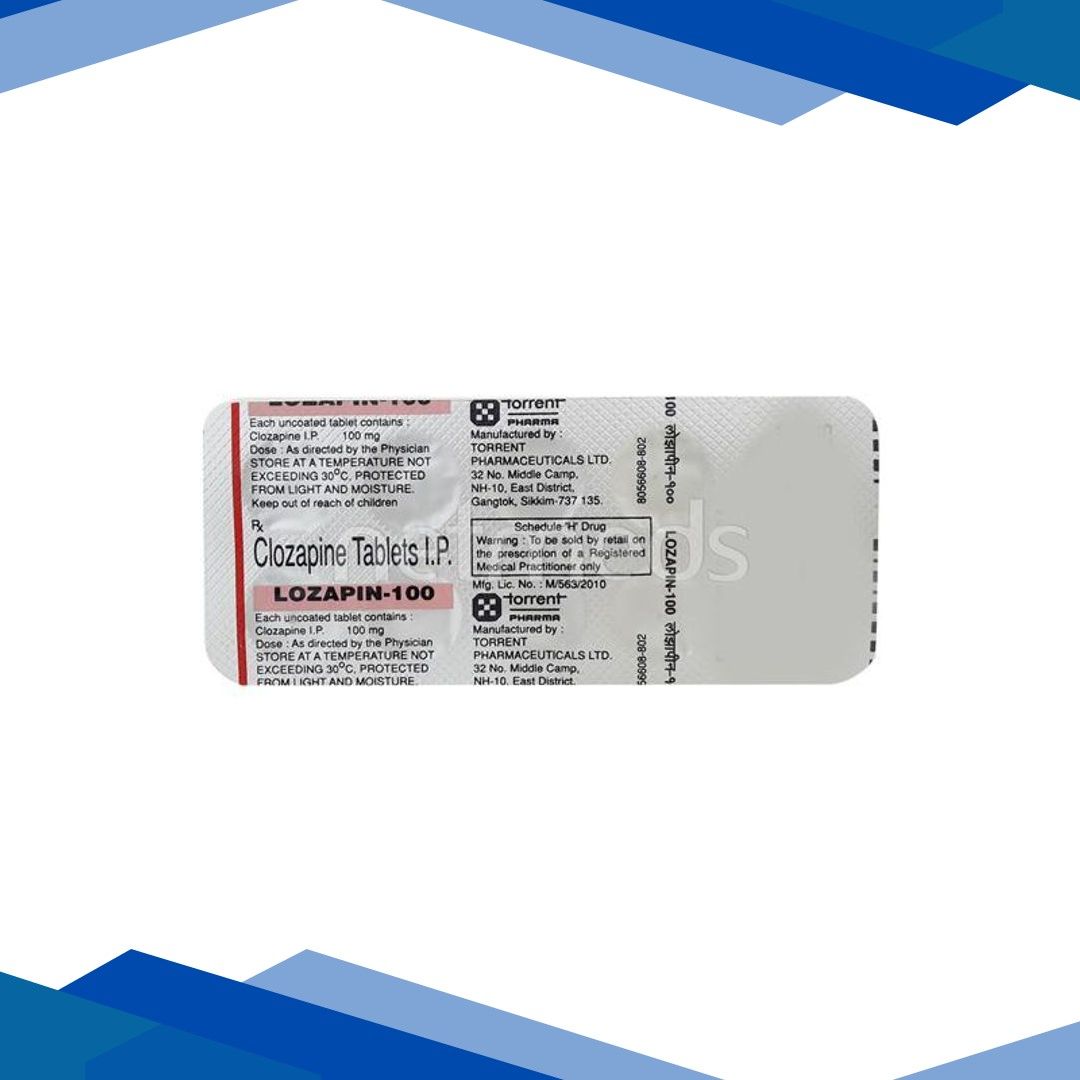

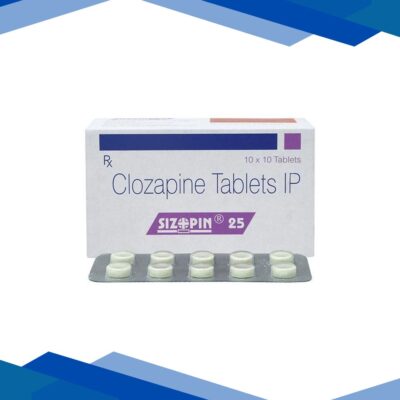
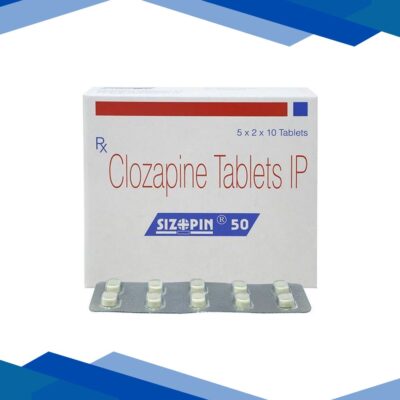
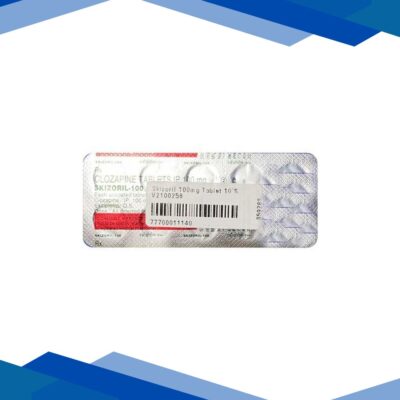
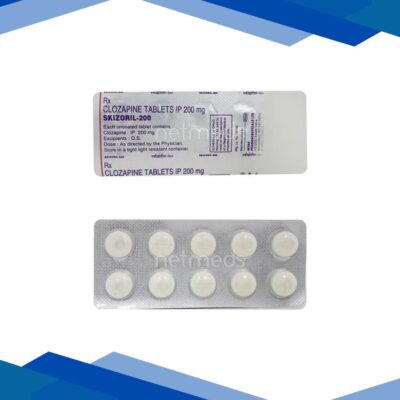
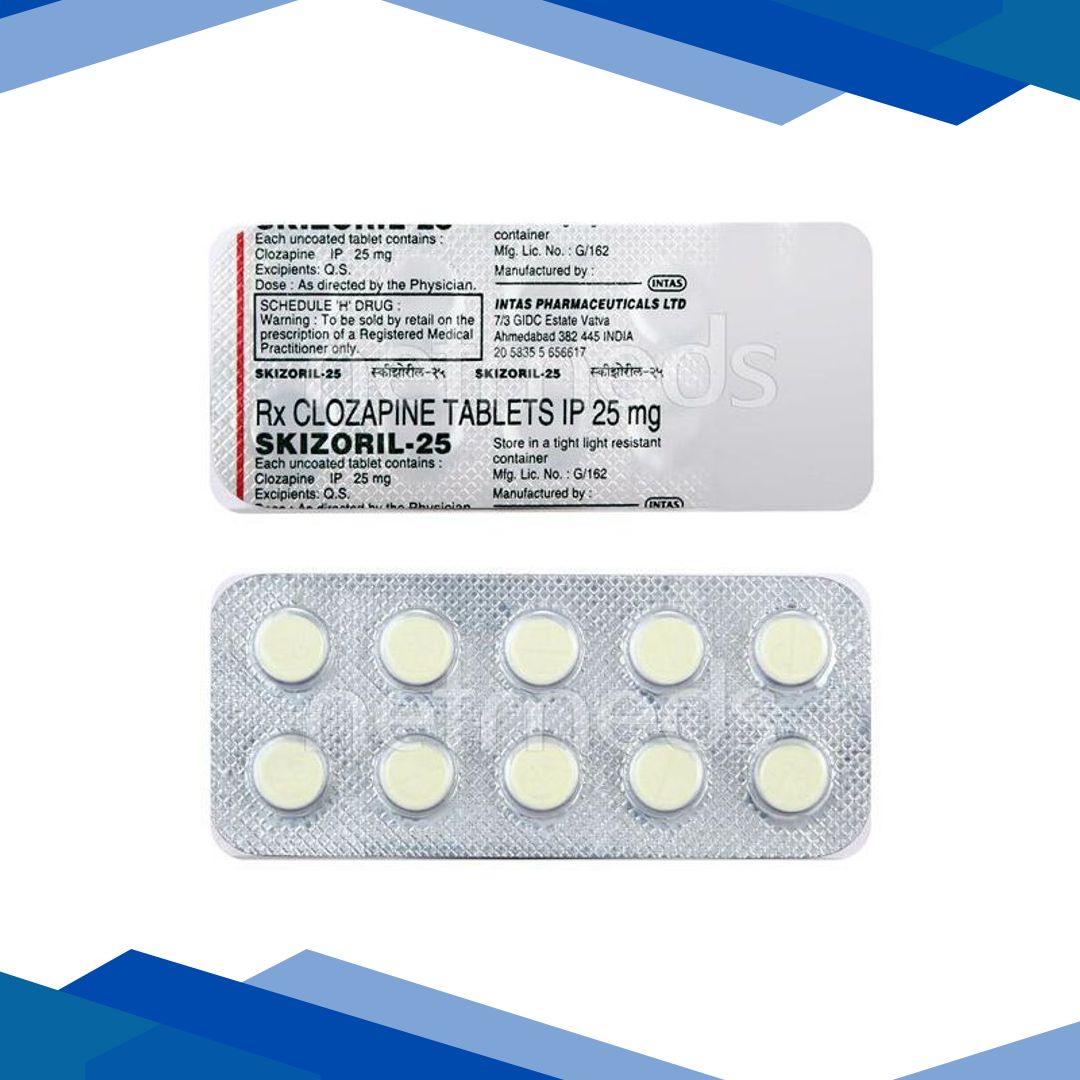
Skizoril 200mg Tablet 10’S

SKIZORIL MD 200 Tablet 10’s
Clozapine: Specific Treatment for Treatment-Noted Schizophrenia
Clozapine is an atypical antipsychotic agent especially meant for people who have not totally benefited from standard approaches to psychiatric care for some extent. It is called the “gold standard” for handling cases of treatment-resistant schizophrenia. Different from other most psychiatric medications of its kind, clozapine is a fairly complicated drug, which interacts at several major sites with varied neuroreceptors (dopamine, serotonin, and norepinephrine), thus stabilizing mood, curtailing hallucinations, and honing cognitive pathways. Usage guidelines are stringent and very cautious due to the drug’s potency.
Primary Therapeutic Indications
Treatment-Resistant Schizophrenia: For those patients who have not shown improvement essentially after trials of not less than two antipsychotics.
The Importance of Monitoring Blood
Clozapine is unique in that it requires periodic blood checking throughout the therapy. This is because of a rare, life-threatening condition called agranulocytosis, where the white-blood cell (WBC) count falls alarmingly.
Initial Phase: Periodic blood monitoring at weekly intervals for the first six months.
Maintenance Phase: Once the initial checks have shown stability, the interval may be drawn to every-other-week, then eventually monthly.
Protocol: No pharmacy should dispense Clozapine without an up-to-date/blood test. Wherever the prescription reads, “take 1 (one) tablet daily, as directed,” these instructions by the physician must be adhered to.
Given all of the above, patients or guardians should remember: take only one dose per time; the dose will usually start from a very low point and will proceed after regular intervals of adjustment, ranging from one to two weeks, until the substantial dose-closer to what has been planned all along is reached.
Titration: Usually dosing will commence with a minute fraction, say 12.5mg, then continually increased after a number of weeks or so. Such an approach is desirable because it gives your body sufficient time to adjust.
Time: We find it usually being administered once or twice a day, and is taken at bedtime by many people to sustain daytime drowsiness.
Administration: You may consume the tablets without any regard to food.
Safety and Checklist
Special Consideration | Clinical Guidance
Smoking Quite crucial. Your smoking status can significantly impact Clozapine levels in the blood. Inform your doctor if you plan to stop smoking.
My doctor: Perhaps there is no diagnosis of epilepsy. Also, let your doctor know in case of a history of epilepsy and any risk factors concerning epilepsy.
Tell your doctor if you have chest pain or experience difficulty breathing.
After starting treatment with clozapine, constipation can become frequent. To avoid the potential side effects of constipation, constipation should be anticipated, treated, or identified early with the help of foods high in fiber. If the patient’s findings are in place, this could lead to a success.
Undoubtedly, some unknown side effects can be attributed to Clozapine:
Heavy salivation (sialorrhea). Mostly occurs during sleeping.
Other examples include: Drowsiness or sedation. Fast heart rate (tachycardia). Weight gain or metabolic changes. Feeling dizzy when standing up (orthostatic hypotension).
Frequently Asked Questions
1. Why is Clozapine placed at the end of the line after all other treatment modalities?
Clozapine is very effective; however, patients require a blood-test for a white blood count, and this we do right after all the other drugs are tried. Many times, however, patients with no response to the standard choices will finally show improvement on clozapine.
2. Can I drink coffee while taking Clozapine?
Caffeine affects Clozapine levels. Keep your caffeine intake constant. Make certain your healthcare provider knows if you radically increase or decrease your caffeine intake so they can monitor your dose.
3. What happens if I miss my dose for more than two days?
Important: If you miss a dose for more than 48 hours, do not return to the original dose and inform the doctor promptly. Chances are you will begin on a much smaller dose and “re-titrate” to guard for continued safety.
4. Does clozapine help with anxiety?
Despite not treating anxiety specifically, it sometimes provokes a reduction in very severe agitation or anxiety but only when these symptoms are brought about by psychotic symptoms.
5. Can I drink alcohol with Clozapine?
Definitely no. Mixing Clozapine and alcohol, both central nervous system depressants, could trigger massive reactions, leaving you completely drowsy, with oxygen depletion, raising your potential risk for accidents.
Terms & Conditions: this information is strictly for educational purposes and does not replace the expertise of a medical professional. Clozapine is a very special drug for acute prescribing. Just look out for your psychiatrist and health care provider for proper advice about your treatment plan and necessary monitoring of blood.