
Showing 1–20 of 28 resultsSorted by popularity
Filter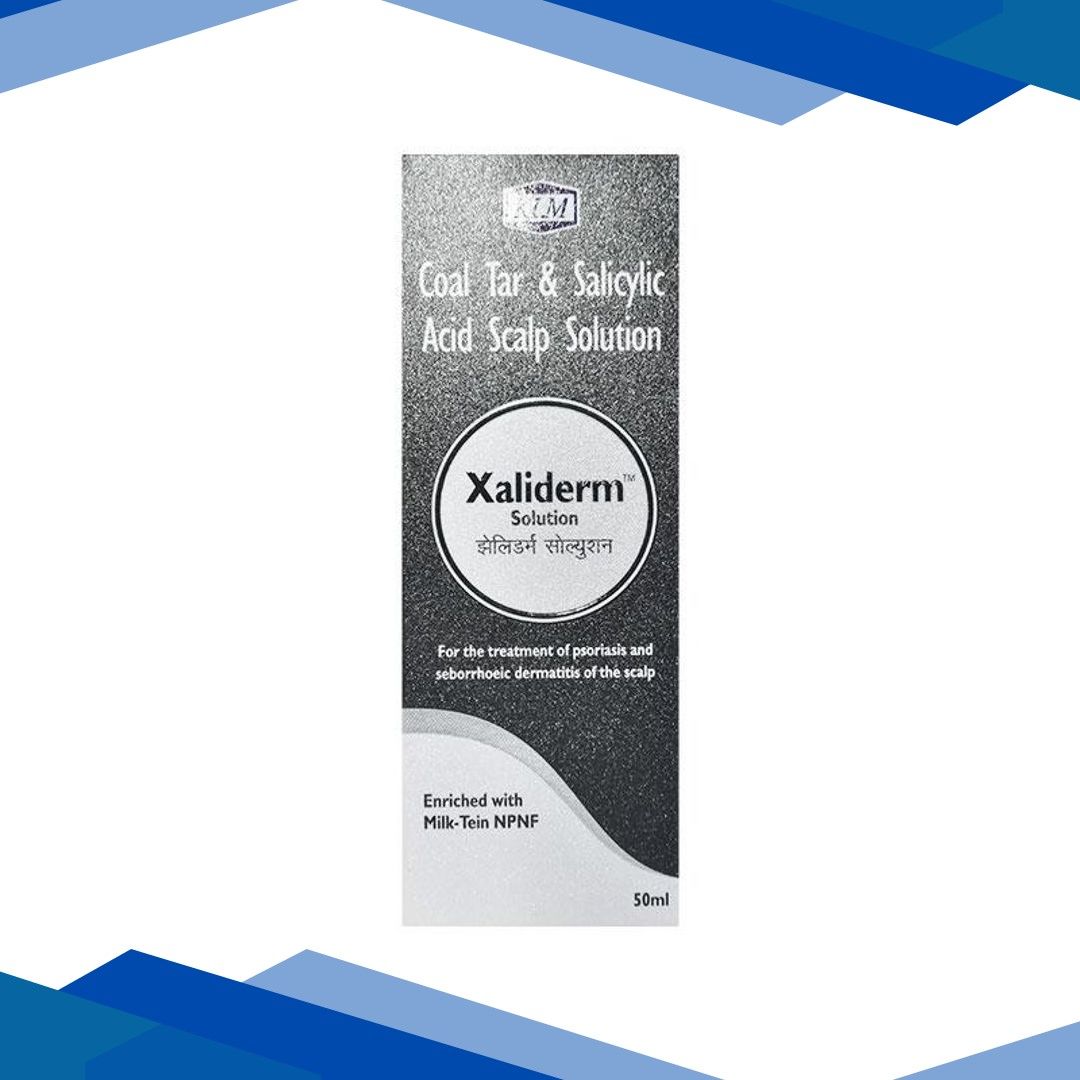
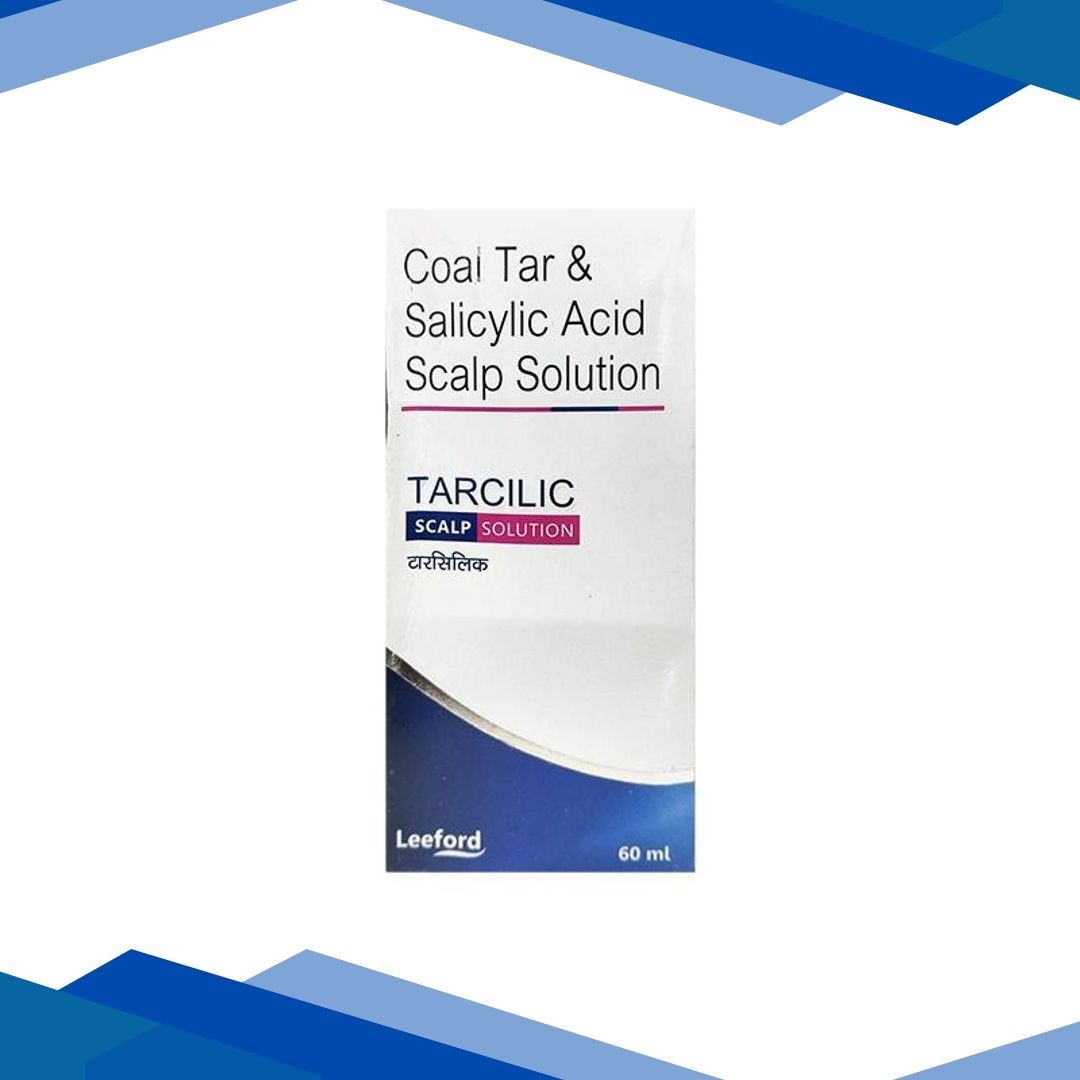
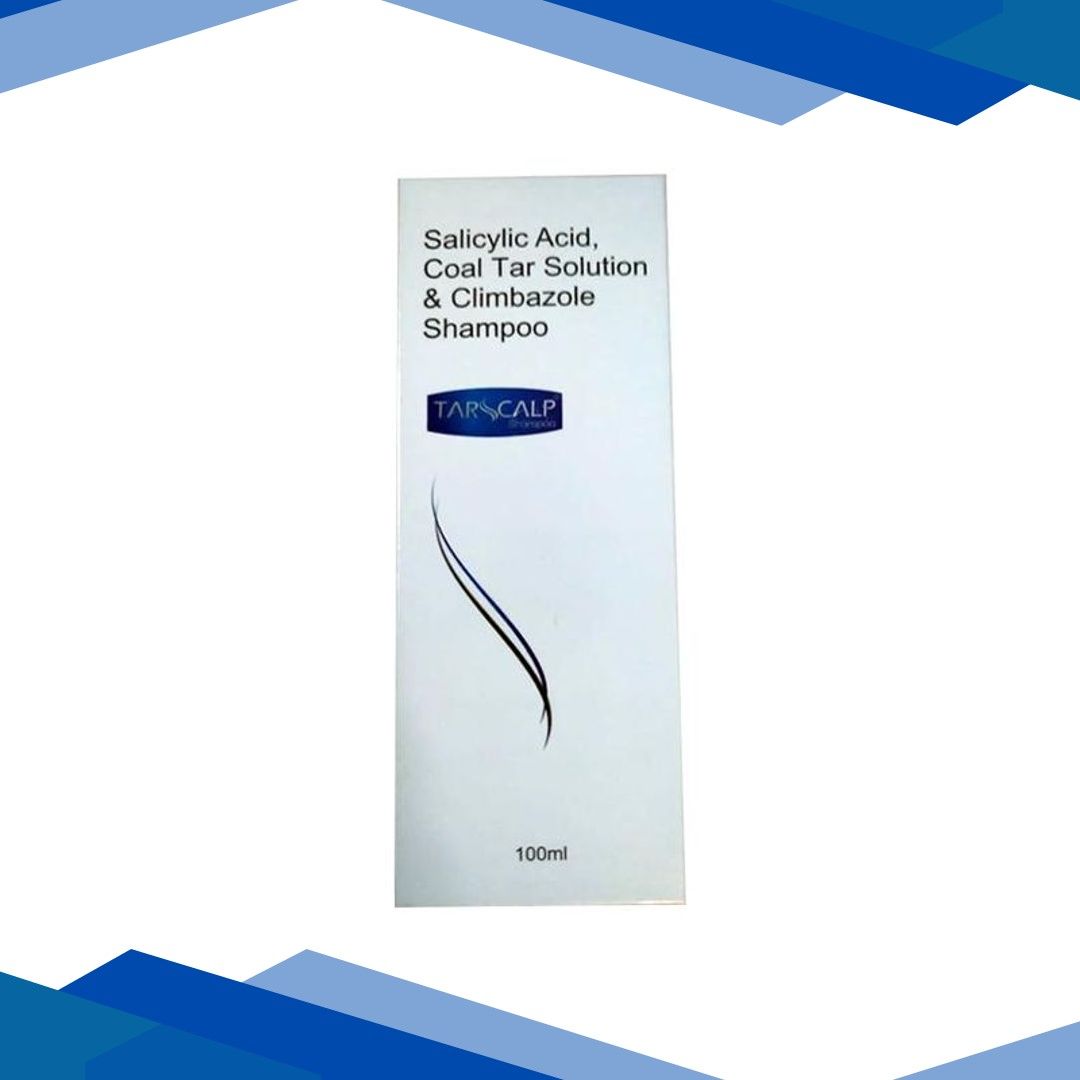
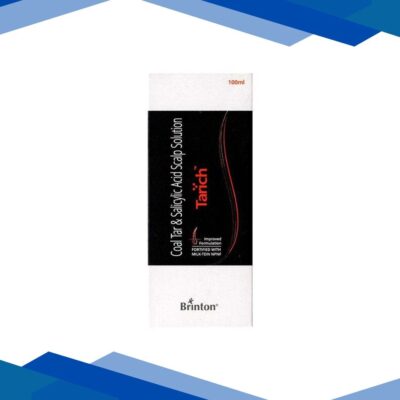
Tarich Scalp Solution 100ml
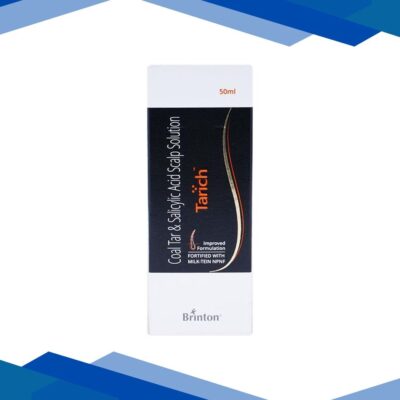
Tarich Scalp Solution 50ml
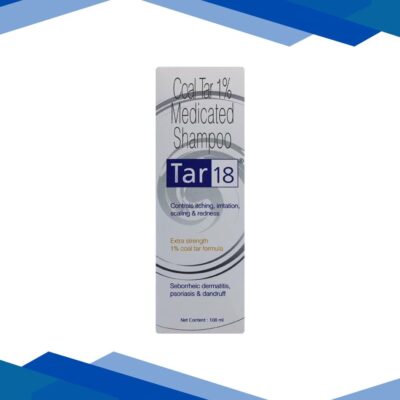
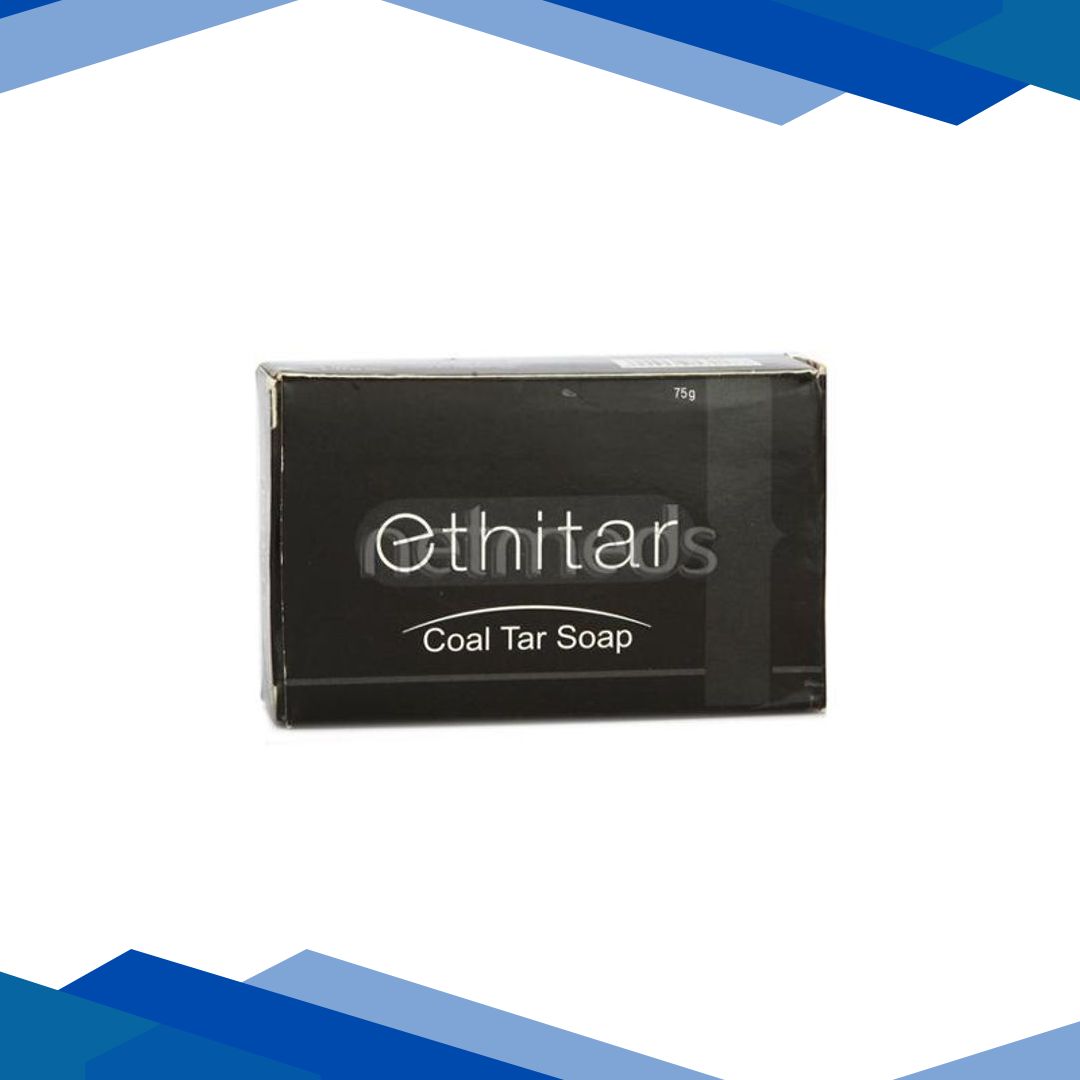
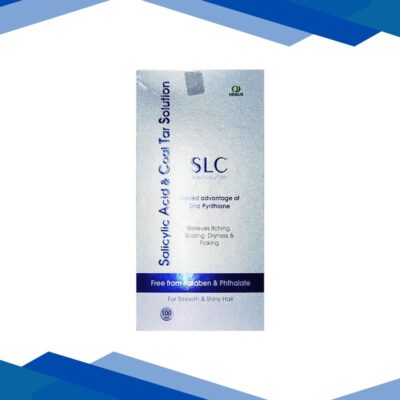
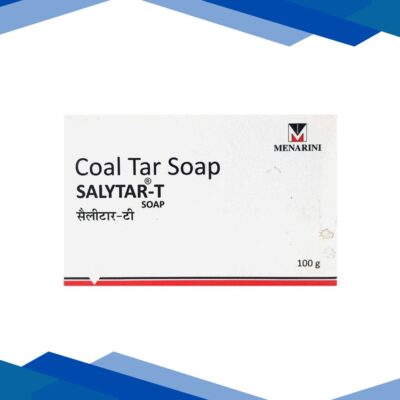
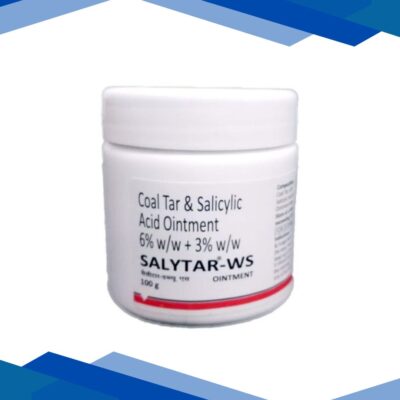
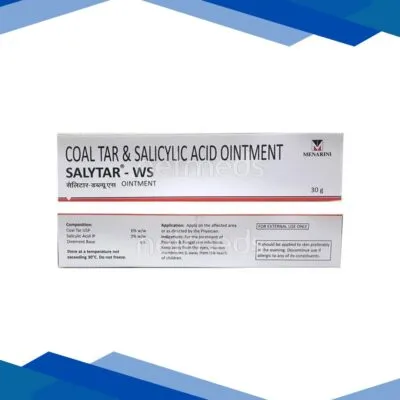
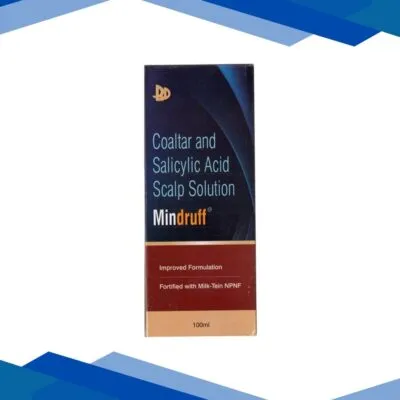
MINDRUFF Scalp Solution 100ml
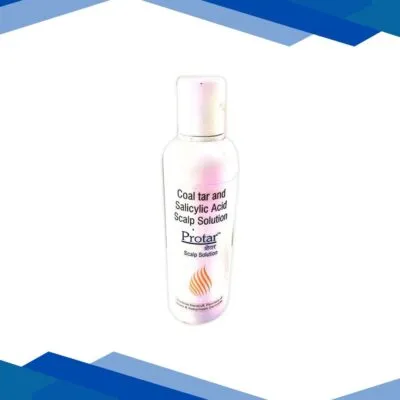
Protar Scalp Solution 200ml
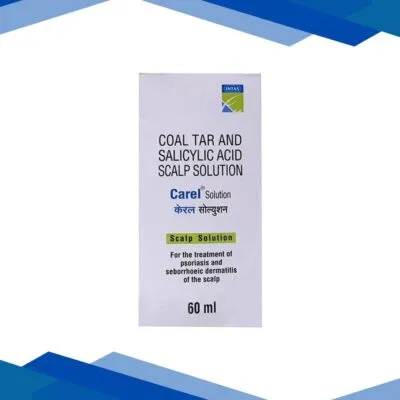
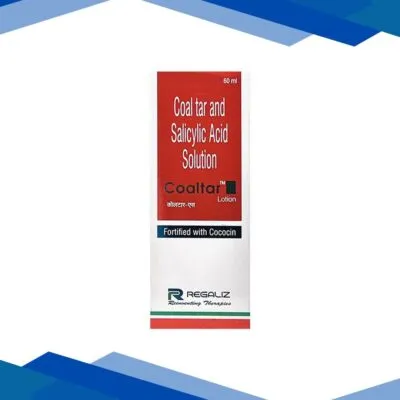
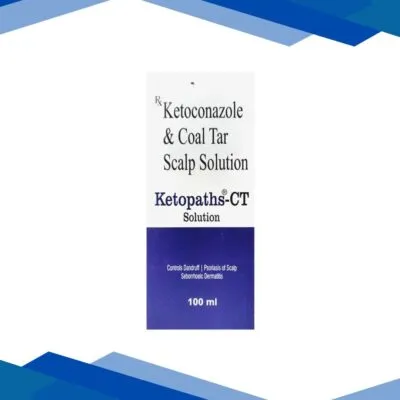
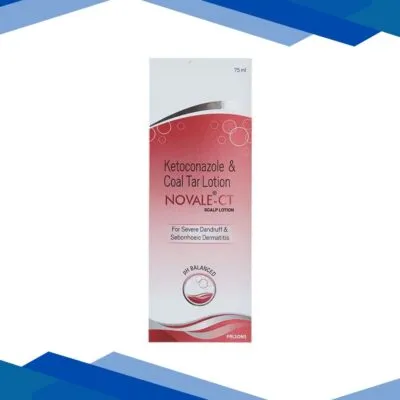
Novale CT Scalp Lotion 75ml
Coal Tar: An Age-Old Remedy for Chronic Dermatosis
Coal Tar is one of the oldest and most efficacious agents in dermatology. It belongs to the keratoplastics category of medicines. It is primarily used for managing inflammatory skin conditions featuring hyperkeratosis, pruritus, and erythema. Coal Tar, different from many modern synthetics, acts through multiple pathways, all of which are aimed at slowing down the excessive growth of epidermis, a factor that makes it a foundation therapy for diseases of a sustained chronic nature like psoriasis and seborrheic dermatitis.
ADVERTISEMENTMajor Therapeutic Indications
Psoriasis: Assists in slowing the increase of plaque size and in sloughing off courser scales over the skin and scalp.
Seborrheic Dermatitis: Eases redness, itching, and flaking typical of cradle cap or seborrheic dermatitis.
Atopic Dermatitis (eczema): On chronic, thick eczema to reduce inflammation and skin thickening or lichenification.
Scalp Conditions: From the serious hair buildup accompanying scalp psoriasis.
How Coal Tar Works
Coal Tar brings about a dual effect—well into the skin:
It presents a dual antikeratotic effect which works in two main ways:
1. Antikeratotic Action: Inhibition of the DNA synthesis of keratinocytes slows down cell multiplication rate, hence histologically decreasing epidermis thickness and as a result decreasing the size of scales and crusts.
2. Anti-inflammatory & Antipruritic: Slightly antiseptic and analgesic, helping in soothing rapidly itching spots and reducing the redness under it.
Application and UseInstructions:
For Topical Ointments: It should be applied lightly to all affected spots/areas and can be rather more efficacious when applied during the night at bedtime. Avoid contact with areas of sensitive mucous membrane.
For Scalp Shampoos: Shampoo the scalp while wet and leave for 5–10 minutes before rinsing. It is during this “contact time” that Tar is able to penetrate the scales (scales being the most sloughed off of the scalp).
Avoid Sensitive Areas: Do not apply to face, genital area, or broken skin unless prescribed by a dermatologist.
Consistency: Gradual recovery is generally experienced. Consistent application is needed to keep control of symptoms.
Take Care ChecklistSectionAdvice & Guidelines
Photosensitivity
Vital. Coal Tar increases your skin’s susceptibility to sunburn. Avoid direct sun exposure and tanning beds for a minimum of 24 hours post-application.
Staining
Coal Tar can typically stain light-colored hair (particularly blonde or grey), clothing, or bed sheets. The old linens get stained during therapy.
Folliculitis
“Tar acne” or inflamed hair follicles may affect some people. Check with your doctor if you get red bumps at the hair roots.
Pregnancy
Even though the absorption is low, use during pregnancy is advised with special care and supervision by a physician.
Side Effects
Coal Tar is largely free of side effects for long-term use. Its minor adverse effects may include:
- Skin irritations or a burning sensation.
- Photosensitivity, manifesting as higher sunburn risk.
- Strong chemical smell.
- Temporary staining of the skin or nails.
Other Questions
1. After using coal tar when can I expect results?
Most patients report itching lessening within a few days, though the propagation of scales and flattening of plaques with psoriasis may require 2 to 4 weeks of continuous daily therapy.
2. Can I use coal tar with other medications?
Coal Tar often is employed along with topical steroids in “rotational therapy”. If more than one product is used, they should never be mixed at the same time unless explicitly directed by your physician with a prescribed premixed version, as loss of medical stability may ensue.
3. Does exposure to coal tar cause cancer?
Though industrial-grade coal tar for road construction contains high levels of carcinogens, medical-grade (USP-grade) coal tar used in ointments and shampoos is highly purified. Studies conducted on coal tar through ages have shown the lack of any increased cancer risk among patients using therapeutic doses of coal tar.
4. Why Does My Skin Feel Hot After Application?
A mild sensation arises probably as a result of enhanced blood circulation to the area affected, as the tar acts as a keratoplastic. Should this sensation change and become an intense burn or start to rash, it has to be washed off and you should contact a dermatologist.
5. Can I lose some of my colored hair by using Coal Tar shampoo?
Use Coal Tar shampoo on colored hair with caution. Occasionally, it discolors chemically treated or color-treated hair. Prior to treatment, it is better to test on a small hidden strand of hair or inquire from your hair professional.