
Showing all 3 resultsSorted by popularity
Filter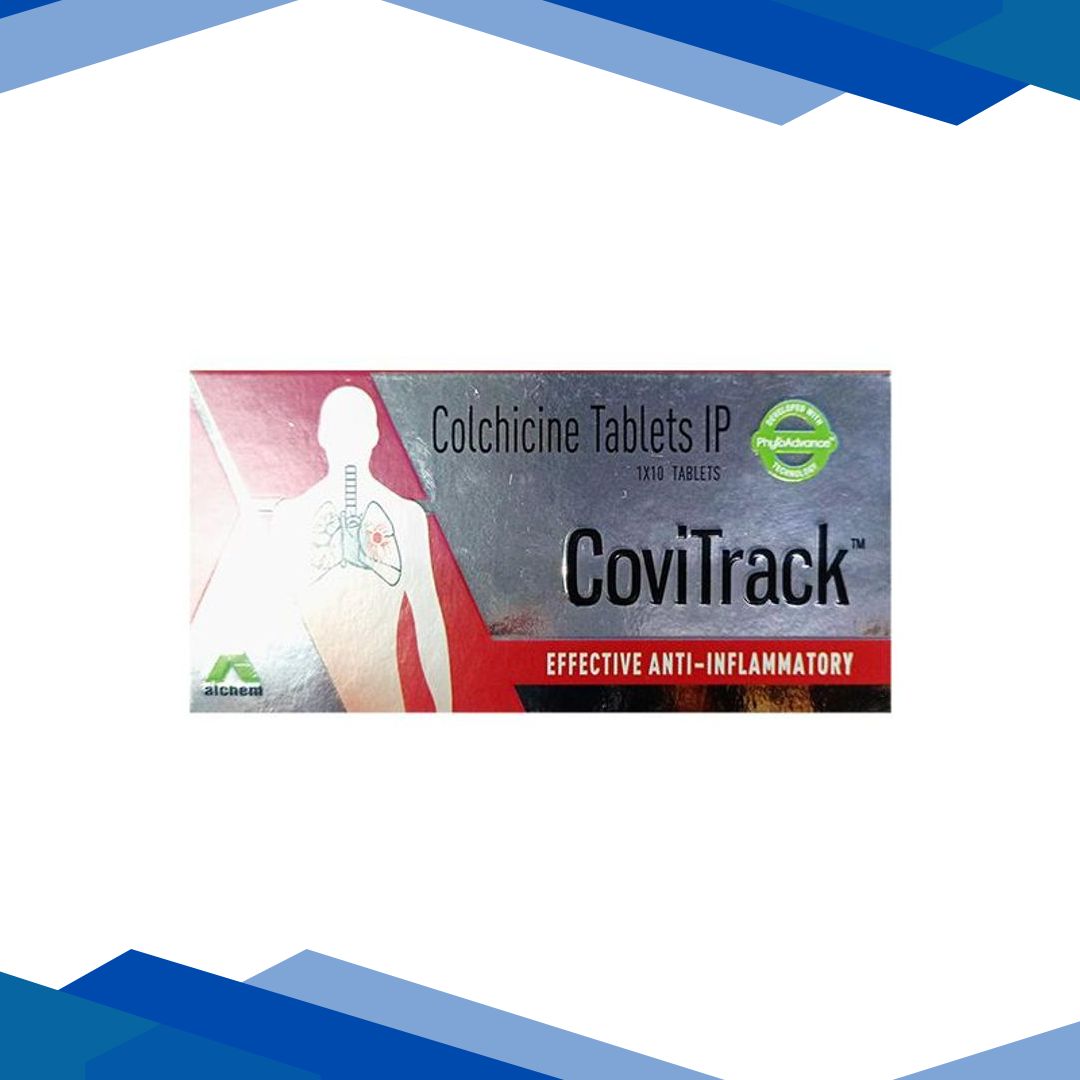
Colchicine: Best Tutorial on the Management of Gout and FMF
The drug colchicine is a potent anti-inflammatory because it is mainly used to stop and suppress gout flares. It aims much different from simple painkillers—the human flame sparked by uric acid crystals is set aside at its root. Likewise, it remains a primary treatment for Familial Mediterranean Fever (FMF), a genetic condition characterized by recurrent episodes of fever and inflammation.
Major Therapeutic Goals
Uric Acid–Related Gout Flare Relief: Eases the intense and sudden eruption of red and swelling pain.
Prophylactic Use: The starting use of low daily doses in order to avoid the following flare episodes would help substantially in the next few months, especially with the introduction of uric-acid-lowering therapies such as Allopurinol.
FMF Management: Controls symptoms and cuts inflammatory chronicity, thus providing protection against later risks of amyloidosis.
Cardiac Treatment: Research and new approvals have expanded its uses to reducing heart attack and stroke risks in patients with existing heart disease.
How Does Colchicine Work
There are a few steps for colchicine working at the cellular level to halt inflammation from spreading:
Microtubule Blocking: Colchicine, once inside the cell, interacts with a protein called tubulin. It blocks the formation of microtubules, which serve as the “skeleton” of the white blood cells.
Stalled Cells: By blocking them, it keeps inflammatory cells (neutrophils) from free movement to the vicinity of the joint, where the uric crystals have been deposited.
Hindering of Signals: It stops these cells from releasing inflammatory chemicals and cools down the inflammation site.
How to Use
It’s a precision-based therapy with colchicine to avoid danger:
For Acute Gout Attacks: The usual practice is that 1.2 mg is to be taken at the first sign of the flare, followed in an hour by 0.6 mg; however, up to 1.8 mg can be administered only within the hourly window.
For Prevention: The standard dose is usually 0.6 mg that is to be taken once or twice daily.
Administration: Take the pills whole with a glassful of water. Colchicine can be taken with or without meals.
Waiting Period: You must give a sufficient break for your system to repair itself after administering a high dose for an acute flare; hence wait at least 3 days, with allowing even 2 weeks when the kidney fails, before continuing other dose regimens.
Safety Information and Precautions
Grapefruit Warning: Don’t add any grapefruit or grapefruit juice in your diet while taking colchicine, as it substantially elevates drug blood levels.
Organ Health: This entails dose alterations for individuals with kidney or liver problems.
Drug Interaction: The drug colchicine interacts with several common medications, such as some antibiotics (clarithromycin) and cholesterol medications (statins). Make sure you disclose your entire medication list to your physician.
Toxicity Signs: Visit the ER when serious diarrhea, vomiting, and stomach pain occur together. These are early symptoms of toxicity.
Frequently Asked Questions (FAQs)
Q: Is Colchicine a broad-band analgesic for arthritis?
A: No. Colchicine is not classified as an analgesic, which means it isn’t going to work for other sorts of arthritis or any back pain or headache. It’s targeted at gout and a few specific inflammatory disorders.
Q: How quickly does Colchicine kick in when there is an attack?
A: It can start working within hours and diminish the swelling and intense pain within 24 to 48 hours.
Q: Can you take Colchicine when you’re pregnant?
A: Colchicine should only be taken during pregnancy when its potential benefit justifies the potential risk to the fetus. Check with your OB-GYN to get a personalized risk assessment before taking it.
Q: What makes me have a severe case of diarrhea after taking Colchicine?
A: Severe diarrhea can occur because some of the body’s fastest-growing cells—those lining the gut—are affected by the drug. If it becomes intolerable, stop the medicine and call your doctor immediately.
Q: What happens if I miss a dose?
A: Resume with the next dose as though nothing has gone wrong if you forget—double dosing is risky!