
Showing 1–20 of 46 resultsSorted by popularity
Filter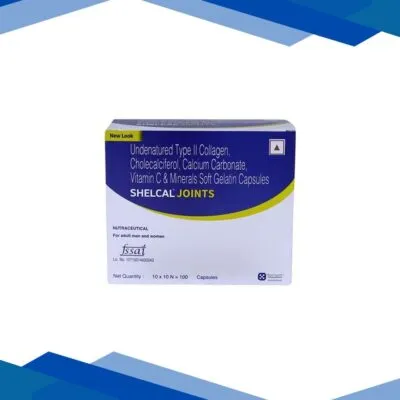
SHELCAL JOINTS Capsule 10’s
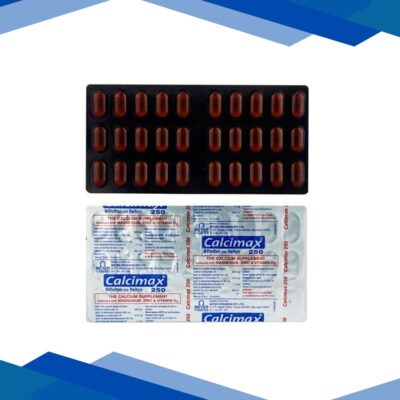
Calcimax 250mg Tablet 30’S
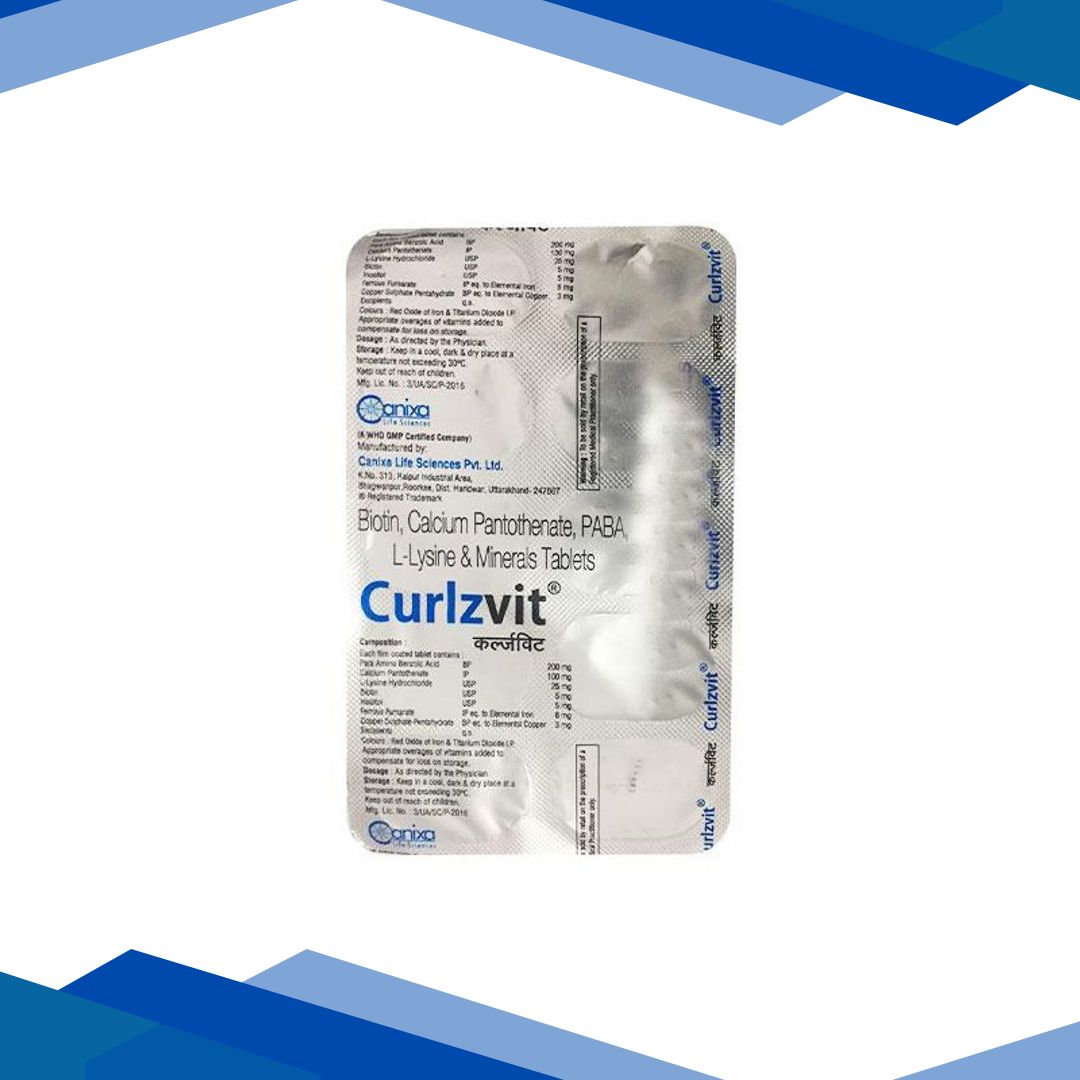
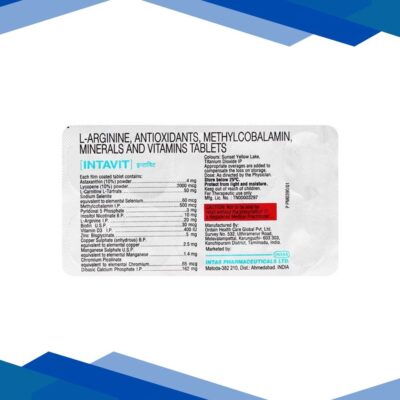
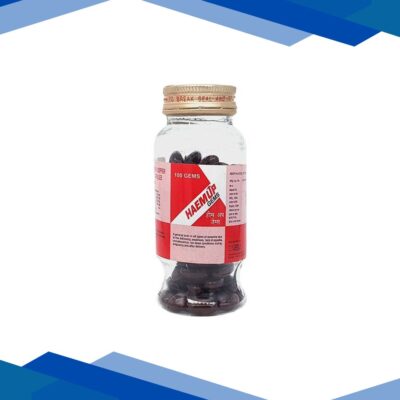
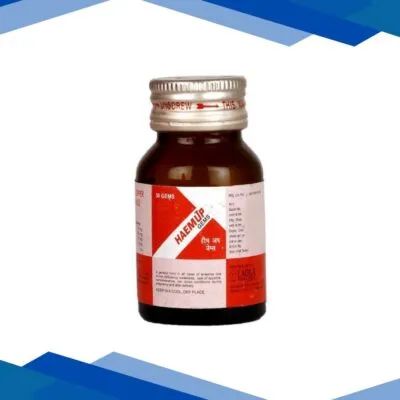
Haem UP Gems Capsule 100’S
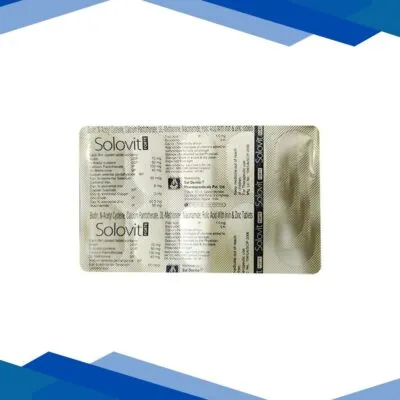
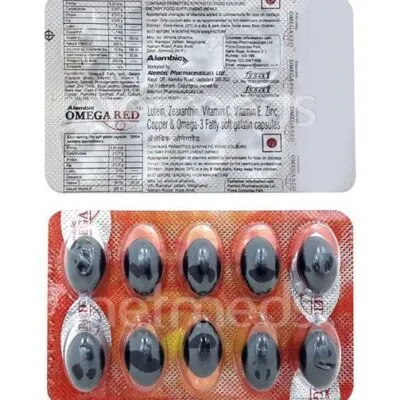
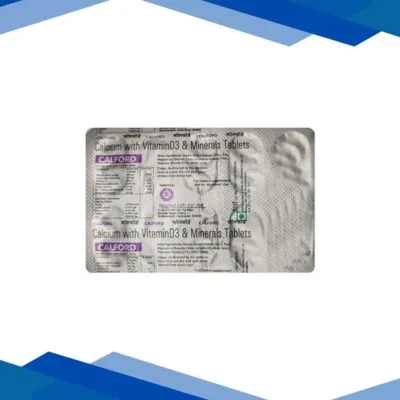

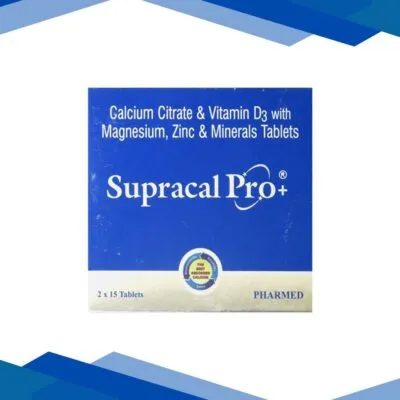
Supracal Pro + Tablet 15’S
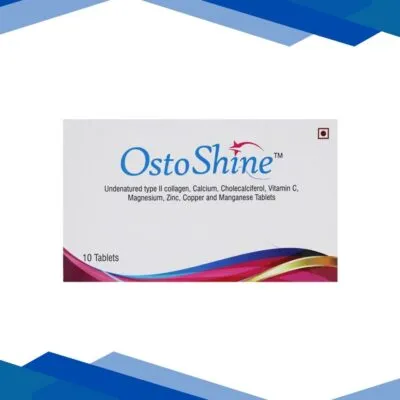
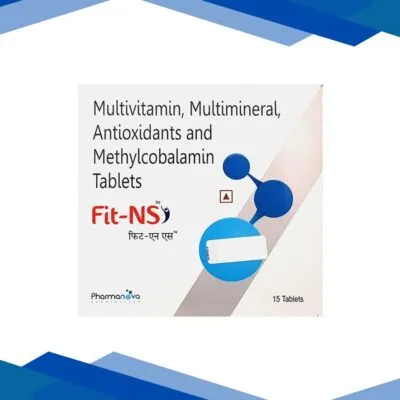
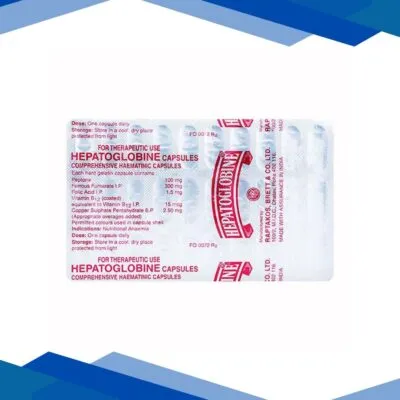
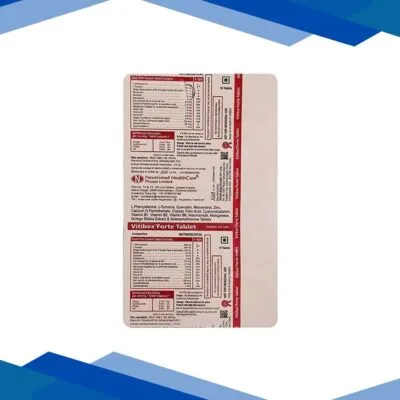
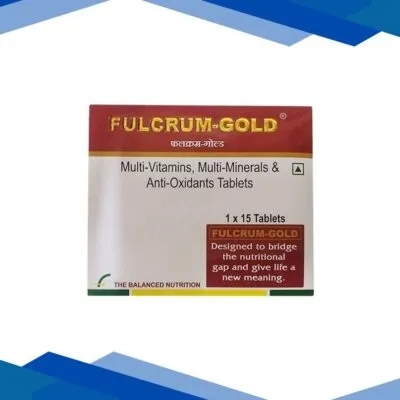
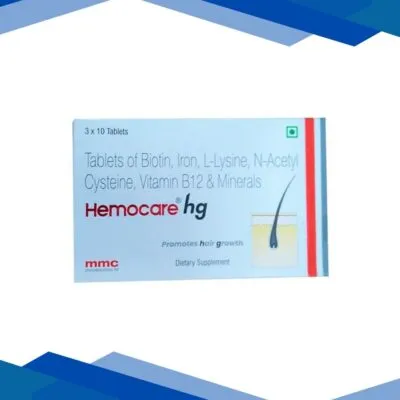
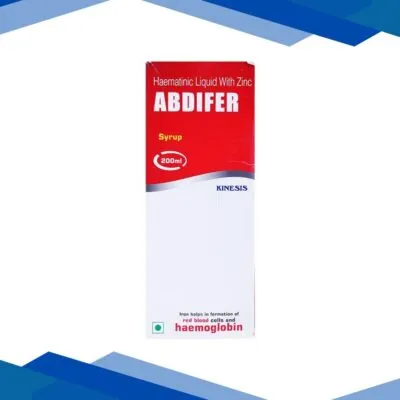
Copper Sulphate: Essential Mineral Supplement & Therapeutic Agent
coppersulphate $CuSO_4$. The pentahydrate form finds the most common application for an inorganic compound as a medicinal mineral supplement for treating of the symptoms or preventing such a deficit in the body. Though a very important industrial material in its rights, it is a designation for serious use in medical products with a minor importance playing specialized roles in multi-mineral solutions and very choosy topical productions. The human body requires “trace elements,” in which copper aids in maintaining red blood cells, nerve cells, and the immune system.
At the Core: The Path of the “Enzymatic Cofactor”
Synthesis of Hemoglobin: Copper has a critical role in aiding iron to be absorbed from the gut for the synthesis of hemoglobin—part of red blood cells, the cells transporting oxygen.
Activation of Enzymes: The substance is acting as a cofactor with certain enzymes, including cytochrome c oxidase (chiefly for energy production) and superoxide dismutase (a major antioxidant).
Topical properties: When included in certain specific dermatological formulations, Copper Sulphate displays astringent and antiseptic effects to dry up oozing skin lesions in conditions such as impetigo and dermatitis.
Quick Feature Insights
Feature Details
Drug Class Trace Element / Mineral Supplement
Common Forms Injectable (in TPN), Oral Tablets (in Multivitamins), Topical Solutions
Key Benefit Treatment of Microcytic Anemia & Copper Deficiency
Primary Indication Nutritional Malabsorption, Long-term IV Feeding
Standard Dosage Usually measured in micrograms (μg) or milligrams (mg)
Key Medical Benefits
Anemia Management: Helps resolve specific types of anemia that do not respond to iron therapy alone.
Bone Health: Plays a role in the cross-linking of collagen and elastin, which are essential for bone density and joint flexibility.
Neurological Function: Supports in the maintenance of myelin sheath, which protects nerve fibers and ensures fast signal transmission in the brain.
Skin Healing: Often combined with “Zinc-Copper” creams for soothing irritated skin and preventing secondary bacterial infection in minor cuts.
Indian Master Brands
Copper Sulphate is rarely sold in the Indian pharma market as a standalone pill but is an essential component in premium multi-mineral supplements:
Supradyn (Bayer) – Contains Copper Sulphate as a trace mineral.
Becosules Performance (Pfizer)
Zincovit (Apex Laboratories)
Cebex
Addaven (Fresenius Kabi) – Used in hospitals for IV nutrition.
Use and Safety Guidelines
Clinical Warnings: Copper is “trace” by reason, which means it is required by the body in trace quantities. Overdose will lead to systemic toxicity! That said—it is crucial to abide by the dosage recommended by your prescriber or box.
Perinatal (Pregnancy and Breastfeeding): Women undergoing pregnancy who are taking prenatal vitamins with copper are generally okay. However, one should only take “therapeutic” high doses when a deficiency has been documented by blood tests.
Warnings:
Wilson’s Disease: Copper sulphate must be avoided at all costs by those suffering from Wilson’s Disease, a condition caused by a genetic disorder where copper accumulation in the body causes cirrhosis.
Kidney & Liver Health: Since the liver processes copper and excretes it in bile, patients with liver cirrhosis or biliary obstruction require a very cautious approach in using this supplement.
Regular intakes of Zinc Supplements: If taken for an extended period, a high intake of zinc supplements will interfere with copper absorption, potentially causing a copper deficiency which copper sulphate aims to correct.
Pregnancy: It is included in prenatal vitamins, but high therapeutic doses should be taken only if a deficiency has been clearly documented by blood tests.
Side Effects
Rare when used within the Recommended Dietary Allowance (RDA). Excessive supplementation could result in:
Metallic taste in the mouth.
Nausea, vomiting, or stomach cramps.
Blue-green discoloration of stool.
Dizziness or headache.
Frequently Asked Questions (FAQs)
1. Should industrial Copper sulphate be used for health purposes?
Absolutely not. Industrial-grade Copper sulphate contains heavy metal impurities such as lead and arsenic. Use only “IP/BP/USP Grade” copper sulfate (Pharmacopoeia grade) for medical or supplemental purposes.
2. How do I know if I am deficient in copper?
These symptoms generally include unexplained fatigue, pale skin, frequent illnesses (low white blood cell count), and brittle bones. They can, however, be confused with symptoms of iron deficiency; therefore, a Serum Copper Test is necessary for proper diagnosis.
3. Is Copper Sulphate used in skin infections?
In very dilute forms but only traditionally. It is widely accepted in “Alibour Solution” for treating wet skin rashes and certain forms of eczema as a drying and antibacterial agent.
4. Does it interact with Vitamin C?
High doses of Vitamin C (>1 g) might decrease the absorption of copper via the gut. It is always safe to separate these supplements and take them at different times in the day.
5. Why does it find a place in my IV drip in the hospital?
Patients who exclusively receive their nutrition through a vein in what is medically termed Total Parenteral Nutrition (TPN) are unable to get metals from their meals. Here comes Copper Sulphate to the rescue. As being added to the drip, this will save the patients from anemia and also boost the immune system during long-term recovery.
Medical Disclaimer: The information presented here is designed for educational purposes only. It is not a substitute for professional medical advice. Copper is regarded as an intense trace element, and hence supplemental therapy should ideally be under the guidance of a healthcare provider or as a result of clinical lab findings.