
Showing all 2 resultsSorted by popularity
Filter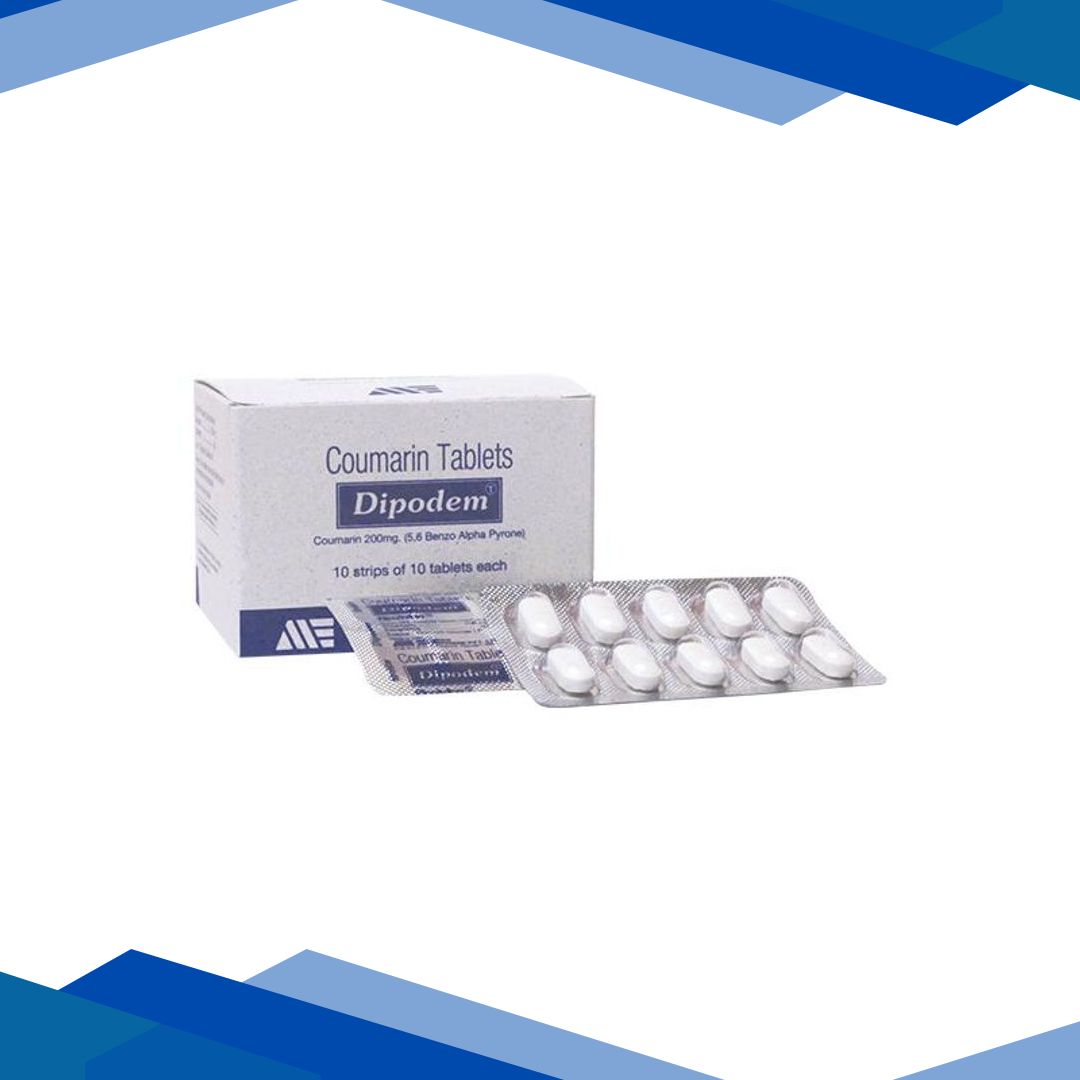
Coumarin: An Insight into its Role in Vascular Health
Coumarin is a naturally occurring aromatic organic compound belonging to lactones, appreciated in a range of plants, notably tonka beans, woodruff, and sweet clover. In a clinical context, coumarin derivatives are well recognized for their significant impact on blood coagulation as well as vascular tone. While most of them are connected to its more effete derivatives like warfarin, pure coumarin is separately needed in a few medical formulations to deal with lymphatic drainage and certain circulatory conditions.
Main Chassis
Edema: Reduces swelling from lymphedema and chronic venous insufficiency.
Aura of Veins: Makes veins “tougher,” so blood returns to the heart more reliably.
Lymphatic Activity: Causes more activity by lymph, aiding drainage of excess interstitial fluids.
Anti-Inflamed: Might dismiss the inflammation that ignites locally from venous congestion.
How It Works
Coumarin acts through many pathways in the body:
Enhancing the Process of Proteolysis: It induces macrophages—immune cells—to digest excessive protein in the tissues that is the cause of swelling in lymphedema.
Vascular Stability: This is achieved by decreasing capillary permeability and increasing the resistance of the vessel walls, thus preventing the leakage of fluid into surrounding tissues.
Blood Thinning: This comes as a result of coumarin being a weak anticoagulant compound, forming the chemical basis of the coumarin-like class responsible for inhibiting blood clotting by disrupting vitamin K metabolism.
Dosage & Administration
Dosage: Dosage as directed by your vascular specialist according to your exact milligram strength and frequency pattern.
Administration: Typically oral, taken with a glass of water. It can be taken with or without food, but should be taken consistently at the same time daily.
Medical Control: Periodic check-ups with healthcare personnel are necessary when used for an extended period.
Safety and Precautions
Liver Functions: High doses or prolonged use of coumarin might affect liver function. Periodic liver function tests may be required.
Blood Thinners: If you are already on anticoagulants (like aspirin, heparin, or warfarin), your blood levels can be significantly affected by coumarin.
Food Interactions: Be cautious with Cassia cinnamon, which naturally contains high levels of coumarins (“true” cinnamon may be safer in moderation).
Pregnancy and Lactation: Pure coumarin and its derivatives are generally avoided during pregnancy due to potential fetal complications. Consult your OB-GYN if needed.
As they are closely related, pure coumarin is considered beneficial for the lymphatic system and veins, while warfarin is widely used as a strong blood thinner for preventing strokes and blood clots.
Frequently Asked Questions (FAQs)
Q: Can Coumarin be used for varicose veins?
A: Often it is included in the treatment of chronic venous insufficiency that contributes to varicose veins, helping strengthen vein walls and reduce leg heaviness and aching.
Q: What are the early side effects?
A: At therapeutic doses, it is usually well-tolerated, but may cause mild nausea, headache, or dizziness. Seek medical attention if unusual bruising or jaundice (yellowing of skin/eyes) appears.
Q: Why is Coumarin restricted in foods but used in medicine?
A: Excessive intake through food can pose liver toxicity risks, so it is regulated. In medicine, controlled and measured doses ensure safety under supervision.
Q: How soon can swelling improve?
A: In conditions like lymphedema, a noticeable reduction in swelling and discomfort may be observed within a few weeks of consistent use.