

Showing the single result
Filter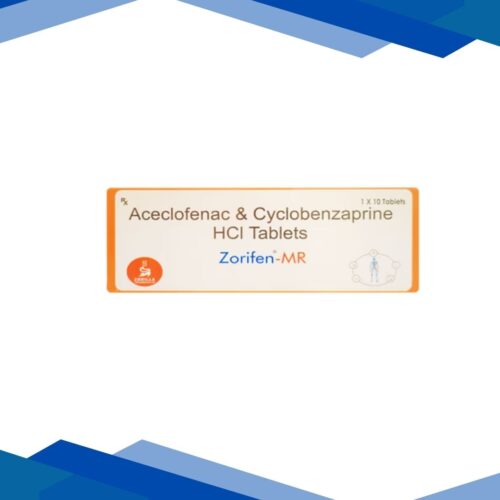
Aceclofenac + Cyclobenzaprine: Dual Relief for Muscle-Pain
When acute muscle spasms are accompanied by inflammation, single-association treatment usually falls short. A combination of Aceclofenac and Cyclobenzaprine provides a synergistic approach. In that case, one focuses on inhibiting the chemical mediators of inflammation and pain, while the other prevents nervous agitation and induces muscle relaxation. This combination therapy is quite often prescribed for severe low back pain, torticollis (muscle spasm of the neck), and post-traumatic muscle injuries.
Working Pattern of the Combination
Aceclofenac (100mg): This powerful Non-Steroidal Anti-Inflammatory Drug (NSAID) selectively inhibits the COX-2 enzyme. By restricting the synthesis of prostaglandins, Aceclofenac can significantly decrease the pain, redness, and swelling at the site.
Cyclobenzaprine (10mg): This is a centrally acting skeletal muscle relaxant which reduces motor activity that causes sustained contraction of the muscles. This gives muscular flexibility and rest.
Key Product Features(s)
Quick pain relief: Reduction in discomfort is pretty fast – after only 30–60 minutes of taking the tablet.
Reestablishment of normal mobility: It assists in the release of knotted muscles, making physical therapy and daily movements easier.
Break up the pain-spasm-pain cycle: By acting on both the physical and chemical problems, it does not allow the condition to get worse.
Better sleep: Cyclobenzaprine slightly sedates and helps those with pain to drift back to sleep.
Quick Reference to the Page
Top Features of this Medication
Drug Class: NSAID + Muscle Relaxant
Common Use Cases: Sprains, strains, spondylitis, acute low back pain
Dosage Frequency: Twice daily is the norm (take a pill or a teaspoonful); visit a doctor if the twice dosage doesn’t work.
Consumption: With food only
Safety Guidelines & Precautions
Who Should Not Use This Combination?
Cardiac Patients: Do not use if you have had heart failure previously or have had a bypass within the past 12 weeks.
Stomach Issues: Use with caution in cases of peptic ulcers and acidity.
Alcohol: Do not drink alcohol along with this drug. It considerably intensifies the adverse effects associated with the medication like excessive sleepiness and gastrointestinal bleeding.
Common Side Effects:
Sleepiness or ‘foggy brain’
Dry mouth
Mild stomach ache or heartburn
Light-headedness and dizziness when standing up
FAQs to be remembered
1. Why do I have to eat before taking Aceclofenac + Cyclobenzaprine?
Just as any NSAID would, Aceclofenac can exacerbate the lining of the stomach. The meal consumed would thus serve as a buffer, eradicating the complications associated with acidity and gastric ulcers.
2. Will I feel sleepy with this?
Given that Cyclobenzaprine induces drowsiness in most cases, this would be expected. Even though the medication does not immediately wear off, you are required to avoid driving vehicles or operating heavy machinery.
3. Can I use this for chronic arthritis?
No. It is typically meant for acute (short-term) pains, and prolonged use of muscle relaxants is generally contraindicated. Your doctor will suggest some kind of maintenance therapy for the symptoms.
4. What should I do if I have a dry mouth?
Dry mouth is a known side effect of Cyclobenzaprine. You could try reducing its effects by keeping yourself well hydrated, chewing sugar-free gums, or sucking on ice cubes.
5. Is there any particular drug interactions I need to notify my doctor about?
Inform your doctor if you are on antidepressants (especially MAO inhibitors), blood thinners like Warfarin, or other pain relievers. The combination could be more hazardous due to severe drug-drug interactions.
