
Showing all 12 resultsSorted by popularity
Filter
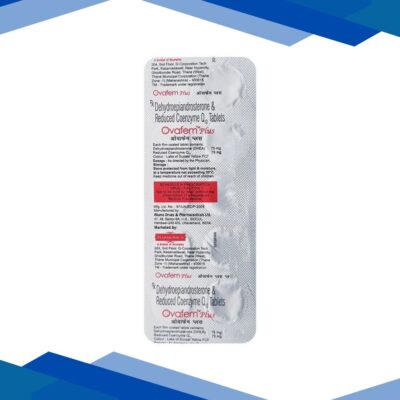
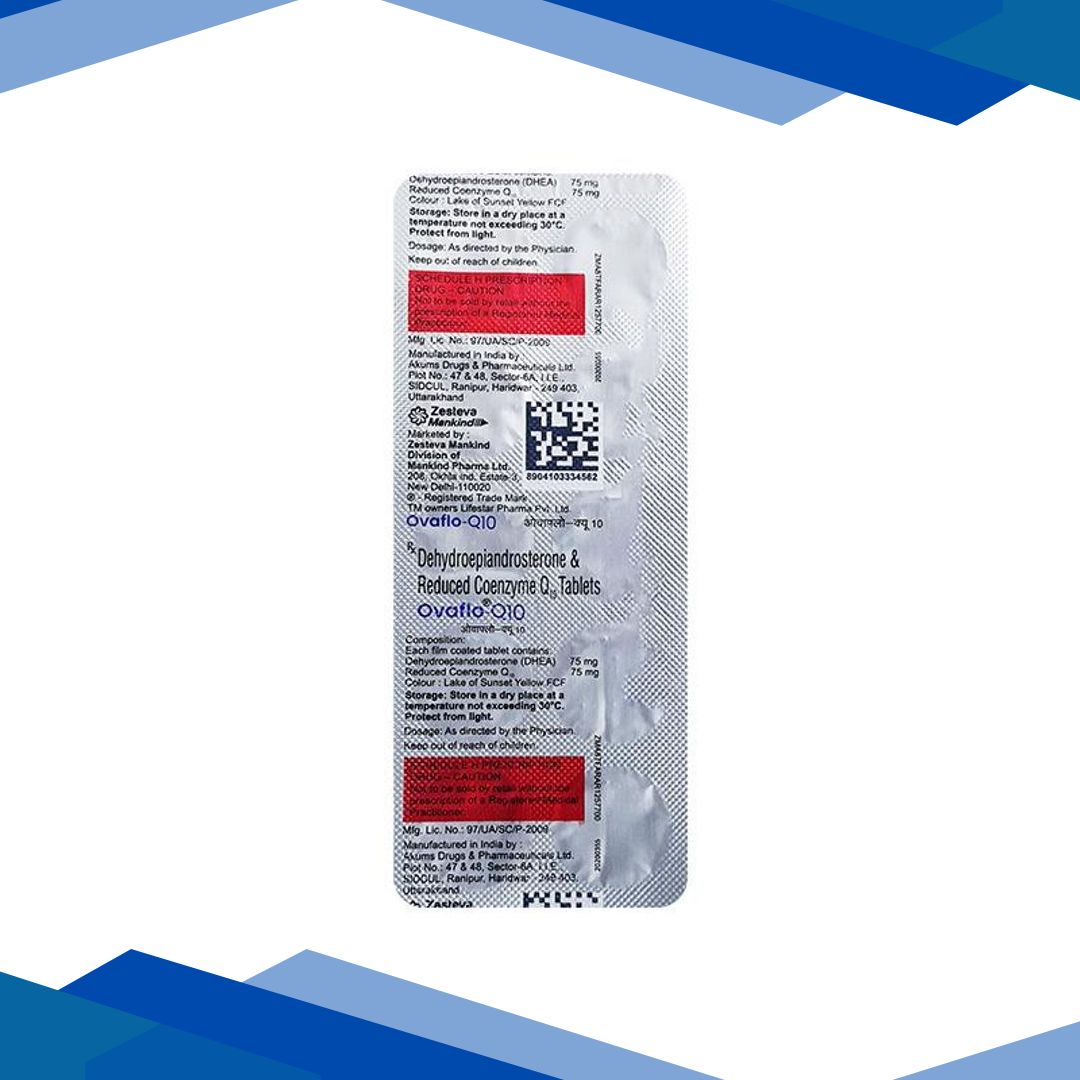
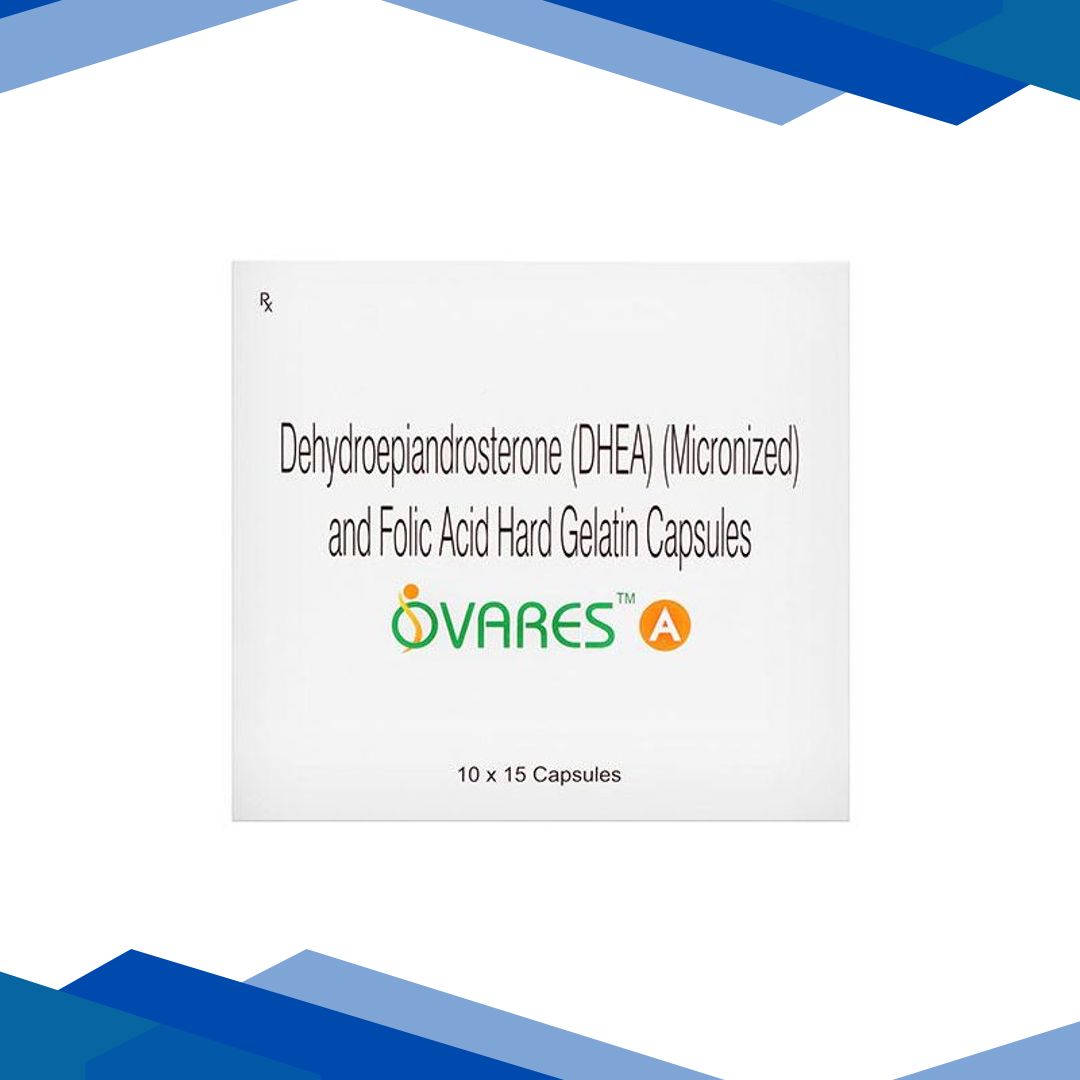
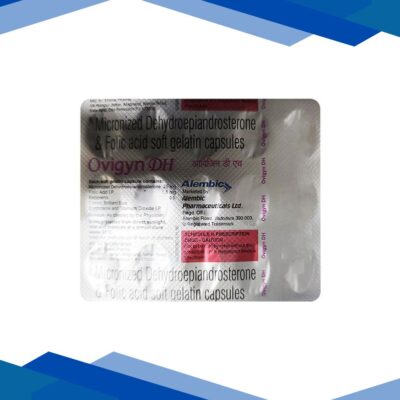
OVIGYN DH Soft Gelatin Capsule 15’s
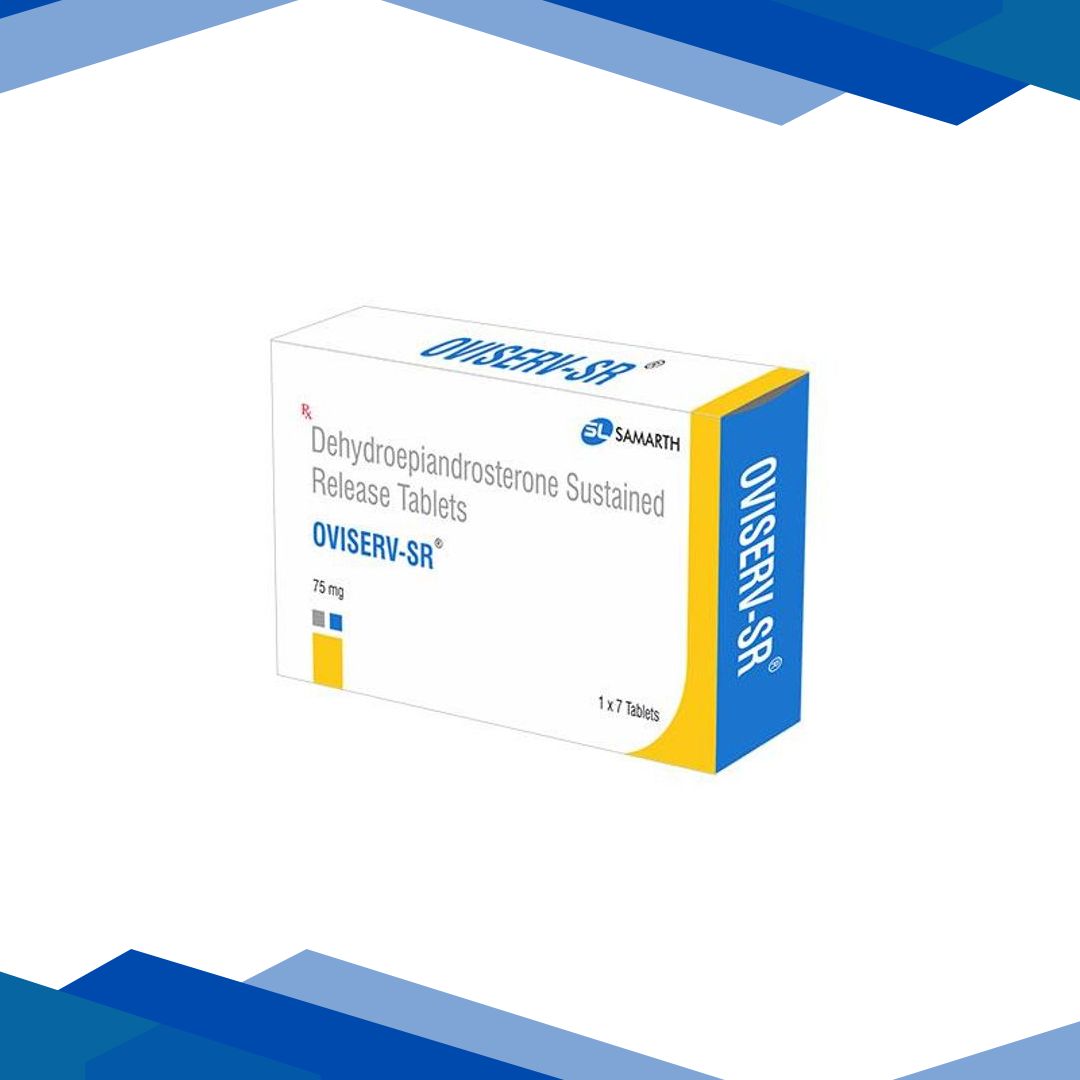
OVISERV SR 75mg Tablet 7’s
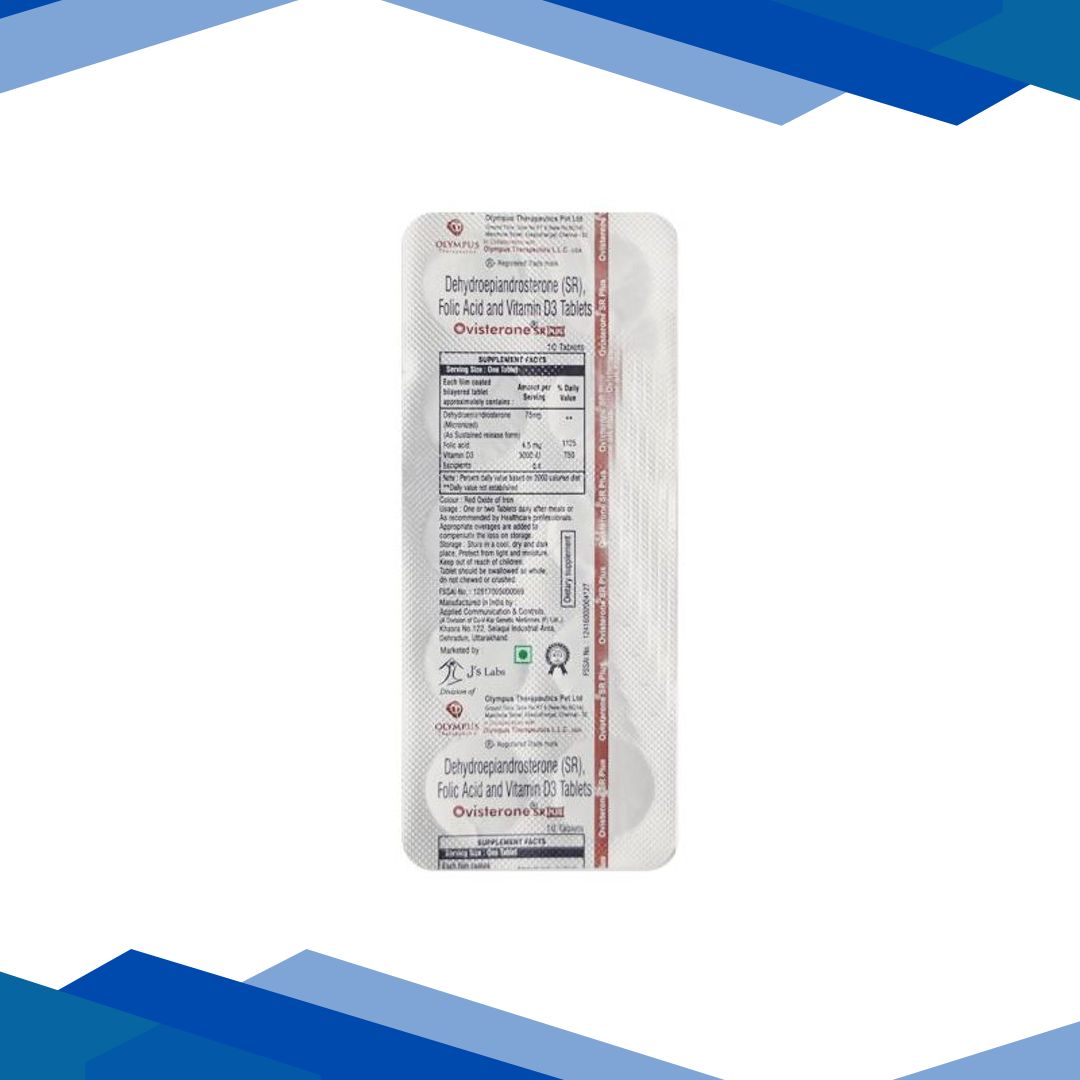
OVISTERONE SR PLUS Tablet 10’s
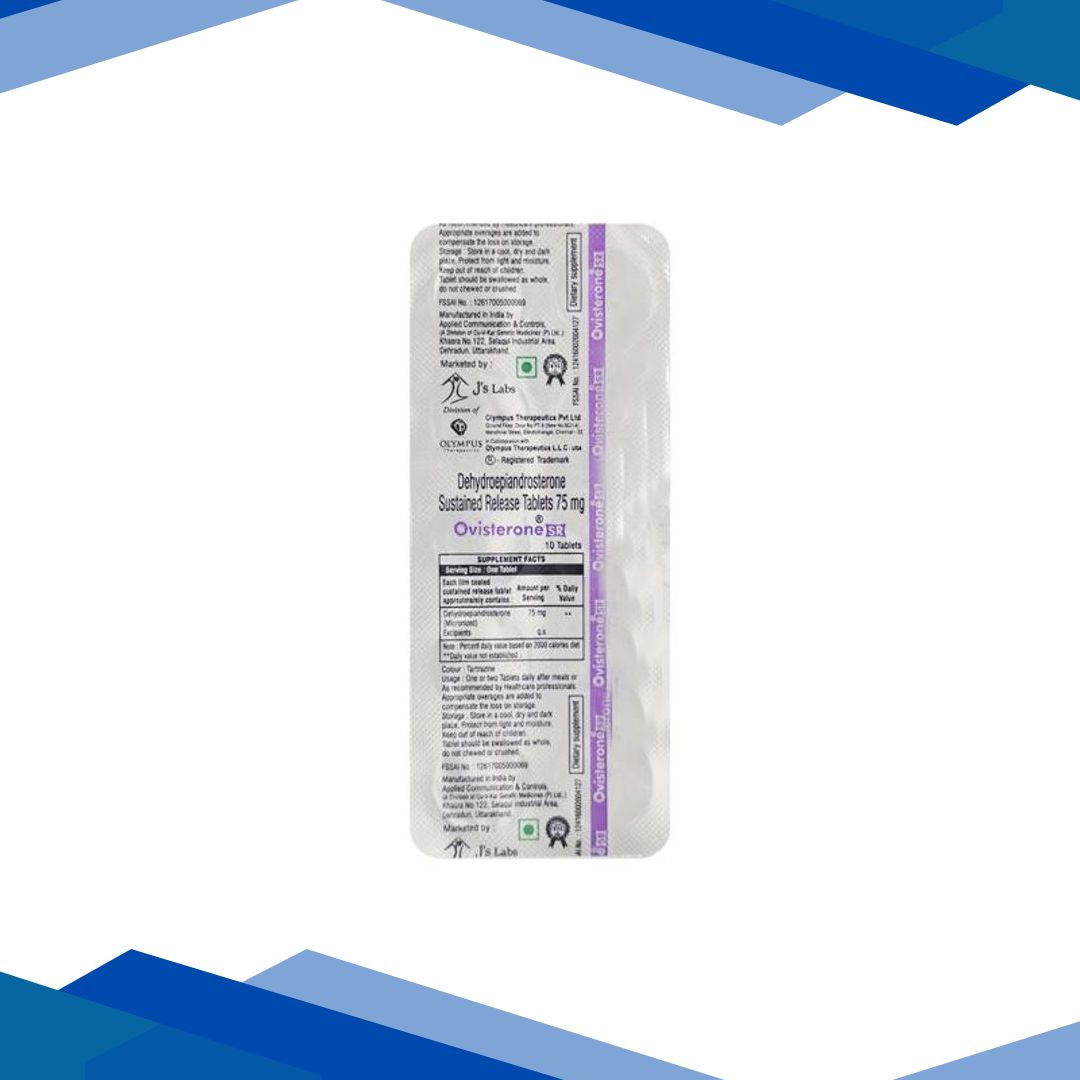
Dehydroepiandrosterone (DHEA)
Therapeutic Class:
Hormonal Supplement / Adrenal Steroid
Available Forms:
Tablets / Capsules / Micronized Formulas
Common Strengths:
25mg / 50mg / 75mg
Product Overview
Dehydroepiandrosterone (DHEA) is a naturally hormone precursor produced by the adrenal glands. In the body, it serves as a critical “building block” for the synthesis of other essential hormones, including testosterone and estrogen. As natural DHEA levels tend to peak in early adulthood and gradually decline with age, supplementation is often used to restore hormonal balance and support various metabolic processes.
Therapeutic Uses & Benefits
Fertility Support:
In reproductive medicine, often recommended to improve ovarian response and egg quality in women with diminished ovarian reserve (DOR).
Hormonal Balance:
Addresses age-related decline in androgen levels, leading to mood enhancement and a rise in energy levels.
Bone Health:
Maintenance of bone mineral density in postmenopausal women.
Metabolic Health:
May help promote lean muscle mass and healthy fat metabolism, yet conditioning through exercise.
Expert Opinion: How to Use
Medical Supervision:
DHEA is a potent pro-hormone. Do not start this supplement without first having a blood test and a doctor’s prescription to confirm a deficiency.
Consistency is Key:
Take your dose at the same time every day to maintain stable hormonal levels.
Monitor Progress:
It is recommended to undergo follow-up tests to check DHEA-S levels to confirm your dose is sufficient but doing no harm to your body.
Duration:
Use only for the alleged period stated by your healthcare provider as long-term unmonitored usage is not advisable.
Side Effects to Watch For
Although tolerable by many, DHEA can bring about some hormonal side effects:
In Women:
Oily skin, acne, or changes in menstrual cycle.
In Men:
Tender chest or hair loss (only those prone to male pattern baldness).
General:
If the dose is too high, they are mood swings, insomnia, and tiredness.
Implicit Parameters
Safety Profile
| Condition | Recommendation |
|---|---|
| Pregnancy | Consult Doctor – Generally not recommended unless specified by a fertility specialist. |
| Breastfeeding | Avoid – May interfere with the baby’s natural hormonal development. |
| PCOS | Caution – Women with Polycystic Ovary Syndrome should avoid DHEA as it may worsen androgen-related symptoms. |
| Cancer History | Strict Warning – Avoid if you have a history of hormone-related cancers (breast, prostate, or ovarian). |
Frequently Asked Questions (FAQs)
1. Is DHEA a steroid?
DHEA is a term for a natural steroid hormone that is produced by your body. However, it is different from the “anabolic steroids” used for bodybuilding. In medical contexts, it is used as a complement to correct hormonal imbalances or for fertility treatments.
2. How long for DHEA to fertilize?
In IVF or fertility support cases, doctors usually recommend at least 8 to 12 weeks of DHEA intake. The reason is that an egg takes an average of 3 months to mature; hence the DHEA has to be present all the way through to the cycle to assist.
3. Can I take DHEA without a prescription?
While available as a supplement in some areas, endocrinology or fertility specialists should be consulted ahead. In many hormones, giving DHEA while in normal quantity will cause serious crux in one’s hormonal loop.
4. What is the best time of day to take DHEA?
Considering the natural diurnal rhythm of peak beta DHEA production in the morning, healthcare providers often suggest that you take it with breakfast to allay same.
5. Are there any food interactions?
Dietary restrictions are more or averts with DHEA, but it may be advantageous to eat with some healthy fats for increased bioavailability. But, it is advisable to discuss with the doctor for the drugs one may be taking concurrently.