
Showing the single result
Filter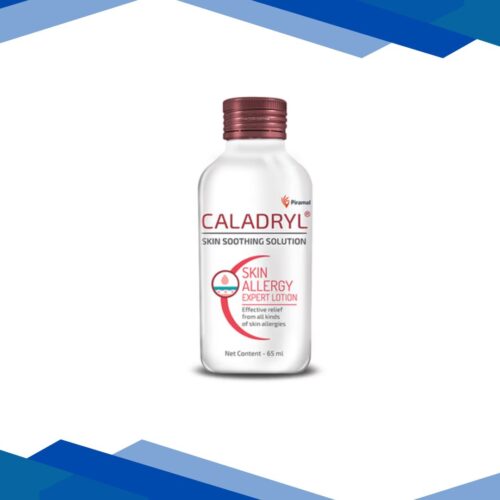
Caladryl Skin Soothing Solution 65 ml
Diazolidinyl Urea (Pharmaceutical and Compounding Grade)
Categories: Antimicrobial Preservative/Compounding Agent
Forms: Fine Powder / Aqueous Solution | Pack Size: [List sizes like 50g / 100g / 500g]
Product Overview
Diazolidinyl Urea is a highly effective, broad-spectrum preservative commonly used in topical pharmaceutical formulations and cosmetic applications. This enables certain water-based products to be kept in storage and be safe and free from bacterial, yeast, and mold growth. When entangled in a compounding matrix for a custom skin cream, hand-and-body lotion, or shampoo, it prevents them from getting spoiled, enabling them to achieve the desired properties of safety, stability, and shelf life.
Main Uses & Benefits
Broad Spectrum: Good activity noted for gram-positive and gram-negative bacteria (including Pseudomonas species).
Preserves Product: These products are important in extending the shelf life of specific custom-compounded water-based creams, serums, and gels.
Formulation Compatibility: Works really best when combined with other nature preservatives like parabens & iodopropynylbutylcarbamate (IPBC) for offering a complete protective shield.
Highly Soluble: It readily gets dissolved in water, making EC a pretty well adaptative ingredient to incorporate into the aqueous phase.
Directions for Use (For Compounding/Formulation)
Recommended Concentration: Recommended dilution strength typically ranges from 0.1%–0.5% of total formulation weight.
Incorporation: Add to the water phase during processing, or alternatively during the cool-down phase (up to 40°C/104°F) to avoid any potential degradation of the preservative.
Note: This ingredient is intended for formulating studies. It is not meant for direct application to skin in an undiluted manner.
Safety Information & Precautions
For External Use: This ingredient is strictly for topical formulations and must be avoided from ingesting.
Diazolidinyl Urea is a formaldehyde releaser allergen, that can cause contact dermatitis or allergic contact sensitivity in responsive individuals.
Handling: Use appropriate personal protection equipment (PPE), including gloves and safety goggles when handling the raw powder or concentrated liquid.
Storage: Store in a well-closed container. Keep in a cool, dry, and well-ventilated spot away from excessive sources of light.
Frequently Asked Questions (FAQs)
1. Is Diazolidinyl Urea a type of drug that I may use as a medicine for an infectious condition?
No. Diazolidinyl Urea is not an active pharmaceutical ingredient intended for treatment of infections in humans. It is a preservative used by those who compound and those skilled in cosmetics formulary to preserve topical preparations (such as creams and lotions) from being contaminated with bacteria and fungus while stored.
2. Is it safe for sensitive skin?
It is safe for most people when used in finished products at the proper, low concentration (less than 0.5%). There is a chance that some individuals may be allergic or have some other sort of highly reactive skin that will turn red, itch, and cause contact dermatitis since it slowly releases trace amounts of formaldehyde to kill bacteria.
3. What is the difference between Diazolidinyl Urea and Imidazolidinyl Urea?
Diazolidinyl Urea and Imidazolidinyl Urea are closely related antimicrobial preservatives and formaldehyde releasers. However, Diazolidinyl Urea is generally considered to be more broad-spectrum in its action against bacteria and fungi, making it somewhat more effective in formulations.
4. Can I mix this with commercial shampoo to extend its shelf life?
No, this is disapproved. Shampoos and other products are professionally balanced using preservative agents already. You obviously do not possess the balance of these preservative agents. Any excessive use of chemicals or imprecise quantities that have not been measured can cause serious scalp irritation or hair breakage.
5. How am I to store the raw ingredient?
This should be in the original, air-tight container in a cool, dry environment. All heat and/or moisture exposure could cause the compound to break down and lose its effectiveness as a preservative.