
Showing all 12 resultsSorted by popularity
Filter
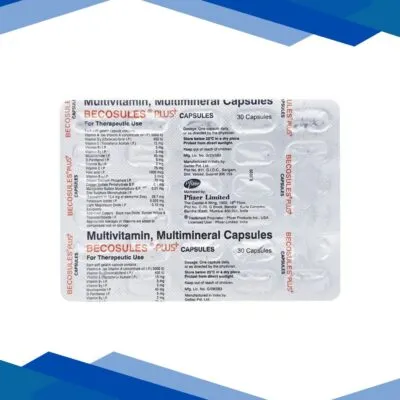
Becosules Plus Capsule 30’S


PROTILAB ADVANCE KESAR BADAM FLAVOUR Powder 200g

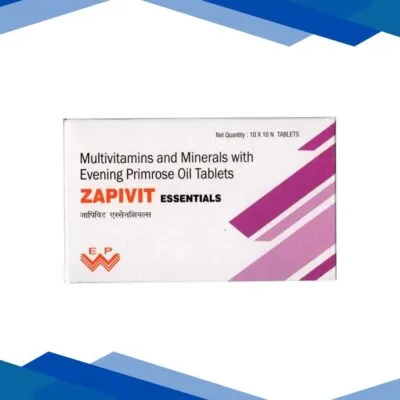
ZAPIVIT ESSENTIALS Tablet 10’s
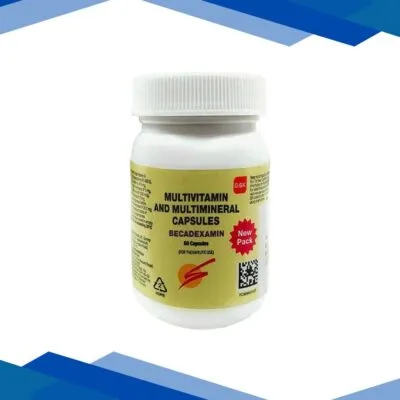
Dibasic Calcium Phosphate: Overview, Uses, and Side Effects
Dibasic Calcium Phosphate (also chemically known as Calcium Hydrogen Phosphate or dcp) is a highly stable, purified mineral compound that delivers a balanced dual source of two vital micronutrients: Calcium ($\text{Ca}^{2+}$) and Phosphorus ($\text{PO}_4^{3-}$). It typically occurs as a fine, odorless white powder or as a granular material.
In the human body, calcium and phosphorus operate in tight biological synergy. Together, they form the structural matrix of hydroxyapatite, the primary mineral component that gives structural strength to your bones and tooth enamel. When dietary intake is insufficient, Dibasic Calcium Phosphate helps restore this mineral equilibrium, supporting cellular functions and skeleton integrity.
Key Benefits & Uses
Physicians, endocrinologists, and manufacturers utilize Dibasic Calcium Phosphate across multiple health and industrial fields:
-
Treating Calcium & Phosphorus Deficiencies: Providing direct therapeutic supplementation for individuals with low blood calcium levels (hypocalcemia) or inadequate phosphorus retention.
-
Bone and Teeth Structural Support: Supporting skeletal growth during periods of increased metabolic demand, such as adolescence, pregnancy, and post-menopausal life to minimize bone mineral density loss.
-
Pharmaceutical Formulation: Extensively used in the pharmaceutical industry as an exceptional diluent or binder (excipient) in tableting. Its excellent flowability and compressibility make it a perfect carrier ingredient for pressing other active medications into stable daily tablets and capsules.
How to Take Dibasic Calcium Phosphate Correctly
-
Take with a Meal: For optimal absorption, take your supplement with or immediately after a meal. The presence of stomach acid stimulated by food heavily assists your digestive tract in breaking down and absorbing the calcium.
-
Ensure Vitamin D Sufficiency: Your body cannot absorb calcium efficiently without adequate levels of Vitamin D. If your supplement does not already include Vitamin D, verify with your doctor if you need to pair them.
-
The 2-Hour Separation Rule: Calcium binds tightly to many other oral medications in your gut, neutralizing their effects. Take your supplement at least 2 hours before or 2 hours after taking antibiotics (like Doxycycline or Ciprofloxacin), iron supplements, or thyroid medications (like Levothyroxine).
Safety Advice & Vital Precautions
| Category | Guidance |
| Kidney Stones & Disease | Important Caution. If you have a history of calcium-oxalate kidney stones or severe kidney impairment, avoid taking calcium supplements unless explicitly cleared by a urologist or nephrologist, as excess minerals can burden renal clearance. |
| Hypercalcemia | Do not take this compound if you have existing high levels of calcium in your blood or urine, which can be caused by conditions like hyperparathyroidism. |
| Pregnancy & Nursing | Calcium and phosphorus demands are elevated during pregnancy and lactation. While safe and highly recommended, ensure you stay within the daily upper intake limit recommended by your obstetrician. |
| Heart Medication Intersections | If you take cardiac glycosides (such as Digoxin), consult your cardiologist. Elevated blood calcium can amplify the toxicity and side effects of these heart medications. |
Common Side Effects
Dibasic Calcium Phosphate is highly safe and gentle on the metabolic system, though some minor localized digestive adjustments can happen:
-
Mild constipation or harder stools
-
Abdominal gas, flatulence, or bloating
-
Mild stomach upset or nausea
Signs of Calcium Overdose (Hypercalcemia): Discontinue use and contact your doctor immediately if you experience persistent nausea, vomiting, an unexplained increase in thirst, unusually frequent urination, profound muscle weakness, or severe confusion.
Frequently Asked Questions (FAQs)
Q: Why does this supplement contain both calcium and phosphorus instead of just calcium?
While calcium gets the majority of attention for bone health, your skeletal system cannot properly build or maintain bone architecture without an appropriate balance of phosphorus. Taking a combined compound like Dibasic Calcium Phosphate ensures that your body receives both foundational building blocks in an optimal chemical ratio, mirroring the natural mineral composition found in human bones.
Q: Is Dibasic Calcium Phosphate suitable for vegetarians and vegans?
Yes. While some forms of calcium can occasionally be derived from animal bones or oyster shells, Dibasic Calcium Phosphate is an inorganic mineral compound produced synthetically in controlled laboratory environments from mineral components. It is entirely free of animal-derived ingredients, making it safe for strict vegetarian and vegan diets.
Q: What should I do if I miss a scheduled daily dose?
If you take this supplement on a fixed daily schedule, take the missed dose as soon as you remember with a meal. However, if it is already close to the time for your next scheduled dose, skip the missed one entirely and return to your routine. Do not double the dose to compensate for a forgotten tablet, as taking too much calcium at once can cause stomach cramps and constipation.
Q: Why is Dibasic Calcium Phosphate listed in the “inactive ingredients” section of my other prescription medications?
Do not be alarmed if you spot it on other pill bottles. In addition to being a health supplement, its physical properties make it a premium industrial “filler” or binder. It is used to give pills structural shape, mass, and stability, ensuring that your prescription medications do not crumble or degrade before you swallow them. The amount used as an inactive filler is typically too small to impact your daily nutritional mineral tracking.