
Showing the single result
Filter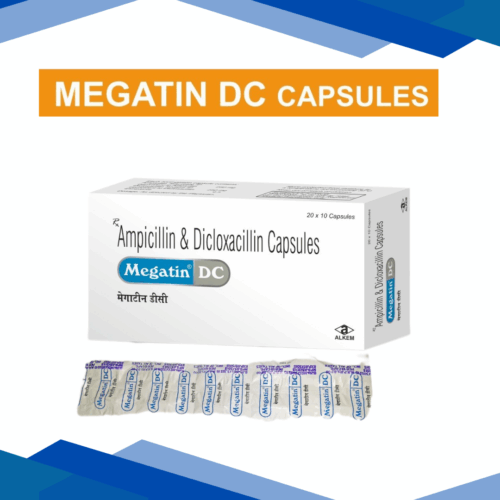
Dicloxacillin Sodium Capsules: Strong Protection from Skin & Bone Infections
Dicloxacillin belongs to the penicillin family of antibiotics and is categorized as a “penicillinase-resistant” penicillin. This means it remains effective even against certain bacteria that have developed resistance to standard penicillins. It is mainly used to treat infections caused by Staphylococci bacteria.
Primary Use
Physicians commonly prescribe Dicloxacillin for:
Skin Infections: Such as impetigo, cellulitis, and infected wounds.
Respiratory Infections: Including pneumonia or bronchitis caused by susceptible bacteria.
Bone Infections: Often used to help manage osteomyelitis.
Breast-Related Infections: Frequently prescribed for mastitis in nursing mothers.
How to Take
Dicloxacillin should be taken carefully while following these guidelines:
Empty Stomach: Take the capsule on an empty stomach for better absorption.
Timing: Take it at least 1 hour before meals or 2 hours after eating.
Hydration: Swallow the capsule whole with a full glass of water.
No Skipping: The medicine works best when taken at regular intervals throughout the day.
Critical Safety Information
Suggested Guidelines and Precautions
Allergy Alert: Do not take this medication if you have ever had a severe allergic reaction (such as hives or wheezing) to Penicillin or Cephalosporin antibiotics.
Contraception: This medicine may reduce the effectiveness of oral contraceptive pills. Consult your doctor about additional contraceptive methods if needed.
Full Course: Always complete the entire course of antibiotics, even if symptoms improve. Stopping early can lead to antibiotic resistance.
Kidney/Liver: Inform your doctor if you have kidney or liver disease, as dose adjustments may be required.
Side Effects to Be Aware Of
Most side effects are mild, but some individuals may experience:
GI Tract: Nausea, vomiting, or diarrhea.
Mouth: Temporary hairy or black tongue or mouth sores.
Allergic Reactions: Skin rash or itching.
Emergencies: Contact a doctor immediately if you experience high fever, severe stomach cramps, or bloody stools, which may indicate a serious intestinal condition called C. difficile infection.
Frequently Asked Questions
1. Can I take Dicloxacillin with milk or food?
No. Absorption is reduced when taken with food or dairy products. It should be taken on an empty stomach (1 hour before or 2 hours after meals) for the best effectiveness.
2. How long does it take to get rid of the infection?
Many patients begin to feel better within 48–72 hours, but the bacteria may not be completely eliminated yet. Always finish the full course prescribed by your doctor.
3. Can Dicloxacillin be taken during pregnancy?
Dicloxacillin is generally considered safe during pregnancy (Category B), but it should only be used under medical supervision.
4. What if I miss a dose?
Take the missed dose as soon as you remember. If it is close to your next scheduled dose, skip the missed one. Do not double the dose.
5. Does it interact with other medications?
Yes. Dicloxacillin may interact with medications such as warfarin, methotrexate, and certain gout medicines like probenecid. Always inform your doctor or pharmacist about all medicines and supplements you are taking.