

Showing 1–20 of 32 resultsSorted by popularity
Filter
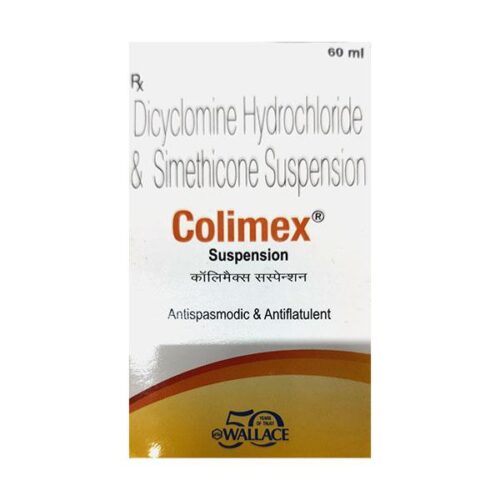
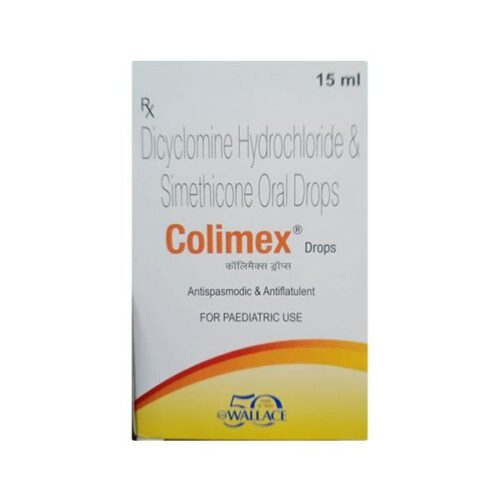
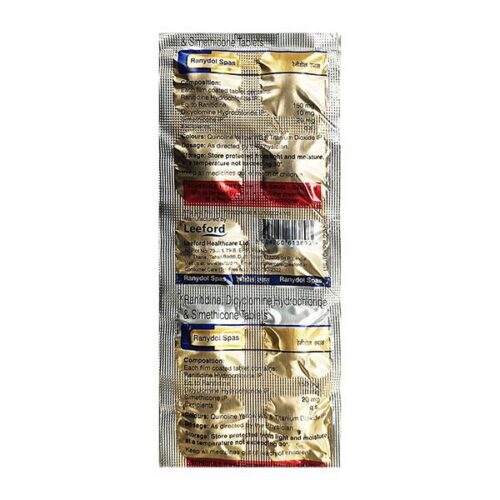

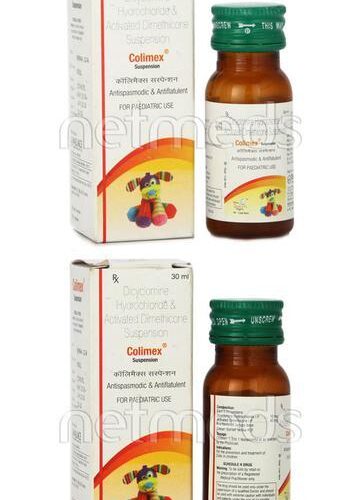
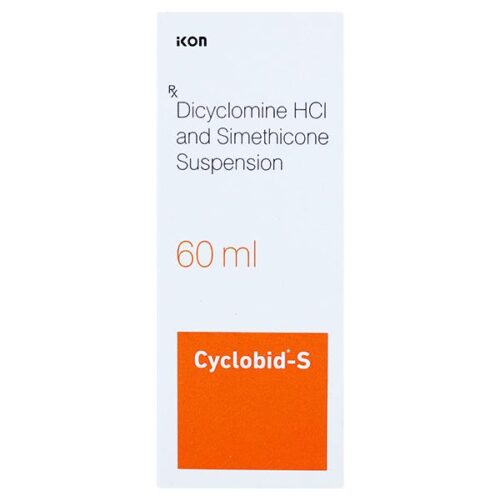

CYCLOPAM FAST RELIEF Drops 10ml
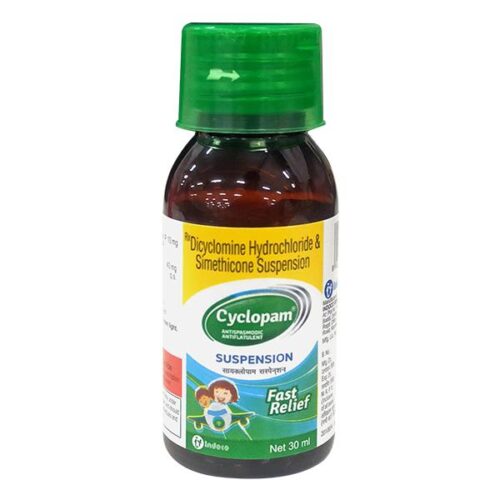
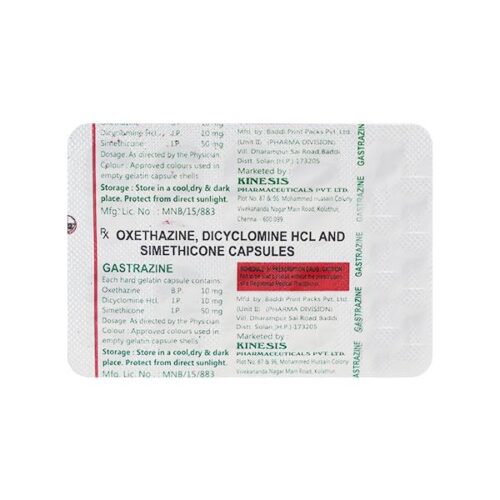
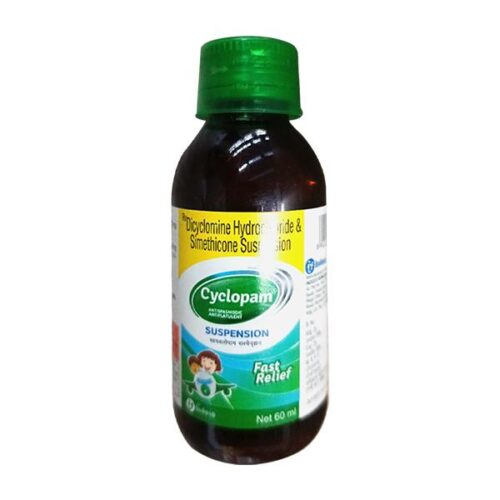

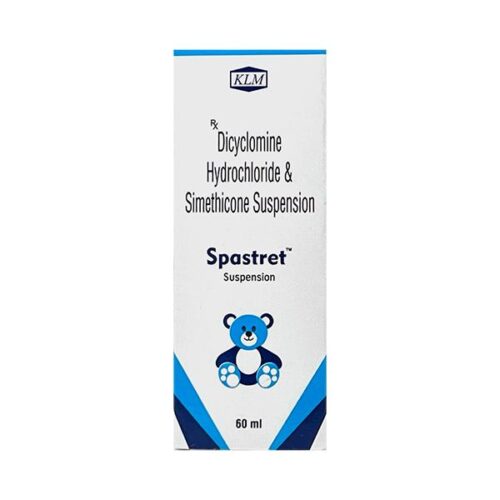


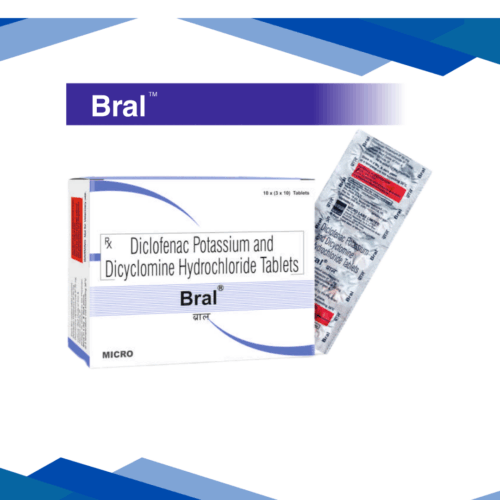
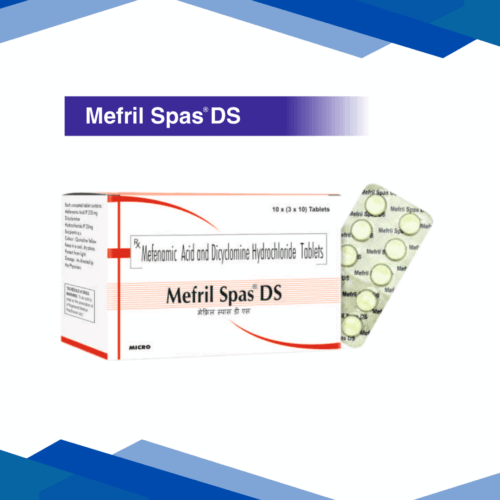
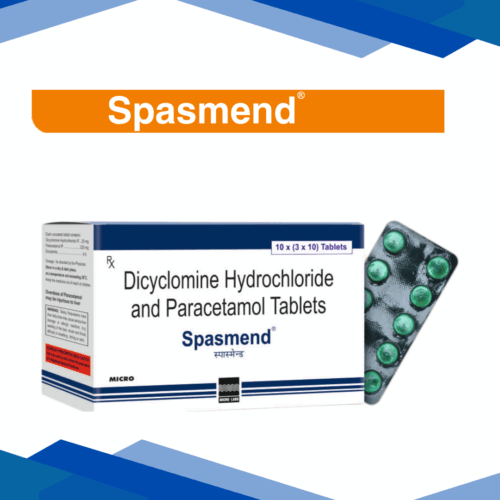
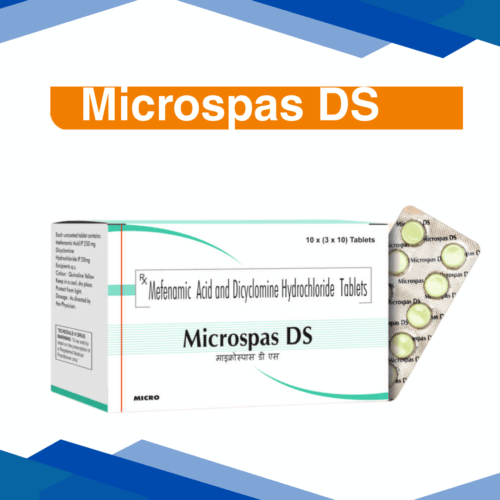
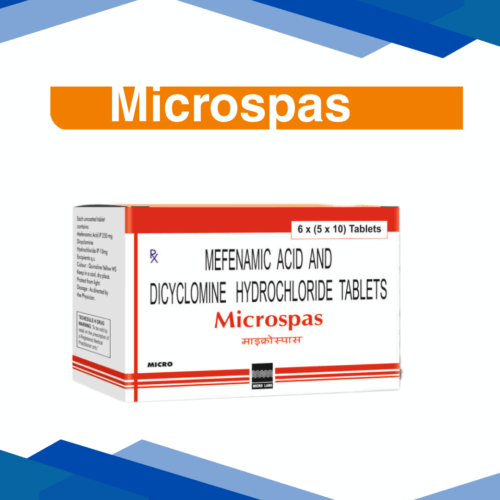
Dicyclomine (Dicycloverine): Easing Cramps and Spasms of the Stomach
Dicyclomine is a special type of medicine known as an antispasmodic (anticholinergic). It is most often prescribed to relieve functional bowel disorders, particularly Irritable Bowel Syndrome (IBS). In simple terms, it helps the smooth muscles of the stomach and intestines relax, stopping the painful muscle spasms that cause abdominal discomfort.
The Mechanism of Action for Dicyclomine
The medicine works by blocking the action of a naturally occurring chemical called acetylcholine in the body. By doing so, it reduces involuntary spasms or sharp contractions of the muscles inside the digestive tract. This allows the stomach and intestines to function more normally, relieving the cramping or gripping sensation in the abdomen.
Indications
Irritable Bowel Syndrome (IBS): Helps relieve flare-ups of abdominal cramps and irregular bowel movements.
Intestinal Colic: Used to reduce sharp and sudden abdominal pain caused by muscle spasms.
Gastrointestinal Hypermotility: Helps calm an overactive digestive tract, reducing urgency and discomfort.
Quick Guides: Health & Usage
Factor
Advice & Precautions
When to Take: Should be taken 30–60 minutes before meals for maximum effectiveness.
Hydration: The medication may reduce sweating, so avoid overheating or heatstroke, especially in hot weather.
Driving: May cause blurred vision or dizziness. Avoid driving or operating machinery until you know how the medication affects you.
Glaucoma: Contraindicated. Patients with narrow-angle glaucoma should not take Dicyclomine.
Self-Care for Managing Side Effects
Most side effects are mild and related to the medication’s drying effects.
Dry Mouth: Sucking sugar-free candy or ice chips may help relieve dryness.
Blurred Vision: Usually temporary and often improves as the body adjusts.
Dizziness/Drowsiness: Be cautious and avoid sudden posture changes.
Nausea/Constipation: Increasing dietary fiber intake may help reduce symptoms.
Precaution: Stop the medication and contact your physician immediately if you experience rapid heart rate, confusion, or difficulty urinating.
Frequently Asked Questions (FAQs)
1. Does Dicyclomine act as a pain reliever?
No. It is not a general painkiller like acetaminophen or ibuprofen. Instead, it specifically targets muscle spasms in the gut, which are often the source of abdominal pain.
2. How quickly does Dicyclomine begin to work?
Many people notice relief within 1–2 hours after taking the medication. For long-term IBS management, it is usually taken on a regular schedule rather than only when symptoms occur.
3. Can I take Dicyclomine with antacids?
It is generally recommended not to take antacids at the same time, as they may interfere with Dicyclomine absorption. Take them at least one hour apart.
4. Can I drink alcohol while on this medication?
It is best to limit or avoid alcohol. Both alcohol and Dicyclomine can cause drowsiness and dizziness, and taking them together may increase these effects and impair coordination.
5. Is it useful for treating diarrhea?
Although it is not primarily an antidiarrheal medication, it may help slow excessive bowel movement activity in IBS-related diarrhea, which can reduce stool frequency.