
Showing all 2 resultsSorted by popularity
Filter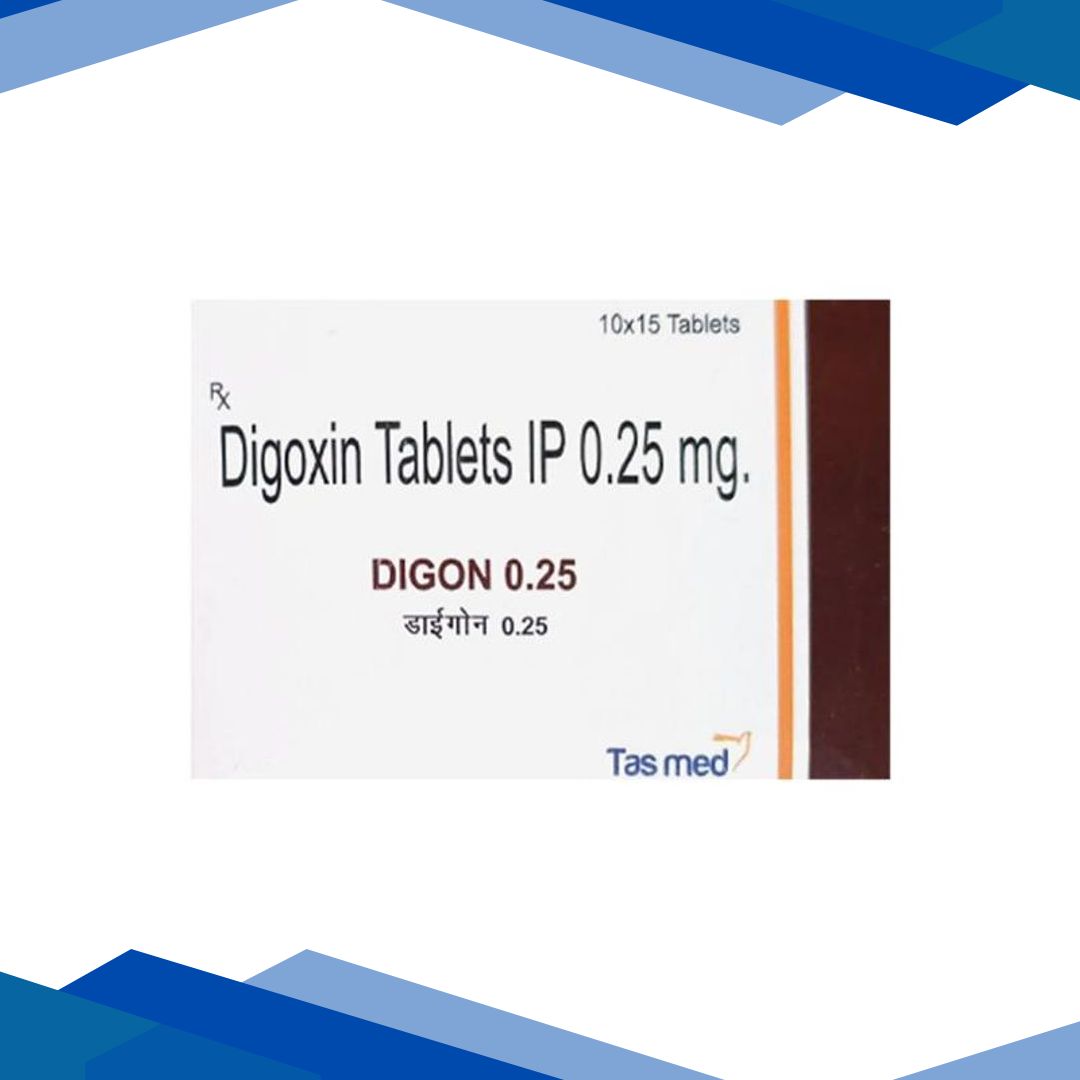
Digoxin is recognized as one of the enzymes used as an agent for the cure of the congestive heart failure (CHF) and some types of irregular heartbeats. It is the isolate of the foxglove plant, employed in managing cardiac affairs for decades and acquiring salient control over the rhythm and the potentness of the heart itself.
How Digoxin Works?
Digoxin regulates cardiac function directly by inhibiting the sodium-tolerate pump at the heart muscle cells, leading to intracellular calcium increases. This process serves two main purposes:
Increased Contractility (Positive Inotropy): Pumping to the blood by the heart is stronger and more efficient.
Heart Rate Regulation (Negative Chronotropy): Slowing of the electrical impulses through the heart that leads to the control of fast or irregular heart rates.
Common Brand Names
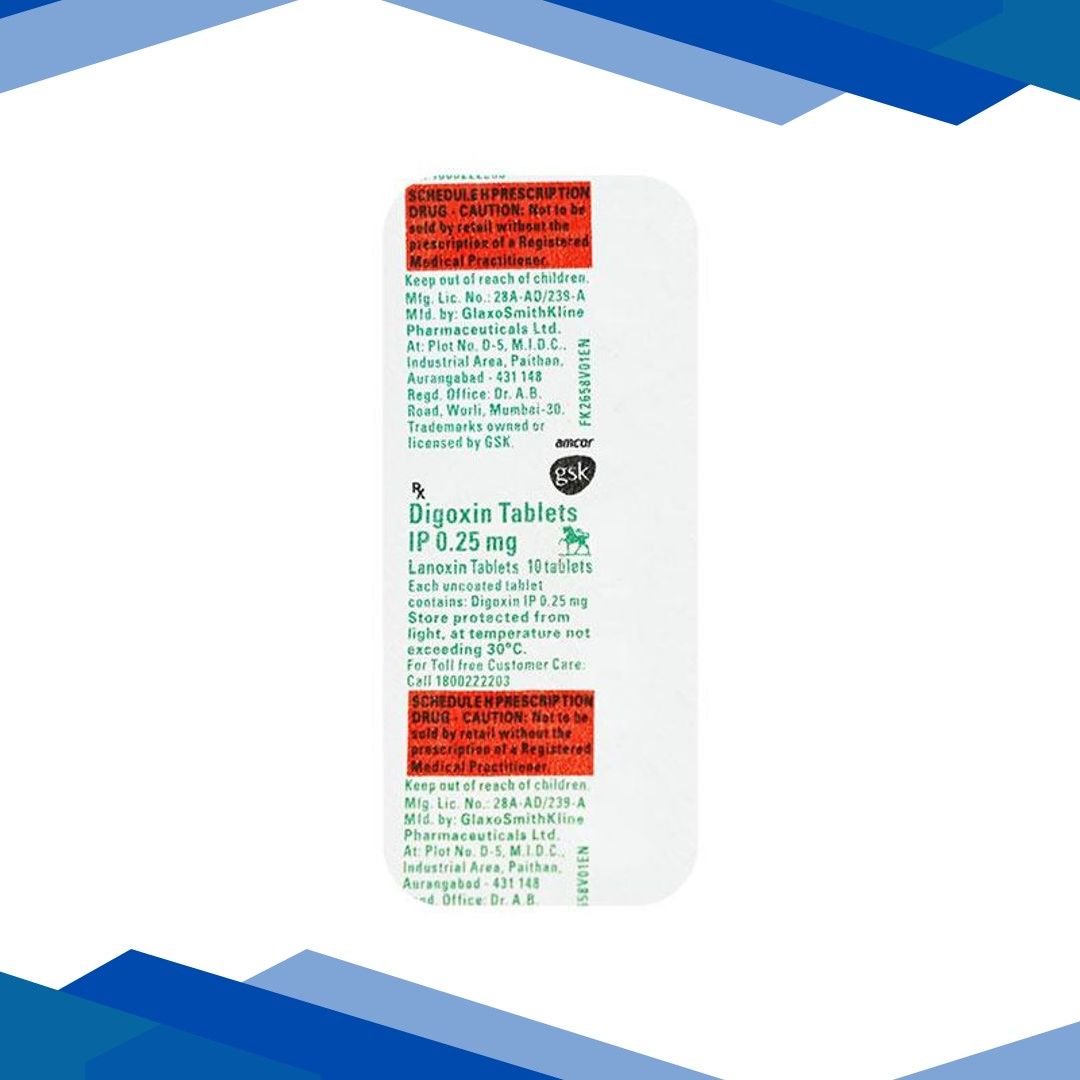
Lanoxin (Trademark)
Digoxin (Generic)
Key Benefits And Indications
Heart Failure Management:
Its use resolves symptoms of shortness of breath and swelling at the ankles and feet.
Atrial Fibrillation Control:
It slows the pulse whenever the heart starts to beat too fast during AFib episodes.
Enhanced Exercise Tolerance:
Upon improving heart efficiency, patients are usually able to do more with less fatigue.
Important Usage and Safety Information
Correct Use
As for the time of day, make sure that Digoxin is taken at exactly the same time to maintain even levels in the bloodstream.
Fiber Bound
This medicine is not compatible with hyper-fiber-containing foods (for example bran), because they may disturb the absorption of medicine.
Pulse-Measuring:
It is mandatory to check your pulse before administering your dose. A 60 or less beats per minute heart rate ought to be discussed with your healthcare provider before proceeding.
Monitoring for Toxicity
Digoxin demonstrates a “narrow therapeutic index” (NTI), implying that the difference between effective and toxic doses is very small. Contact your physician immediately if:
Visual Changes:
You have noted hue changes while seeing objects. You may also have double vision.
Gastrointestinal Distress:
You may have any of some severe nausea, vomiting, or no eating.
Neurological Symptoms:
You may show atypical signs of confusion, dizziness, or profound weakness.
Words to the Wise from Our Pharmacist
Do Not Miss Tests
Monitoring Digoxin definitely mandates all-sorts of kidney and electrolyte blood tests, potassium being one to watch out for.
Maintenance of Hydration:
Alongside increasing the possibility of side effects should be their high buildup in the system due to dehydration.
Consistency:
If you rotate through several brands or from tablets to solution, do let your healthcare provider know. Perhaps absorption might vary between brands.
Frequently Asked Questions (FAQs)
1. How long does it take for Digoxin to work?
While some effects manifest in a few hours, the whole effect takes 1–2 weeks with consistent, regular doses. Do not stop using it simply because you do not feel anything different at the time.
2. Can Digoxin be taken with all other heart medications?
Specific interactions affect Digoxin such as designated antihypertensive drugs and diuretics; it might also interact with some antibiotics. Always ensure to provide a full list of all your medications and supplements to your health caregiver.
3. What should someone do in the event of missing a dose?
Have the pill within 12 hours. If 12 hours have surpassed the dose, wait for the following scheduled dose and forget about the long-lost dosage. You should never take double the dosage so soon.
4. Why do Potassium levels matter when using Digoxin?
Low Potassium levels (hypokalemia) will make you become highly susceptible to an overload of Digoxin, leading to an increased likelihood of toxicity. Your electrolytes will likely be closely monitored by your physician.
5. Is it safe to take in pregnancy?
Digoxin is generally used in pregnancy only when its benefits outnumber its risks and is even used to treat the heart issues of the unborn child. However, the patient must inform your cardiologist if she is pregnant or planning for it.
QSR
Factor Advice
Storage Store at room temperature between 20° to 25°C away from moisture.
Alcohol Discuss-the alcohol can cause increased dizziness and confusion.
Emergency Help should be sought should fainting, palpitations, or visual halos become a problem.