

Showing all 9 resultsSorted by popularity
Filter
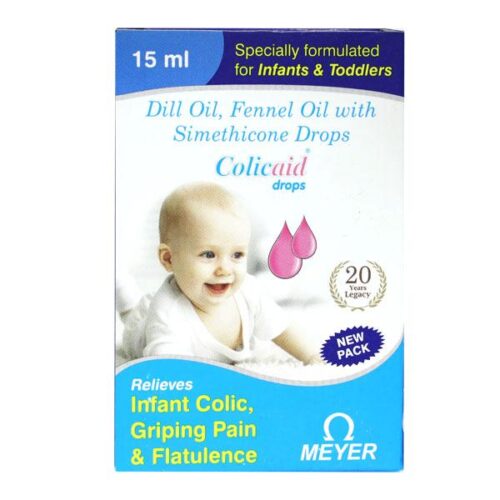
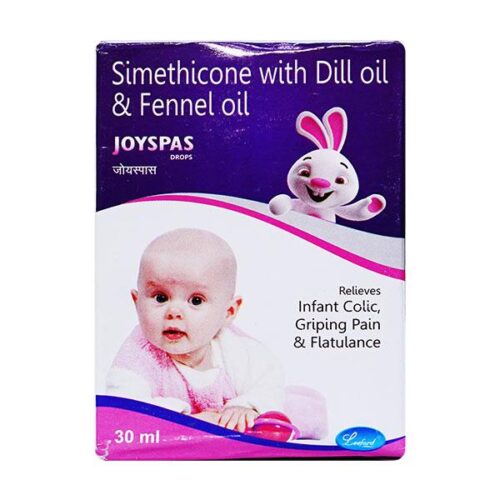
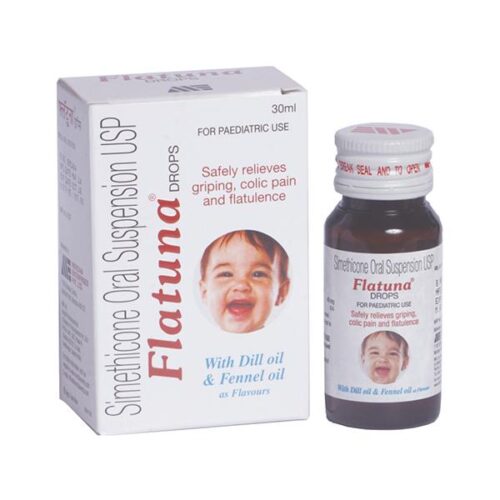
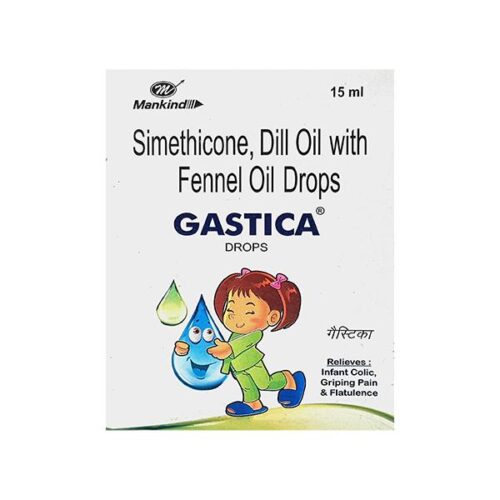
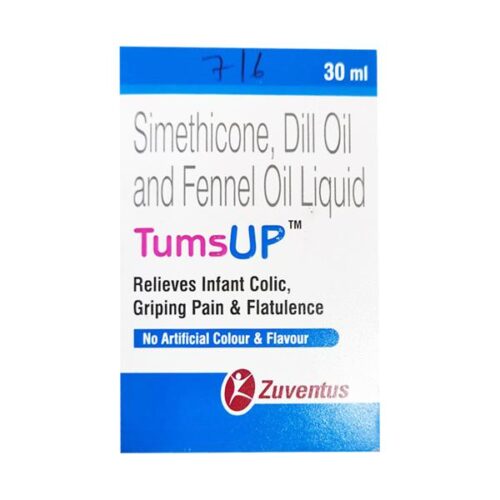
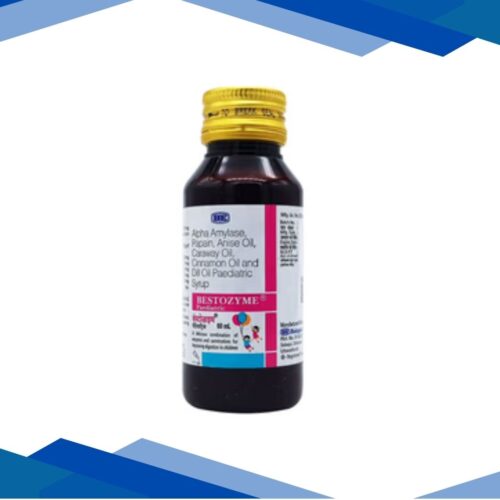
Bestozyme Paediatric Syrup 60ml
Product Overview
Furthermore, Egyptian medicine tapped the healing value of Dill Oil for thousands of years. As an integral part of many ancient gripe water formulations, it is famous for its carminative action. It functions as a gas dispersant, enabling the bubbles of gas to pass out of the belly, offering instant comfort from flatulence and bloating. Besides digestion, its soothing antispasmodic effect is so effective in relaxing an infant when experiencing colic while improving overall gastrointestinal health.
Benefits and Medicinal Uses
Soothing Relief from Infant Colic: Freeing the baby from muscle spasms and gas build-up causing their distress and crying.
Natural Carminative: Eases gas expulsion, ending bloating and indigestion after meals.
Stomachic: Promotes the secretion of digestive enzymes, easing food digestion.
Antispasmodic: Consoling the smooth muscles of the digestive tract by relieving stomach cramps.
Antimicrobial: Dill has always been used as a potentiator to the prevention of certain intestinal pathogens.
Uses from an Expert
For Babies (Dill Water Style): Never apply pure Dill Oil directly. Always use the recommended dilution for your baby from a pharmacist-recommended product.
For Adults: 1–2 drops of oil may be mixed with 1 tablespoon of a carrier oil (coconut or almond oil) and be massaged gently onto the abdomen in a clockwise direction.
Inhalation: 1–2 drops in a burner help to soothe the mind; this indirectly helps in reducing stress-related indigestion.
Safety & Cautions
Advisory / Recommendation
Usage: Do not take internally. Always consult a professional medical practitioner.
Skin Sensitivity: Be sure to test for your own sensitivity; photosensitive reactions are possible under some circumstances, but these are usually quite mild.
Pregnancy, Breastfeeding: Consult your medical practitioner, taking care to avoid long-term use or very high levels.
Storage: Keep in the dark and cool. Essential oils will degrade quickly once exposed to too much sunlight.
Frequently Asked Questions (FAQs)
1. Is Dill Oil safe for newborns?
Although Dill Oil has been a remedy for colic cases, it is not a good idea to give your newborn an essential oil. Only use pure products labeled for pediatrics (aka approved gripe waters), and consult your pediatrician for guidance on how much to give and for how long.
2. How does Dill Oil “dispel” gas exactly?
The method might be described as carminative; it decreases the surface tension of gas bubbles in the stomach, allowing some smaller bubbles to coalesce into, and thus merge with, a larger bubble that can be more easily expelled by the mouth or anus and so forth.
3. Can I use Dill Oil for skin care?
Yes, it is sometimes used for its antimicrobial properties, but it must be diluted significantly with a carrier oil. Using it “neat” (undiluted) can lead to skin irritation or redness.
4. Does it react with any medical drugs?
No noted significant drug interactions occur when applied topically or used in aroma therapy. Nevertheless, if you are on diabetes medication or lithium, you may need to confer with the healthcare provider as dill theoretically may manipulate blood glucose levels or lithium excretion.
5. What is the difference between Seed Oil and Weed Oil?
Seed Oil has more carvone and becomes a more powerful remedy for digestive issues, while Weed Oil (from the leaves) is milder and is more commonly used for seasoning.