
Showing 1–20 of 24 resultsSorted by popularity
Filter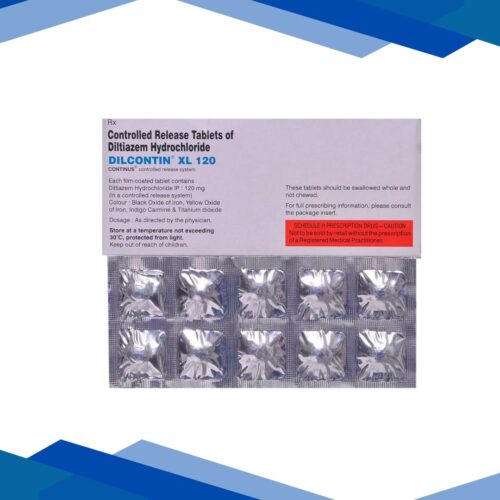
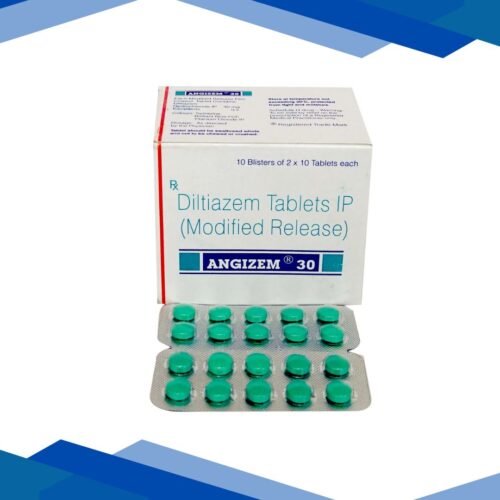
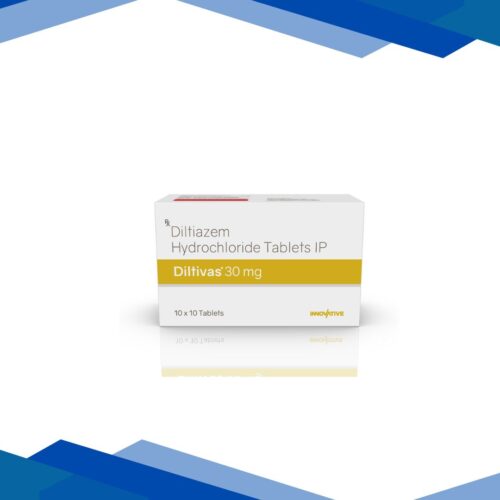
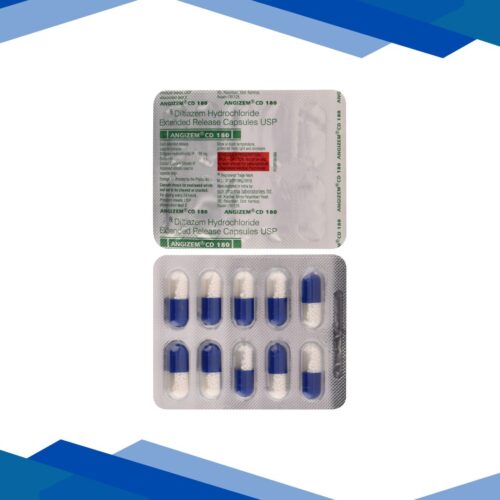
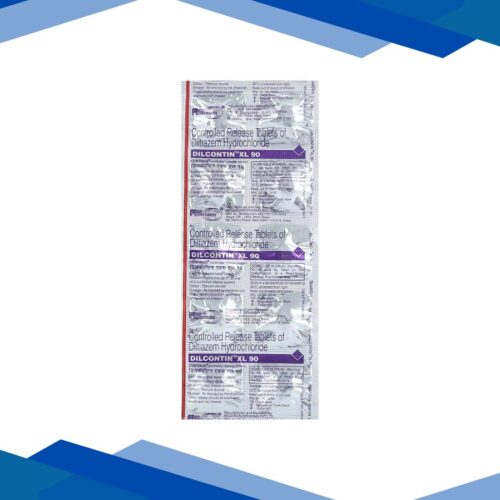
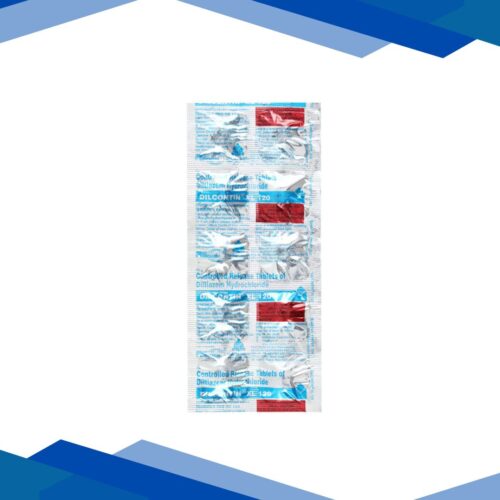
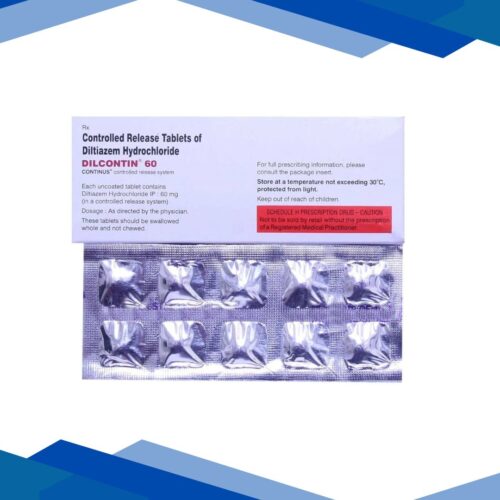
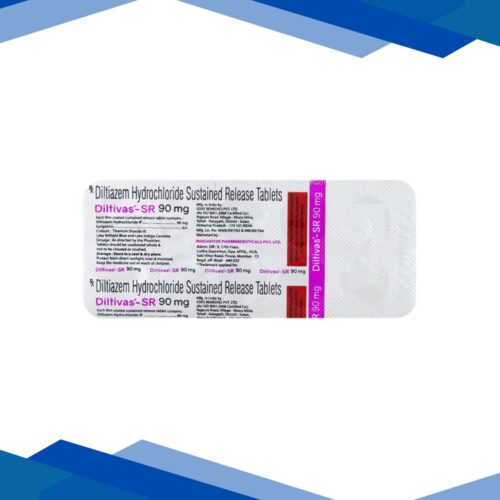
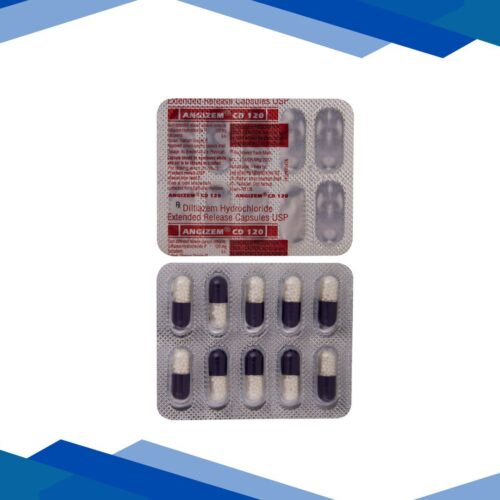
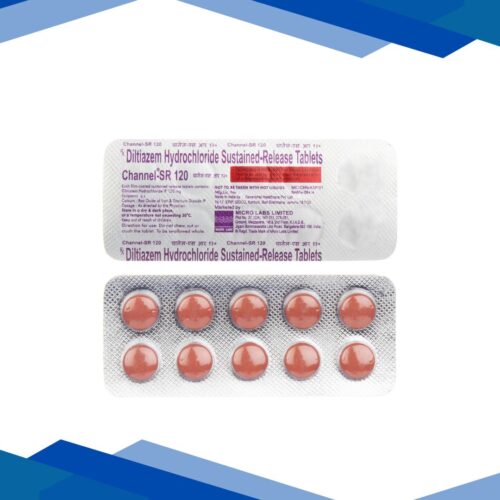
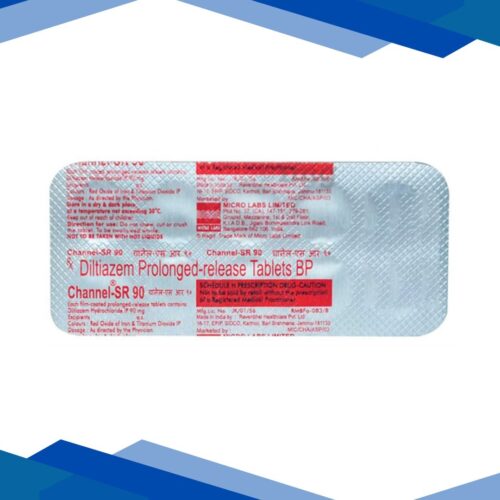
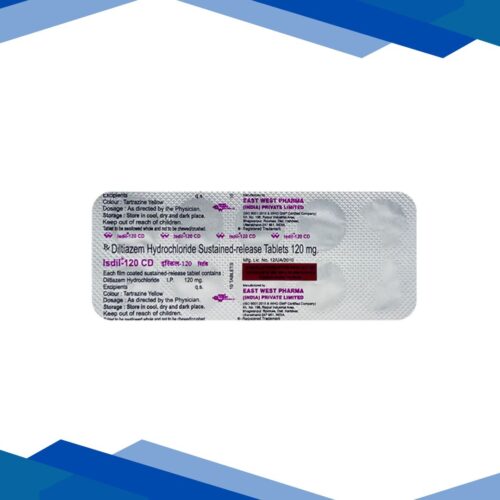
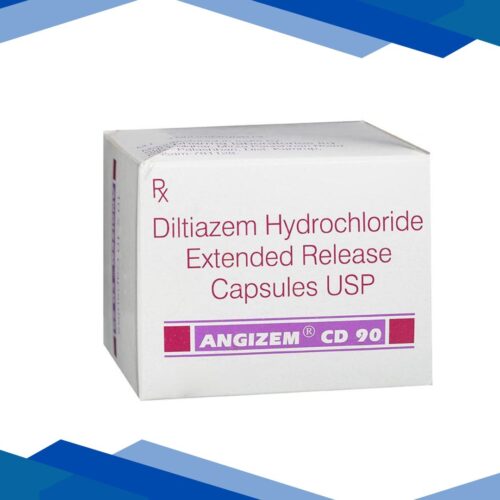
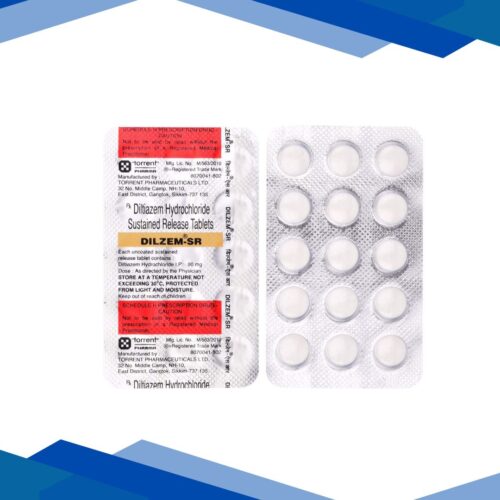
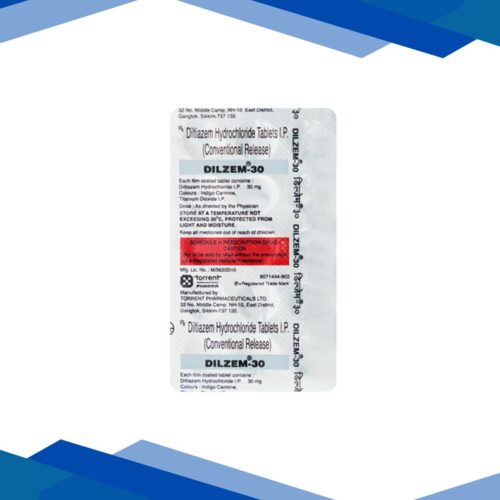
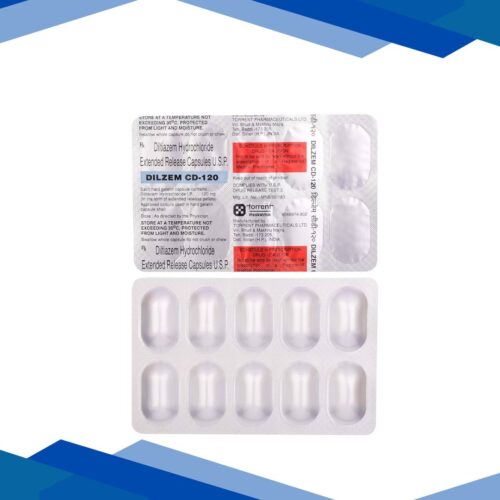
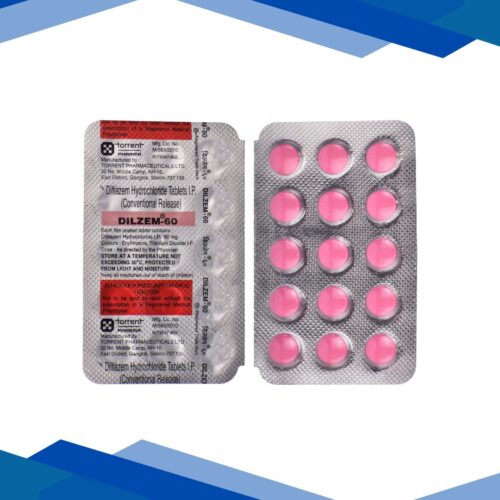
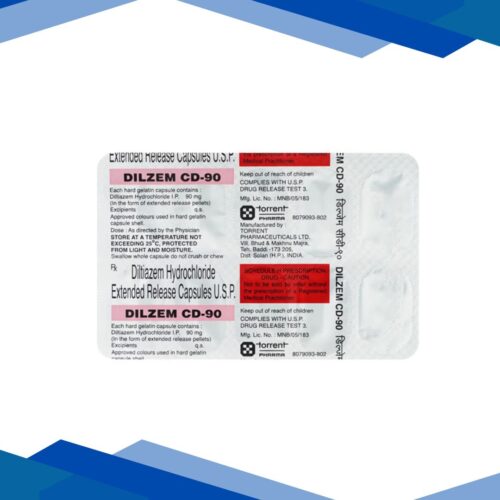
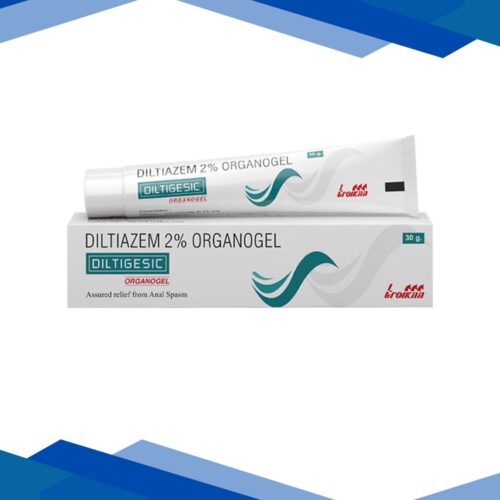
DILTIAZEM
Overview:
Diltiazem is a heart and blood pressure medicine that belongs to the group of drugs called calcium channel blockers. It’s mainly used to treat high blood pressure, chest pain (angina), and certain irregular heart rhythms. The drug works by relaxing blood vessels and slightly slowing the heartbeat, which lowers blood pressure, improves blood flow, and eases the heart’s workload. Many people take it daily to keep their blood pressure steady or to prevent chest discomfort.
Classification: Calcium Channel Blocker (CCB)
Uses:
Diltiazem is used to manage several heart and blood vessel problems. It is commonly given for hypertension to ease the workload of the heart and prevent stroke-related problems . It’s also used for angina (chest pain) because it improves blood flow to the heart and helps prevent attacks.
How it works:
Diltiazem works by blocking calcium from entering the muscle cells of the heart and blood vessels. Calcium is needed for these muscles to contract strongly. By limiting calcium entry, Diltiazem helps the blood vessels relax and widens them, which lowers blood pressure. In the heart, it slows down the electrical signals that control the heartbeat, making it useful for irregular rhythms.
Dosage: As prescribed by your doctor.
Side Effects:
Dizziness
Headache
Flushing
Tiredness
Constipation
Precautions:
Diltiazem should be used carefully in people with heart failure, low blood pressure, or slow heart rhythms, since it can make these problems worse. It also needs caution in those with liver or kidney issues, because the drug is processed through these organs. Doctors usually avoid combining it with certain medicines like beta-blockers or digoxin unless closely monitored, as this can overly slow the heart. Alcohol can increase dizziness or low blood pressure while on Diltiazem, so it’s best to be cautious.
Disclaimer:This content is for informational purposes only. Always consult a healthcare provider for medical advice and proper dosage.