


Showing all 18 resultsSorted by popularity
Filter
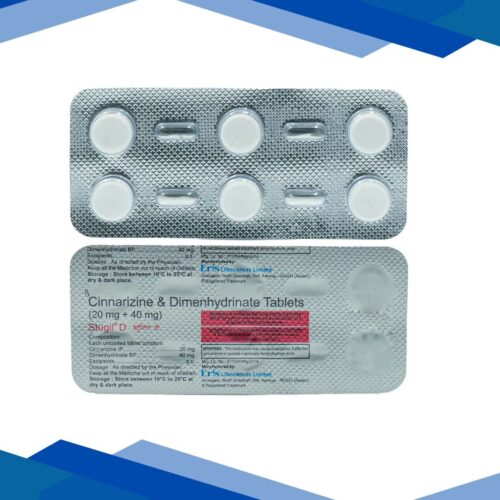
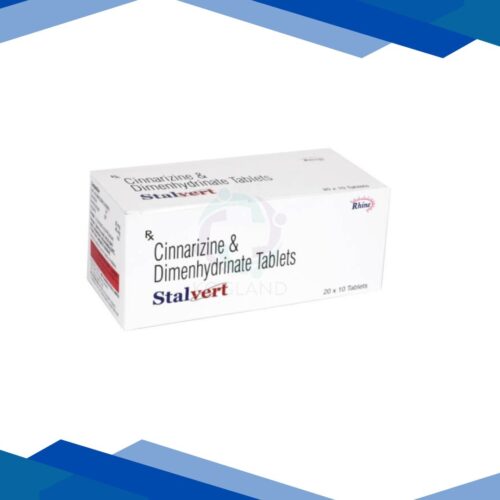

Cimenza 20/40mg Tablet 10’S
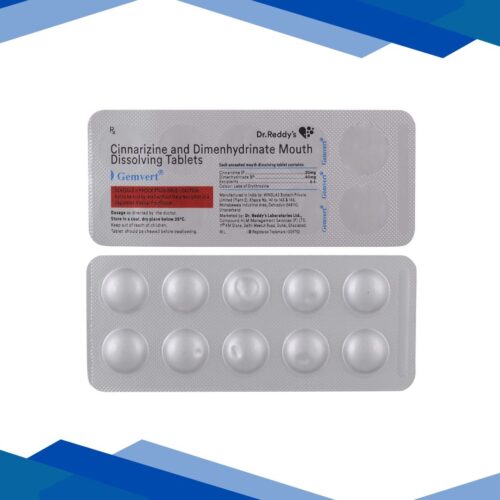
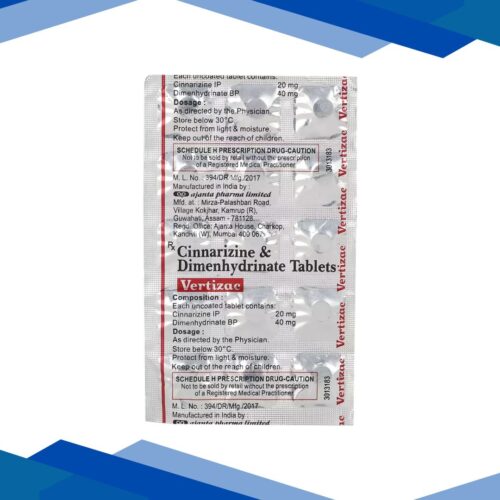
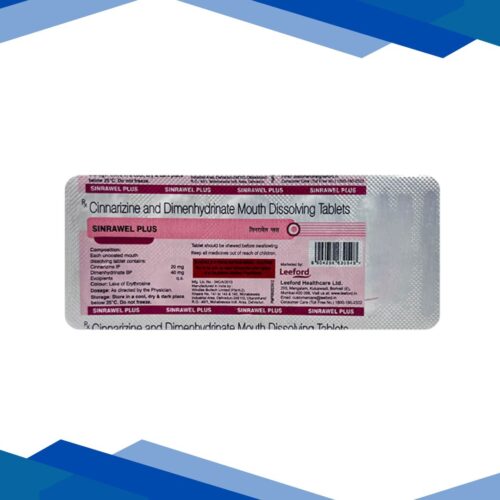
SINRAWEL PLUS MOUTH DISSOLVING Tablet 10’s



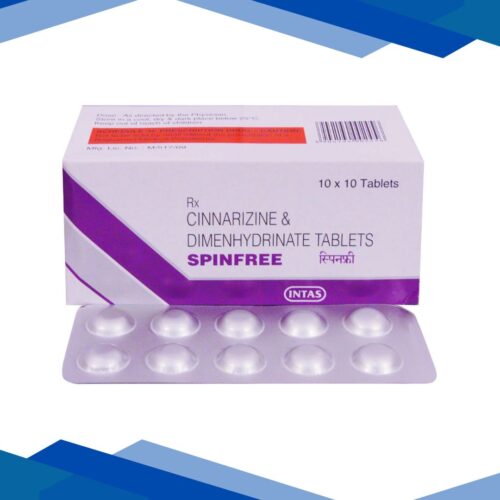
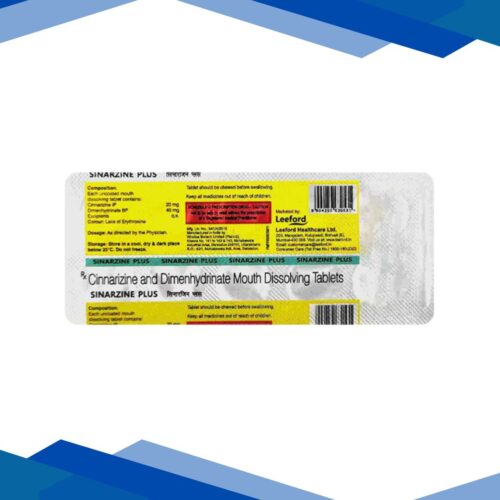
Dimenhydrinate is an effective worldwide antihistamine and antiemetic meant to prevent and mitigate the symptoms of motion sickness, such as nausea, vomiting, and vertigo. It may work by stabilizing “balance” signals in the inner ear. So, Dimenhydrinate works to help keep your “internal compass surviving” all the time whether you are on road, sea, or air.
Uses of This Medicine
Motion Sickness: Prevents and alleviates nausea and vomiting during motion.
Vertigo: It can help in managing dizziness or spinning linked to problems in the inner ear.
Meniere’s Disease: It may reduce symptoms of vestibular disturbances (off-label).
Pain Associated with Post-Operative: It is rarely indicated to reduce nausea postoperatively or post-radiation therapy.
Top Safety Tips
First Dose Timing: Take the first dose 30–60 minutes before starting the journey for peak protection against motion sickness.
Stay Hydrated: As this medication can cause dry mouth, keep water nearby or chew sugarless gum.
Diet Watch: Avoid very heavy or spicy meals before travel to reduce stomach upset.
Dose Limit: Maximum of 400 mg in 24 hours (i.e., 8 tablets of 50 mg) for adults.
Quick Safety References
Alcohol: Unsafe. Alcohol exacerbates drowsiness and dizziness.
Driving: Caution. This could affect vision or slow responses; avoid driving if affected.
Pregnancy: Consult Doctor. Generally avoided unless essential.
Breastfeeding: Consult Doctor. Some may pass into milk.
Children: Use only in or above the age of 2 years per pediatrician instructions.
Common Side Effects
Most side effects are very mild and tend to dissipate upon discontinuation:
Drowsiness: Most common; may help during long flights.
Dryness: Can affect mouth, nose, or throat.
Vision: Temporarily blurred vision or heavy eyelids.
Coordination: Might feel wobbly or unstable.
Frequently Asked Questions (FAQs)
1. Is Dimenhydrinate the same as Diphenhydramine (Benadryl)?
Practically. They are very close cousins. Dimenhydrinate is a compound of Diphenhydramine and a mild stimulant, 8-chlorotheophylline, added to counteract the extreme drowsiness of antihistamines.
2. Can my toddler have Dimenhydrinate for a long car ride?
Generally safe for children 2 years and older with the pediatric formulation (e.g., syrup or 12.5 mg dose). Under-two children should not take it.
3. Will I simply sleep through the whole trip if I take Dimenhydrinate?
Effects vary; some become very sleepy, others may experience paradoxical excitation (hyperactivity, agitation), especially in children. Test ahead of long trips.
4. Can I have it for morning sickness in pregnancy?
Only under healthcare provider guidance. Some clinicians prescribe it for severe nausea, but it should not be taken without consultation.
5. What about Glaucoma or Prostate?
Consult your doctor. Dimenhydrinate’s anticholinergic properties can increase eye pressure or affect urination, potentially worsening these conditions.