





Showing all 15 resultsSorted by popularity
Filter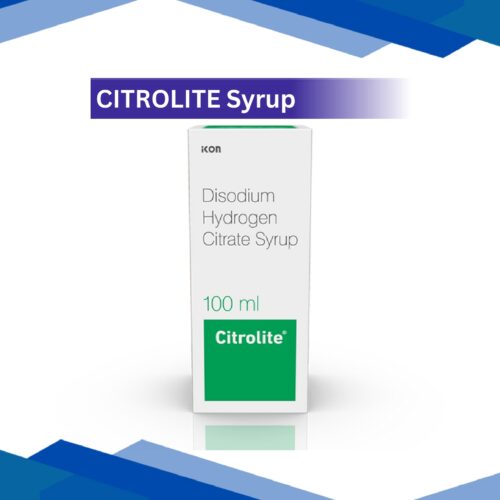





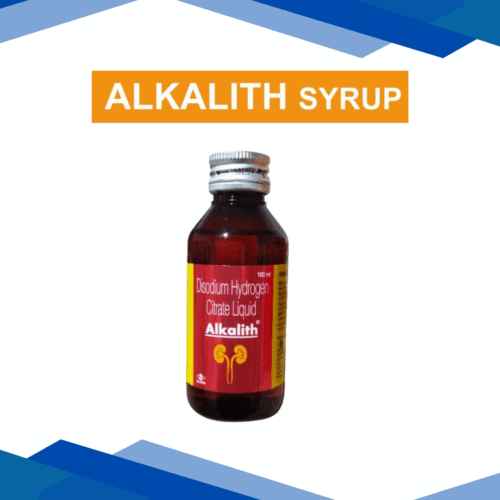
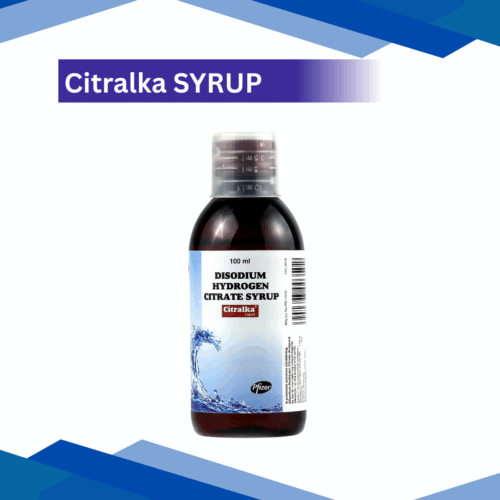
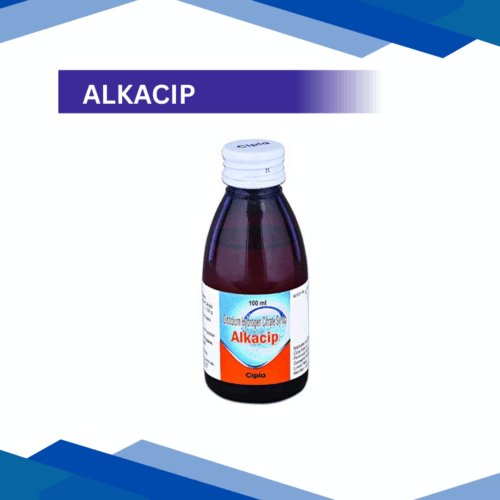

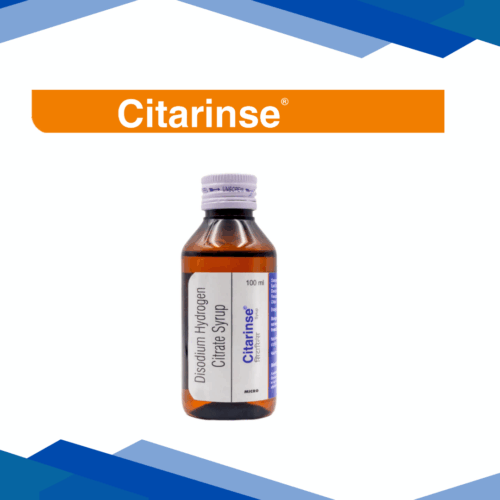

Disodium Hydrogen Citrate: Rid of Kidney Pain, Urine Comfort
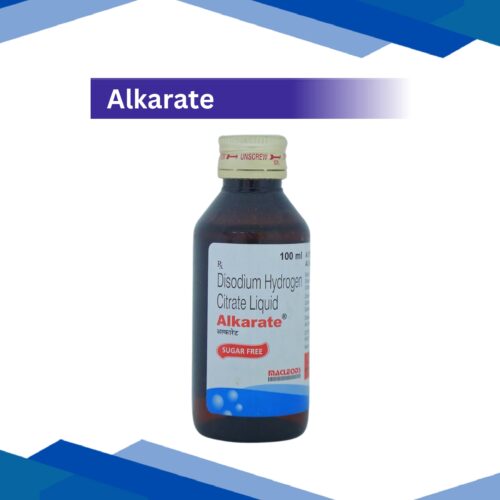
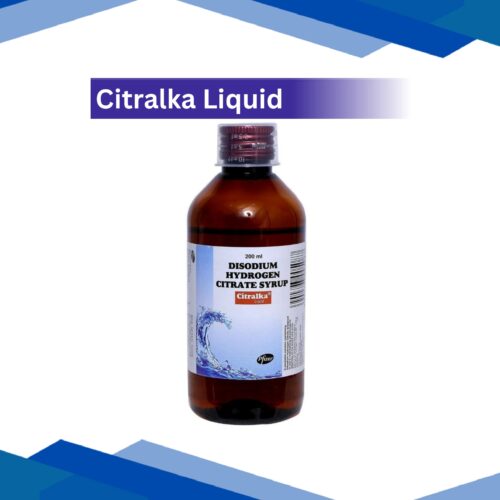
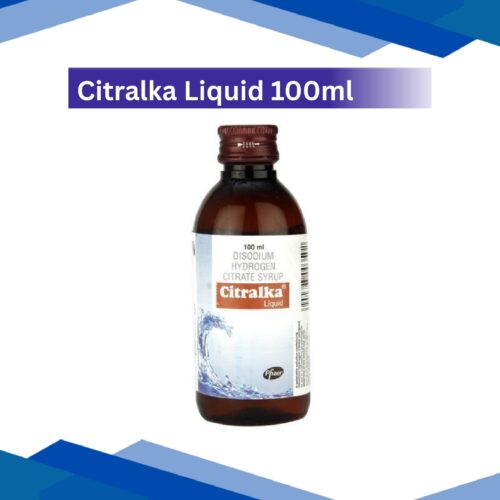
Disodium Hydrogen Citrate is a popular urinary alkalizer used to manage conditions where urine becomes too acidic. It is commonly prescribed for kidney stones, gout, urinary tract infections (UTIs), and burning urination. The medicine is often available in liquid syrup form (such as Citralka or Alkasol) as well as tablets.
How It Works
When consumed, Disodium Hydrogen Citrate is converted in the body into bicarbonate ions. These ions reach the kidneys and are excreted through the urine, increasing the urine pH and making it more alkaline, which helps reduce acidity.
Gout Management: Helps manage hyperuricemia, a major cause of joint pain in gout.
Kidney Stone Prevention: Helps dissolve certain types of stones and may prevent recurrence.
UTI Symptom Relief: Provides quick relief from burning sensation during urination.
Acidosis Control: Helps maintain acid–base balance in the body.
Dosage, Safety Instructions & Precautions
Focus | What One Has To Know
Dosage: Mix one dose in a full glass of water or juice. It should never be taken undiluted.
Advice: Taking the medication after meals may reduce stomach upset or gas.
Alcohol: It is best to avoid alcohol, as it may increase dehydration and worsen urinary discomfort.
Heart/Kidney Conditions: Patients with heart failure, hypertension, or those on a low-sodium diet should use it with caution due to its sodium content.
Common Possible Side Effects
Some people may experience mild side effects, such as:
Digestive: Nausea, vomiting, mild diarrhea, stomach fullness, or cramps.
Urination: Increased frequency of urination due to higher fluid intake.
General: Mild tiredness or lethargy in some individuals.
Key Patient Tip: If you experience swelling in the feet or ankles, consult a doctor immediately, as this may indicate sodium retention.
Frequently Asked Questions (FAQs)
1. Should Disodium Hydrogen Citrate be taken on an empty stomach?
No. Taking it on an empty stomach is discouraged, as it may cause nausea or stomach cramps. It is best taken after meals with a full glass of water to protect the stomach lining and improve comfort.
2. How quickly does it relieve the burning sensation during urination?
Many patients experience relief within minutes to about an hour after the first dose. However, improvement in kidney stones or gout may require several days of regular use.
3. Why is drinking plenty of water recommended while taking this medicine?
Drinking water helps flush the medication through the urinary tract, reduces irritation from concentrated salts, and helps prevent new kidney stone formation.
4. Can it be used if I am on a low-sodium diet?
Use with caution, as the medication contains sodium. Individuals with high blood pressure or salt-restricted diets should consult their doctor before starting treatment.
5. Can it be taken during pregnancy?
There is limited data regarding its safety during pregnancy. Therefore, it should only be used if prescribed by a doctor, who will evaluate the benefits versus potential risks.
