

Showing all 6 resultsSorted by popularity
Filter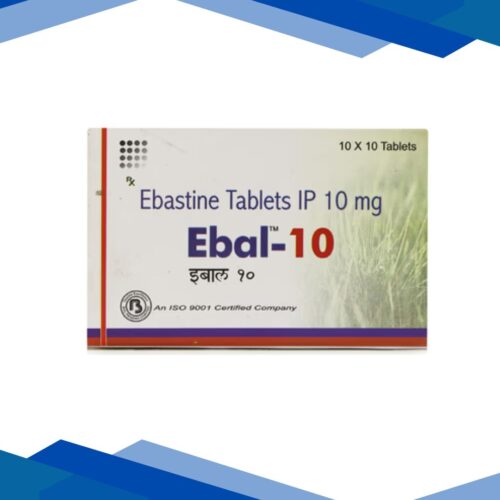
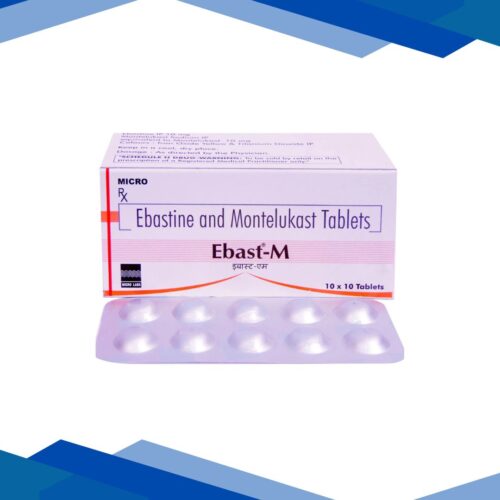
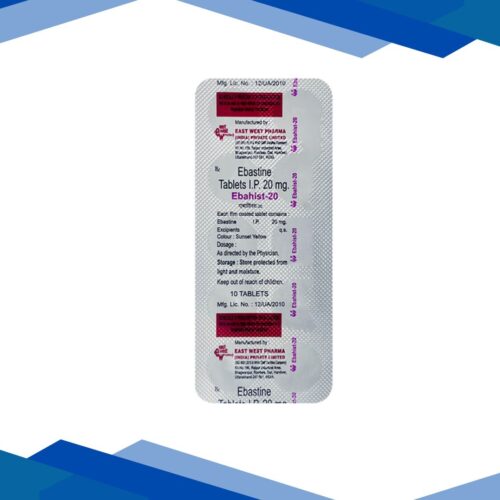
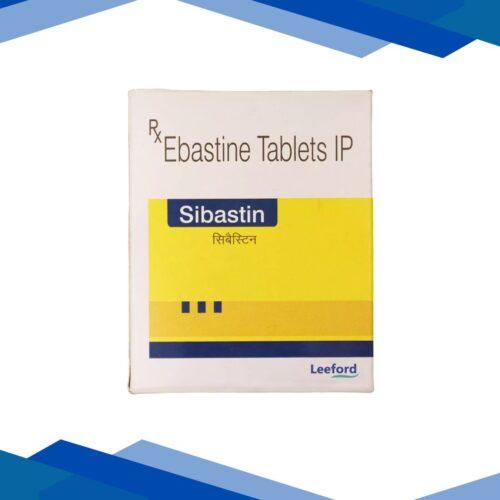
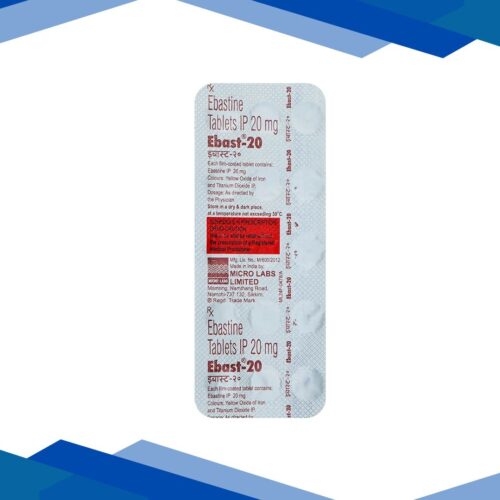
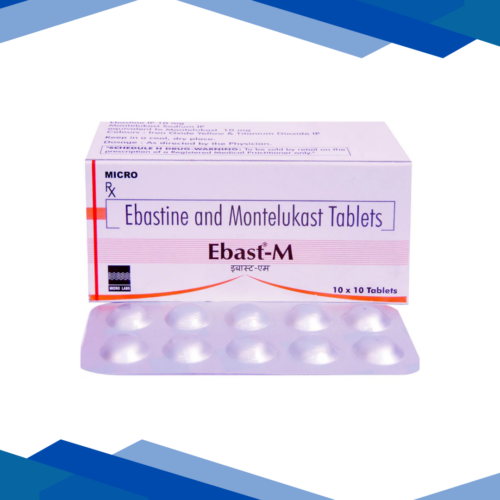
Ebastine Tablets: Advanced Relief for Enduring Allergies
Ebastine offers one of the most potent and durable options among newer-generation antihistamines to combat a wide range of allergic reactions. A highly selective antihistamine, Ebastine does not cross into the central nervous system, providing relief from allergic symptoms without causing drowsiness. It blocks H1 peripheral receptors while sparing brain functions, ensuring effective symptom control without “brain fuzz” or sleepiness.
Main Indications Include
- Relieving Allergic Symptoms: Rapid relief from sneezing, runny nose, and nasal congestion associated with seasonal hay fever, perennial allergic rhinitis, and bronchial asthma.
- Urticaria (Herbex Urtica Produces Symptoms): Treats itchy, red skin reactions caused by food, drugs, or other sensitizations.
- Conjunctivitis Allergica: Reduces redness, watering, and irritation in the eyes.
Ebastine provides up to 24 hours of relief, preventing histamine from binding to and activating cells.
Rapid Use Guide
- How to Use: Typical dosage is 10mg or 20mg daily, depending on severity.
- Consumption: Take with or without food. Swallow the tablet whole with a glass of water.
- Timing: Consistent daily intake ensures protection throughout the next 24 hours.
Ebastine Tablets: Frequently Asked Questions (FAQs)
- Q: Is Ebastine supposed to dull my senses?
A: No, it is a non-sedating antihistamine. Effects on alertness are minimal, but caution is advised when driving or operating machinery. - Q: Can I take Ebastine every day?
A: Yes, as prescribed. It may be used throughout the allergy season or as long as symptoms persist. Consult your doctor for guidance. - Q: Does it interact with alcohol?
A: While Ebastine is not narcotic, alcohol may augment sedation. Avoid alcohol during treatment. - Q: How soon will Ebastine relieve symptoms?
A: Relief often occurs within 1–3 hours of the first dose and lasts for up to 24 hours. - Q: Can I take Ebastine while pregnant?
A: Safety data in pregnancy is limited. Consult your healthcare provider to weigh benefits against potential risks.
Camellia Oil: Nature’s Beauty Superstar with a Wholesome Punch
The “Rose of Winter”, Camellia Oil, is a renowned cold-pressed oil from Camellia oleifera seeds, celebrated in luxury skincare for deep moisture and holistic wellness.
Key Highlights
- Nutrition in the Deep Dermis: Rich in Oleic Acid (Omega-9) and Vitamin E for hydration and repair.
- Healthy Hair: Protects hair shaft, reduces split ends, and restores natural shine.
- Anti-Inflammatory: Soothes eczema or dermatitis-affected skin.
- Non-Greasy “Dry Oil”: Fast absorption, leaving skin soft.
How to Use
- Face: Mix with other oils or apply a few drops after cleansing.
- Hair: Apply on dry ends as a finishing serum or on scalp before shampooing.
- Nails: Massage into cuticles for stronger, healthier nails.
Comparison Between Ebastine and Camellia Oil: Allergy Relief vs. Botanical Care
| Feature | Ebastine | Camellia Oil |
|---|---|---|
| Primary Goal | Symptomatic Allergy Relief | Skin & Hair Health |
| Mechanism | Antihistamine (H1 Blocker) | Botanical Emollient |
| Common Forms | Tablets, Syrup, Suspensions | Pure Oil, Serums |
| Prescription | Required (Schedule H) | Over-the-Counter |