


Showing the single result
Filter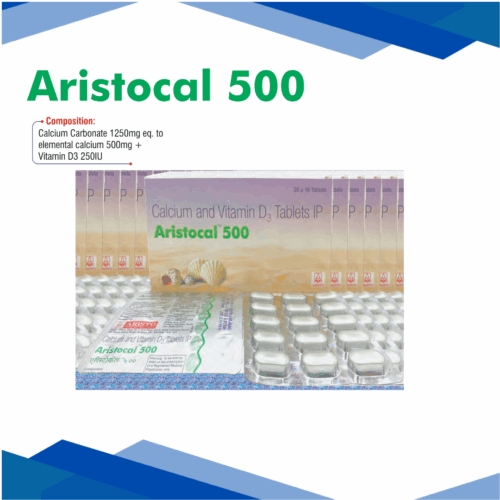
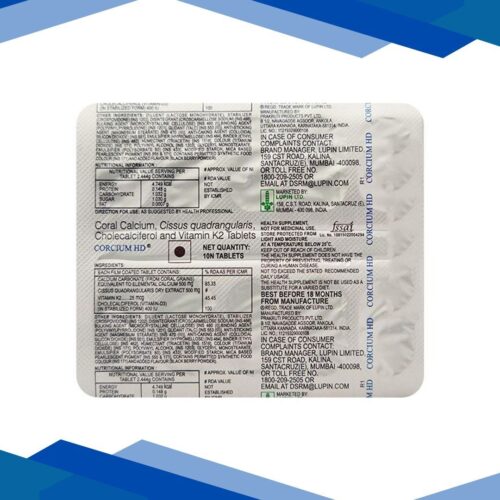
Elemental Calcium: The Basis for the Building Blocks of Stronger Bones
Elemental Calcium truly shines as a mineral supplement. Its purpose is to bridge the gap between insufficient dietary intake and the body’s genuine mineral needs. As a “building block” of the skeletal system, it is indispensable not only for bone structure but also for muscle contraction, nerve signaling, and heart rhythm.
Elemental Calcium is perfect for someone who wants: a wholesome reference for a growing child, to manage postmenopausal bone loss, or to support heart and muscle health. It is a pure mineral that the body can absorb and use efficiently.
It Provides:
- Strengthens Bones and Teeth: Builds a strong skeletal structure with reduced fracture risk.
- Controls Osteoporosis: Regular intake may slow age-related bone loss.
- Supports Muscles: Essential for the “squeeze and release” function to prevent cramps.
- Vital in Pregnancy: Supports fetal skeletal development while preserving maternal bone density.
How It Works
Elemental Calcium raises calcium levels in the bloodstream. At adequate levels, the body does not “borrow” calcium from bones, keeping them strong and dense.
How to Use
- Dosage: Follow your doctor’s instructions. Maximum absorption occurs at around 500 mg at a time.
- Timing: For Calcium Carbonate, take with meals; Calcium Citrate can be taken with or without food.
- Consistency: Take at the same time daily to maintain steady calcium levels.
Side Effects
Though generally well-tolerated, some individuals may experience:
- Mild constipation or bloating
- Stomach upset or gas
- Nausea
Pro Tip: Drink plenty of water and consume fiber-rich foods to minimize constipation.
Questions
1. What is the difference between Calcium and Elemental Calcium?
A: Elemental Calcium refers to the amount of absorbable calcium in a supplement. For example, a 1250 mg calcium carbonate tablet provides about 500 mg of elemental calcium.
2. Can I take calcium at the same time as my multivitamin?
A: Yes, but avoid simultaneous intake with iron or certain antibiotics (e.g., tetracyclines). Allow at least 2 hours between doses.
3. Can calcium form kidney stones?
A: At safe dosages, calcium is not harmful. Excessive intake over time may increase the risk in predisposed individuals. Staying hydrated and consulting your doctor if you have a history of kidney stones is recommended.
4. Does Vitamin D requirement depend on the type of animal?
A: Vitamin D needs depend on calcium requirements, not the species.
